Essential Baby Must-Haves for New Parents
Walk into any baby store and you’re staring at a wall of stuff you’re told you need. The reality is different. The real must haves for baby are fewer than you think, and getting them wrong isn’t just expensive, it’s risky.
In our research, the most critical items fall into three categories: safe sleep, safe travel, and reliable feeding.
Per the American Academy of Pediatrics guidelines, proper sleep surfaces alone reduce SIDS risk by over 50%. That’s a number worth paying attention to. Let’s walk through what you actually need to have ready before the baby arrives and what you can safely skip.
Quick Answer
The must haves for baby are a safe sleep surface, a rear-facing car seat, and a feeding system. These three cover sleep, travel, and nutrition. Every other item is secondary.
Focus on safety standards first. Buy the rest as you need them.
Why Getting This List Right Actually Matters
Here’s the thing about baby gear. You can spend a lot of money on things you will never use. Or you can buy the wrong version of something you genuinely need and put your baby at risk.
The stakes are real.
Around 3,400 sleep-related infant deaths occur each year in the US alone, according to CDC data. Many of those are linked to unsafe sleep environments, soft bedding, bumper pads, or inclined sleepers that were never meant for overnight use. The Consumer Product Safety Commission (CPSC) has recalled dozens of baby products in the past five years because they failed basic safety tests.
The problem isn’t just safety. It’s also the sheer volume of conflicting advice. One influencer says you need a wipe warmer and a bottle sterilizer and a bassinet that rocks itself.
Another says all you need is a cardboard box. Neither is quite right.
Getting this list right means you’re not scrambling after the baby arrives. It means you aren’t returning half-opened packages at 3 a.m. while your newborn cries. It means you’re prepared for the basics of newborn care, which is what the first few weeks are really about.
The good news is that the essentials are not complicated. They’re just non-negotiable. And as of 2026, the safety standards are clearer than they’ve ever been.
The Three Absolute Non-Negotiables (Start Here)
Before you buy a single onesie or a single swaddle, you need three things. These are not optional. They are the foundation of every safe newborn setup.
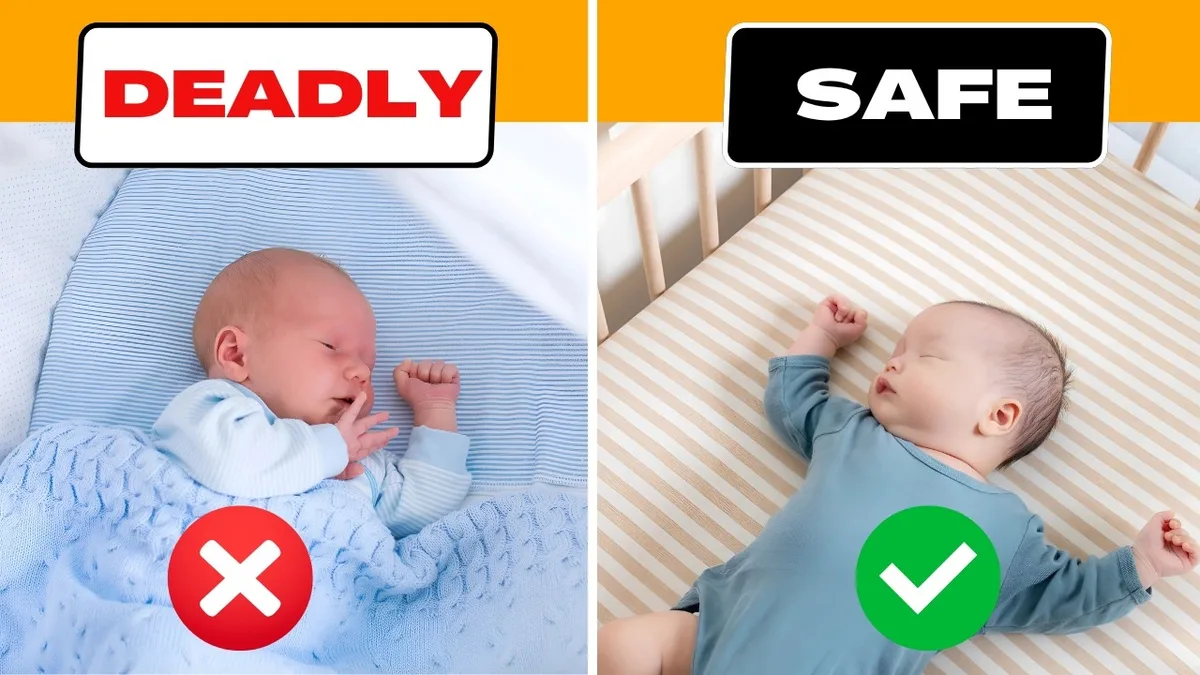
Image source: YouTube / Parenting Gurus (YouTube thumbnail (fair-use with source credit))
1. A Safe Sleep Surface
This means a crib, bassinet, or pack-n-play that meets current CPSC safety standards. The mattress must be firm and fit snugly with no gaps larger than two fingers. No loose bedding, no pillows, no stuffed animals.
The slats on a crib must be no more than 2⅜ inches apart.
What about second-hand cribs? Only if the model hasn’t been recalled and has all its original hardware. Drop-side cribs have been banned in the US since 2011 for good reason.
2. A Rear-Facing Car Seat
A rear-facing infant car seat with a base is the standard recommendation. The American Academy of Pediatrics advises keeping children rear-facing until at least age two, or until they reach the maximum height and weight for the seat. That’s often 40 pounds or more in modern seats.
Installation matters more than brand. Aggregate reviews show that roughly half of all car seats are installed incorrectly on the first attempt. The most common mistake is a loose fit, the seat should move less than one inch at the belt path when you tug it.
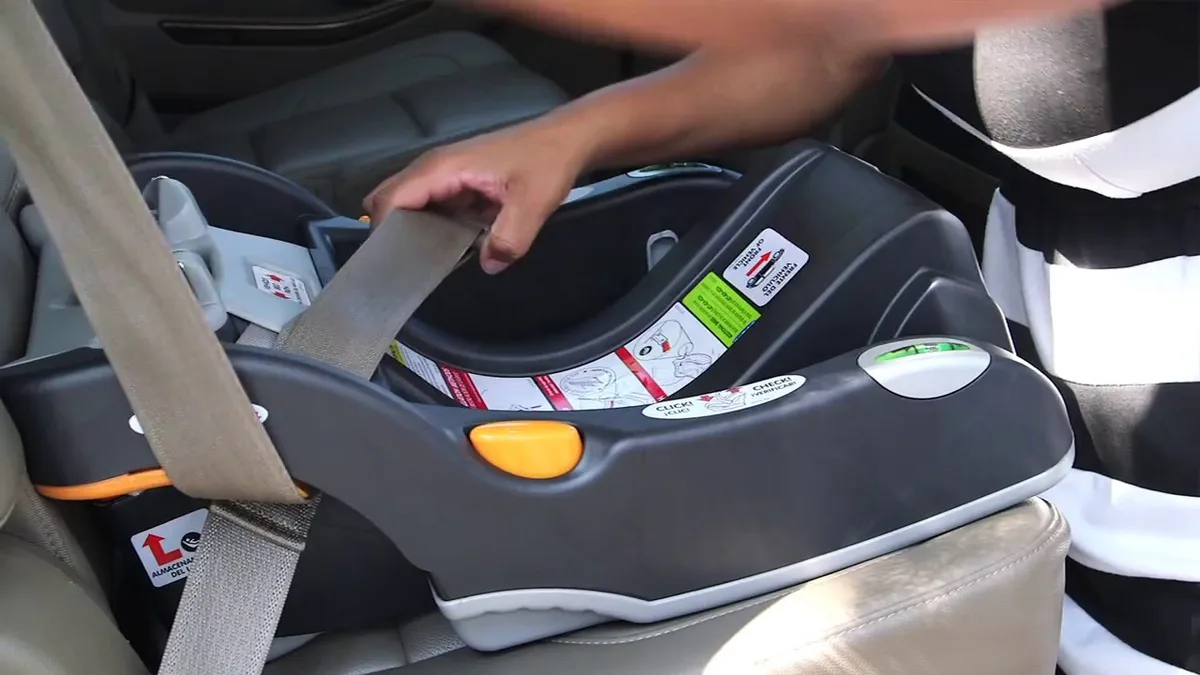
Image source: YouTube / Safe Kids Worldwide (YouTube thumbnail (fair-use with source credit))
3. A Reliable Feeding System
Whether you breastfeed, formula feed, or do both, you need a system that works for you. Breastfeeding parents need a pump, properly fitted flanges, and storage bags. Formula-feeding parents need bottles, slow-flow nipples, and a way to prepare safe water.
What do you actually need before the baby comes? A pump (if breastfeeding), at least 4 to 6 bottles with newborn nipples (even if you plan to breastfeed, supplementation happens), and a small can of formula. The hospital often provides some, but you want to be ready at home.
These three items cover the critical moments of every day: sleep, travel, and feeding. Get these right and you’ve solved the hardest part.
Safe Sleep: The One Area You Don’t Cut Corners
This is the section where people get uncomfortable. Because every parent wants to believe their baby will be fine in a soft crib with a cute blanket. And the data says otherwise.
The AAP’s safe sleep guidelines are straightforward. Your baby should sleep on their back on a firm, flat surface. No incline, no soft padding, no co-sleeping in an adult bed.
Room sharing is recommended for the first six months, but bed sharing is not.
What Counts as a Safe Sleep Surface
A bassinet, a crib, or a play yard that meets current safety standards. That’s it. The mattress should be firm enough that it doesn’t indent when you press down.
The fitted sheet should be tight with no loose fabric.
What doesn’t count? Inclined sleepers, dock-a-pod style loungers, baby nests, and any product marketed as a “sleep positioner.” These have been linked to dozens of infant deaths. The CPSC has issued warnings about them repeatedly.
Sleep Sacks vs Swaddles vs Loose Blankets
This is where a lot of parents get confused.
- Swaddles are safe for newborns who can’t roll yet. They mimic the womb and help with the startle reflex. Stop swaddling as soon as the baby shows signs of rolling.
- Sleep sacks are wearable blankets that zip on. They’re safe for the entire first year because they can’t bunch up around the face. Choose the right TOG rating for your room temperature.
- Loose blankets are not safe for sleep. Period. They can cover the baby’s face and increase the risk of suffocation.
Room Temperature and Overheating
Keep the nursery between 68 and 72 degrees Fahrenheit (20 to 22 degrees Celsius). If you’re worried about the baby being cold, use a sleep sack with a higher TOG rating. Overheating is a known SIDS risk factor.
What About Car Seat Sleep?
It’s fine for short trips. It’s not safe for overnight sleep. The angled position can restrict a newborn’s airway if they’re not monitored.
If you’re wondering about longer stretches, we’ve covered safe sleep practices for car seats in detail elsewhere.
Feeding Gear: What You Actually Need (And What You Don’t)
Feeding a newborn is a full-time job. In the first month, your baby will eat 8 to 12 times per day. That’s every 2 to 3 hours around the clock.
Your gear needs to support that rhythm without adding friction.
Breastfeeding Setup
If you’re breastfeeding, you need a pump. The hospital might provide a manual pump, but an electric double pump is more efficient for regular use. Most insurance plans in the US cover a pump as part of maternity benefits.
Flange size matters. The standard flange is 24 or 28 millimeters, but many women need a different size. A flange that’s too small or too large can reduce output and cause pain.
Measure your nipple diameter and add 2 to 4 millimeters.
Other helpful items:
- Nipple cream (lanolin-based or coconut oil)
- Breast pads for leaks
- Milk storage bags
- A nursing pillow (not essential, but helpful)
Formula Feeding Setup
If you’re formula feeding, you need bottles, nipples, and formula. Start with slow-flow nipples designed for newborns. The flow rate should be slow enough that the baby doesn’t choke or gulp.
A good test: when you turn the bottle upside down, it should drip about once per second.
Do you need a bottle sterilizer? Not if you have a pot and boiling water. Sterilize bottles before first use and after any illness.
Otherwise, hot soapy water is sufficient.
Combination Feeding
Many parents end up doing both, even if they planned to exclusively breastfeed. Have at least 4 bottles and a can of formula on hand before the baby arrives. You don’t want to be sending someone to the store at 2 a.m. because you’re exhausted and the baby is still hungry.
What to Skip
Bottle warmers are convenient but not essential. Warm formula under running tap water or use a bowl of warm water. Formula-prep machines are expensive and take up counter space.
A simple kettle and a thermos of hot water serve the same purpose.
If you’re looking for a deeper breakdown of the feeding approach that works for your family, the basics of newborn care include a full guide to feeding schedules and supplies.
The goal with feeding gear is simplicity. You want the fewest pieces that do the job well. More bottles mean more washing.
More gadgets mean more things that can break or need charging. Keep it tight.
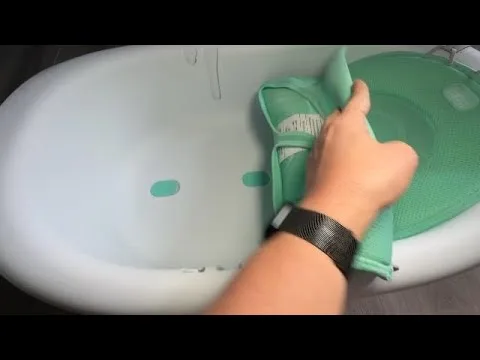
Image source: YouTube / Lisa Aungst (YouTube thumbnail (fair-use with source credit))