Can Babies Sleep in Car Seats? Expert Advice
You pull into the driveway and look back at your baby sleeping soundly in the car seat. Every parent has been there. The question “Can babies sleep in car seats?” feels urgent in that moment.
Do you let them rest or wake them up? The answer is more complicated than most people realize.
The American Academy of Pediatrics reports that roughly 3,500 infants die each year from sleep-related deaths in the United States. Many of those tragedies involve unsafe sleep surfaces. Car seats are designed for travel, not for extended sleep.
Understanding the difference between safe transport and safe sleep could save your baby’s life.
Quick Answer
No. Babies should not sleep in car seats outside of the vehicle. The risk of positional asphyxiation is too high.
Car seats are designed for travel, not for sleep. The American Academy of Pediatrics recommends moving your baby to a flat, firm surface as soon as possible. Always supervise your baby if they fall asleep during a car ride.
Why This Isn’t a Simple Yes or No
You might find conflicting advice online. Some sources say it’s fine for short periods. Others say never let a baby sleep in a car seat.
The real answer depends on age, supervision, and context.
Here is the core distinction. A car seat is perfectly safe for travel. It protects your baby in a crash.
But the same design that keeps your baby secure during a collision can create risks during sleep.
The angle of the seat matters. Car seats are designed with a slight recline. This angle helps protect the airway during a crash.
But when the seat is outside the car, that angle can change. A baby’s head can fall forward. This can block their airway.
The other factor is supervision. During a car ride, you are awake and alert. You can see your baby in the mirror.
You can hear them breathe. But if you bring the car seat inside and let your baby sleep unsupervised, you lose that safety net.
The Core Safety Risk: Positional Asphyxiation Explained
This is the most important concept to understand. Positional asphyxiation happens when a baby’s body position blocks their airway. It is not the same as choking.
The baby cannot breathe because their chin is pressed against their chest. Or the straps are pressing on their chest. Or they are slumped to one side.
Here is what makes it so dangerous. The baby does not struggle. They do not make noise.
They simply stop breathing. By the time you notice something is wrong, it may be too late.
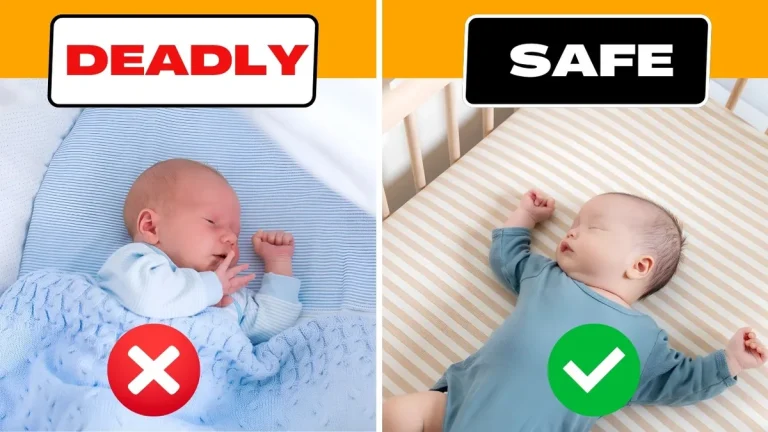
The AAP’s guidance on safe sleep is clear. Babies should always sleep on a flat, firm surface. No incline.
No soft padding. No restraints. A car seat provides none of these conditions for safe sleep.
Newborns are especially vulnerable. Their neck muscles are weak. They cannot lift or turn their head if their airway is blocked.
As of 2026, the official recommendation from the American Academy of Pediatrics remains unchanged. Car seats are for travel only.
What the AAP Actually Says About Car Seats and Sleep
The American Academy of Pediatrics releases regular policy statements on safe sleep. Their guidelines are based on years of research. They are not suggestions.
They are the standard of care.
Here is what the AAP says about car seats and sleep.
- Car seats should only be used for travel.
- Remove your baby from the car seat as soon as you arrive at your destination.
- Never use a car seat as a substitute for a crib or bassinet.
- If your baby falls asleep during car travel, move them to a flat surface as soon as possible.
- Car seats should never be used for routine sleep at home.
The AAP also recommends room sharing without bed sharing. Your baby should sleep in the same room as you for the first six months. But they should sleep on a separate flat surface.
A car seat is not a flat surface.
The Consumer Product Safety Commission has issued warnings about inclined sleep products. Many inclined sleepers have been recalled. Car seats are not sleep products.
They are safety restraints.
When It’s Okay (and When It’s Not) By Age and Situation
Newborns (0 to 3 months)
Newborns are at the highest risk for positional asphyxiation. Their neck muscles are almost nonexistent. They cannot control their head position.
If their chin drops to their chest, they cannot lift it back up.
For newborns, the answer is clear. Do not let them sleep in a car seat outside of the car. Even supervised naps in the car seat at home carry risk.
The safest option is to transfer them to a flat bassinet or crib.
A car seat test is sometimes done in hospitals for premature babies. This is a medical test. It is not permission to let your baby sleep in the car seat at home.
The test checks if the baby can maintain oxygen levels while sitting in the seat. It does not mean the seat is safe for sleep.
Infants (3 to 12 months)
As your baby grows, their neck strength improves. They can hold their head up. They can turn their head if something is blocking their airway.
But they are still at risk.
The risk decreases but does not disappear. An older infant can still slump forward in a car seat. They can still experience airway obstruction.
The AAP recommends the same guidelines for all babies under 12 months.
Here is a quick comparison of risk by age.
| Age Group | Neck Strength | Risk Level | Recommendation |
|---|---|---|---|
| Newborn (0-3 months) | Very weak | Very high | Do not let a child sleep in a car seat outside a vehicle |
| Infant (3-6 months) | Developing | High | Transfer to a flat surface as soon as possible |
| Older infant (6-12 months) | Stronger | Moderate | Still at risk, transfer to a flat surface |
The 2-Hour Rule: Fact or Fiction?
You may have heard the rule about not leaving a baby in a car seat for more than two hours. This guideline comes from some car seat manufacturers. It is not a formal regulation.
But it is based on real concerns.
The two-hour rule addresses two issues. First, the risk of positional asphyxiation increases over time. A baby may shift position slowly.
Their head may gradually droop forward. Two hours give enough time for this to happen.
Second, prolonged sitting in a car seat can affect breathing. The curved position compresses the baby’s chest. This can reduce lung capacity.
Over time, oxygen levels may drop.
The National Highway Traffic Safety Administration does not have a specific time limit for car seat use. But they recommend regular breaks on long drives. Stop every hour or so.
Take your baby out of the seat. Let them stretch and move.
Here is the practical takeaway. The two-hour rule is a good guideline. But it is not a permission slip.
If your baby falls asleep five minutes into a drive, you still need to transfer them at your destination. The clock starts when they are in their seats.
How to Keep a Baby Safe If They Fall Asleep in the Car
It is almost guaranteed to happen. Your baby will fall asleep during a drive. The question is what you do about it.
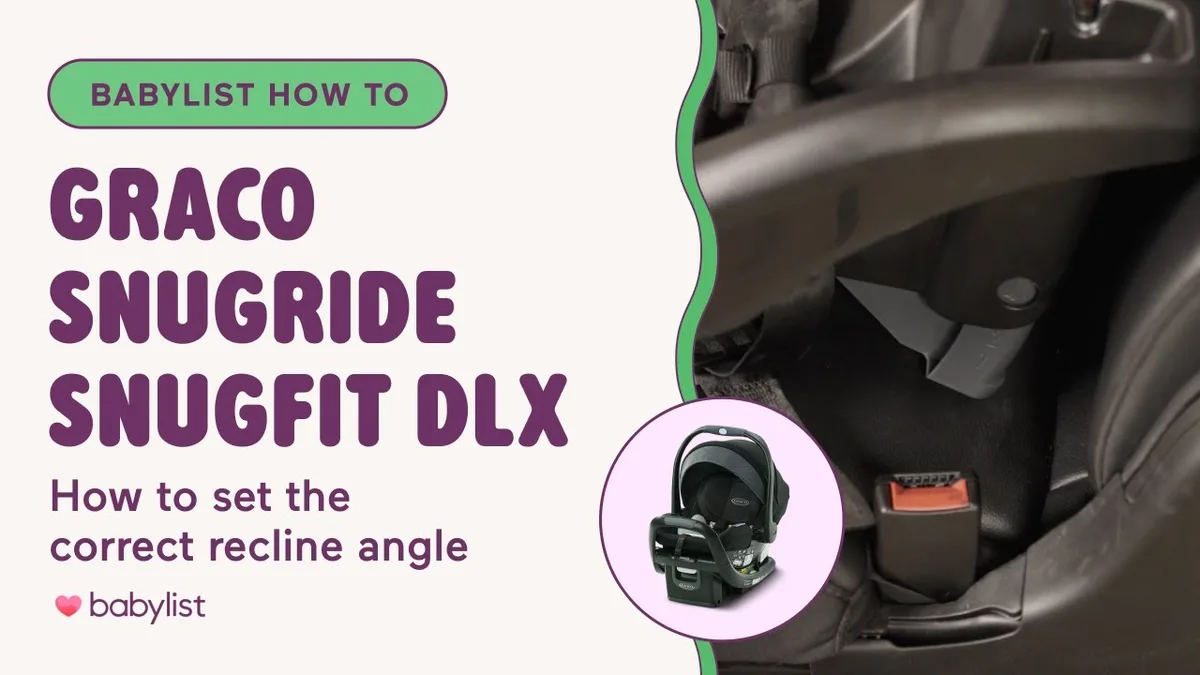
First, check the recline angle of the car seat. Most rear-facing seats have a built-in indicator. The seat should sit at a 30 to 45 degree angle.
This keeps the baby’s head from falling forward. If the seat is too upright, the baby’s chin can drop to their chest.
Second, make sure the harness fits correctly. A loose harness allows the baby to slump. The chest clip should be at armpit level.
The straps should be snug with no slack. A properly fitted harness keeps the baby in a safer position.
Third, avoid adding anything extra. No thick blankets under the baby. No head supports that did not come with the seat.
No toys clipped to the harness. The seat was tested as it comes from the factory. Adding anything changes how it works in a crash and during sleep.
Fourth, keep the car at a comfortable temperature. Overheating can make a baby sleep more deeply. Deep sleep increases the risk of airway obstruction.
Dress your baby in thin layers. Use the car’s climate control instead of heavy blankets.
Fifth, use a mirror to monitor your baby. A car seat mirror attaches to the headrest. It lets you see your baby’s face while driving.
If you see their chin on their chest, pull over and adjust them.
What to Do When You Get Home: Transfer Versus Supervised Nap
You arrive home, and your baby is still asleep. This is a choice point. You have two options.
Option one is to transfer your baby to a flat sleep surface. This is the safest option. Unbuckle the harness carefully.
Lift your baby out without waking them if possible. Place them in a crib or bassinet on their back.
Option two is a supervised nap in the car seat. This carries more risk. If you choose this, the car seat must stay on a flat floor.
Never put it on a soft surface like a bed or couch. The seat can tip over or sink into the padding. You must watch your baby the entire time.
Here is how the options compare.
| Situation | Transfer to Flat Surface | Supervised Nap in Car Seat |
|---|---|---|
| Risk level | Low | Moderate |
| Supervision needed | Standard sleep monitoring | Constant direct supervision |
| Recommendation | Always preferred | Only when transfer is impossible |
| Maximum time allowed | Until the baby wakes naturally | 30 minutes or less |
Our research shows that transferring your baby is almost always possible. Even if they wake up briefly, they will settle back to sleep on a flat surface. The risk of not transferring is simply not worth it.
Never Do These 5 Things With a Car Seat and Sleep
Some mistakes come up again and again in aggregate reviews and safety reports. Here are the ones to avoid at all costs.
-
Never let your baby sleep in a car seat on a soft surface. Placing the seat on a bed, couch, or rug can cause it to tip. The angle of the seat changes. The baby’s airway can become blocked.
-
Never use the car seat as a crib replacement. Some parents use the car seat for naps because the baby seems comfortable. The AAP is clear. Car seats are for travel only. Routine sleep belongs on a flat surface.
-
Never leave your baby unsupervised in a car seat outside the car. This includes while you unload groceries. This includes while you are in the next room. If the baby is in the car seat, you should be watching them.
-
Never put extra padding or inserts in the car seat for sleep. Aftermarket head supports, neck pillows, and body cushions are not tested with the seat. They can push the baby’s head forward or create gaps around the harness.
-
Never let your baby sleep in a car seat for extended periods at home. Even with supervision, the inclined position is not ideal for breathing. The two-hour guideline applies here, too. Keep car seat naps to a minimum.
Real-World Scenarios: Daycare Drop-Off, Road Trips, and Overnight Stops
Theory is one thing. Real life is another. Here is how these guidelines apply to common situations.
Daycare drop-off. Your baby falls asleep during the five-minute drive. You arrive and need to carry them inside.
The safest approach is to remove them from the seat and carry them. If they stay asleep in the seat while you walk in, keep one hand on their chin to prevent it from dropping. Transfer them to the daycare’s crib as soon as possible.
Road trips. Long drives require planning. Plan to stop every one to two hours.
Take your baby out of the car seat during stops. Let them stretch and move. If they are sleeping when you stop, it is still a good idea to wake them briefly for a break.
The risk increases with time in the seat.
Overnight stops during travel. If you are staying at a hotel or a family member’s home, do not bring the car seat inside for sleep. Pack a portable bassinet or use a pack and play.
Your baby needs a flat surface for overnight sleep.
What about a baby who sleeps in the car seat while you finish a meal at a restaurant? This is a short-term situation. Keep the seat on the floor next to you.
Watch your baby constantly. Move them to a flat surface as soon as you are done.
Safe Alternatives for Sleep on the Go
You need your baby to sleep while you are away from home. There are safer options than the car seat.
A portable bassinet or travel cot is the best alternative. Many models fold flat and fit in a suitcase. They provide a flat, firm surface.
Your baby can sleep safely while you are visiting family or staying in a hotel.
A stroller that reclines flat is another option. Some strollers have a near flat recline position. This is safer than an inclined car seat.
But you should still supervise your baby. And do not let them sleep in the stroller for extended periods without checking their position.
Baby wearing can work for short naps. A soft carrier keeps your baby upright and close to you. Their airway stays open because their head is supported by your chest.
You can see and feel them breathing. This is a reasonable option for a short nap while you are out.
What about the travel system where the car seat clicks into the stroller? This is convenient but not safer. The car seat is still inclined.
Your baby is still at risk of positional asphyxiation. Use the travel system for transport. Transfer your baby to a flat surface for sleep.
Warning Signs of Airway Trouble Every Parent Should Know
Positional asphyxiation does not look like choking. There is no coughing or gasping. The baby simply stops breathing.
You need to know what to watch for.
Here are the warning signs to look for when your baby is in a car seat.
- Chin pressed firmly against the chest. This is the most obvious sign. If you cannot see a clear gap between the chin and the chest, the airway could be blocked.
- Difficulty breathing or noisy breathing. Listen for snoring sounds, wheezing, or grunting. These are not normal sleep sounds for a baby.
- Blue or gray tint to the lips, face, or nails. This is called cyanosis. It means oxygen levels are dropping. This is a medical emergency.
- Floppy or limp body. A baby who is too relaxed may not have enough muscle tone to keep their airway open.
- Pause in breathing for more than 10 seconds. Normal infant breathing has short pauses. A pause of 10 seconds or longer requires immediate action.
If you see any of these signs, take your baby out of the car seat immediately. Hold them upright and stimulate them. Call 911 if they do not respond or start breathing normally.
Expert Tips From Pediatricians and Car Seat Technicians
Certified car seat technicians and pediatricians agree on several key points. These tips go beyond the basic guidelines.
Check your car seat installation regularly. A seat that shifts position can change the recline angle. Use the LATCH system or seat belt to secure the base tightly.
The seat should not move more than one inch at the belt path.
Remove your baby’s coat before buckling. Bulky winter coats create slack in the harness. The harness may feel tight over the coat, but is actually loose.
Your baby can slip down in the seat. Use thin layers and put a blanket over the straps instead.
Use the tether strap on forward-facing seats. This reduces head movement in a crash and helps keep the seat stable. It also keeps the angle consistent during sleep.
Replace the seat after any moderate or severe crash. The National Highway Traffic Safety Administration recommends replacing any car seat involved in a crash that caused vehicle damage or injury. The seat may have hidden damage that affects its performance.
Practice the pinch test on the harness straps. You should not be able to pinch any slack at the baby’s shoulder. If you can pinch webbing, the harness is too loose.
Quick Decision Guide: Car Seat Sleep by Context
Here is a simple decision guide for common situations. Use it when you are unsure what to do.
| Situation | Safe? | Action Required |
|---|---|---|
| Baby falls asleep during a car ride | Yes, with monitoring | Transfer to flat surface at destination |
| Baby falls asleep at home in a car seat | No | Move to a crib or bassinet immediately |
| Short errand, baby asleep in seat | Conditional | Supervise constantly, keep your seat on the floor |
| Overnight sleep in a car seat | No | Use portable bassinet or pack and play |
| Long road trip, baby sleeping | Conditional | Stop every 1-2 hours for breaks |
| Baby sleeps in a car seat at daycare | No | Ask the daycare to transfer to their crib |
The rule of thumb is simple. If you are driving, the car seat is safe. If you are not driving, the car seat is not a bed.
Frequently Asked Questions
Can a newborn sleep in a car seat for a few minutes at home?
No. Even a few minutes carries risk for a newborn. Their neck muscles are too weak to keep their airway open.
Move them to a flat surface immediately.
How long can a baby stay in a car seat on a road trip?
Stop every one to two hours. Take your baby out of the seat during stops. The two-hour guideline is a maximum, not a target.
Shorter stretches are better.
Is it safe to let my baby sleep in a car seat if I am watching them?
Supervision reduces risk but does not eliminate it. The car seat angle still matters. If the baby’s chin drops to their chest, you may not notice until it is too late.
Transferring to a flat surface is always safer.
What should I do if my baby only sleeps in the car seat at home?
Work on establishing a safe sleep routine on a flat surface. Use white noise. Keep the room dark.
Try a consistent bedtime routine. The car seat is not a long-term solution for sleep problems.
Can I use a car seat on a stroller frame for naps?
No. The car seat is still inclined even on a stroller frame. The risk of positional asphyxiation remains the same.
Use a bassinet attachment or a stroller that reclines flat instead.
Do car seats expire, and does that affect sleep safety?
Yes, car seats expire. Most last 6 to 10 years from the manufacture date. Expired seats may have degraded plastic or worn harnesses.
This affects crash protection and angle stability. Always check the expiration date sticker on the seat.
Final Takeaway: One Guideline That Overrides Everything
Here is the single most important thing to remember. Car seats are for travel, not for sleep. That one rule covers almost every situation you will face.
If you take nothing else from this article, remember this. A car seat saves your baby’s life in a crash. But it can put them at risk during sleep.
The same design that protects them at 60 miles per hour can harm them at rest.
The safest path is clear. Use the car seat for its intended purpose. Remove your baby when you arrive.
Put them on a flat, firm surface for sleep. Watch them closely during car rides. Trust the guidelines from the American Academy of Pediatrics and the National Highway Traffic Safety Administration.
You do not need to be perfect. You just need to know the risks and make the safest choice available in each moment. Every parent will face the dilemma of a sleeping baby in a car seat.
Now you know what to do.