
5 Reasons Your Baby Hates the Car
You’re in the thick of it, buckling in a screaming baby, pulling out of the driveway with your nerves already shot, wondering why does my baby hate the car. You’re not alone, and more importantly, you’re not imagining it. The crying isn’t random.
It’s your baby’s way of telling you something is off, and with a little detective work, you can usually fix it.
Research from the National Highway Traffic Safety Administration estimates that roughly 70 percent of infants go through a phase of car-seat fussiness, and most outgrow it by their first birthday. But waiting it out isn’t the only option. As of 2026, we have a good understanding of the main triggers, seat fit, motion sickness, temperature, and timing.
Let’s walk through each one so you can turn your next ride into a calm one.
Quick Answer
Your baby cries in the car for a reason. Most often it’s seat discomfort, motion sickness, temperature, hunger, or overstimulation. Check the car seat recline angle first.
Make sure the harness is snug and clothing is thin. Pre-cool the car before buckling your baby. A short test drive can reveal the real culprit.
You can solve most cases with simple adjustments.
The Real Problem — Crying in the Car Isn’t Random (and It’s Probably Not Just “Being a Baby”)
That wail from the back seat isn’t a mystery. Crying is how babies communicate. It could be physical, the seat is tilted too far forward or the straps are digging in.
It could be sensory, the engine hum, the sun in their eyes, the stuffy air. Or it could be internal, a little motion sickness that feels like a stomach drop.
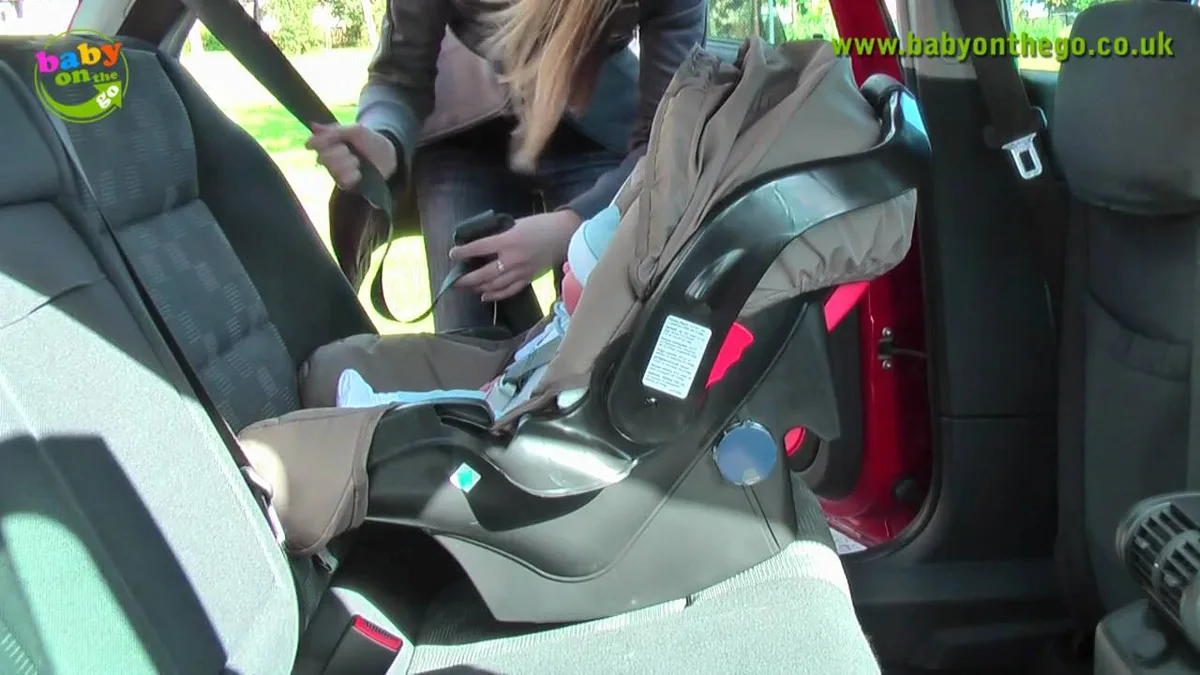
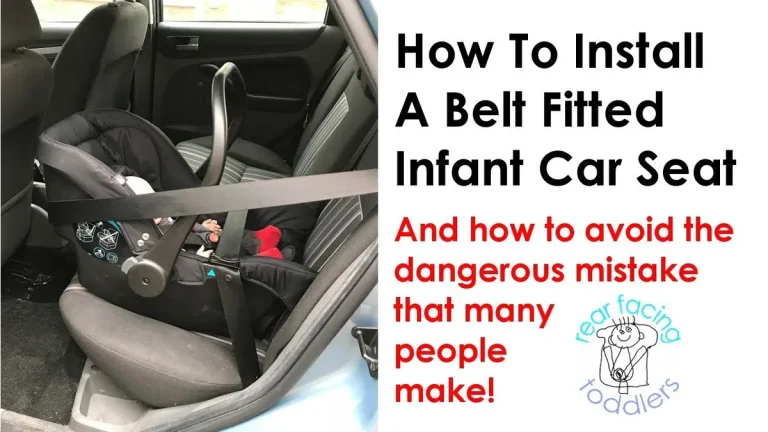
Image source: YouTube / BabyOnTheGo (YouTube thumbnail (fair-use with source credit))
The key is to treat it like a logic puzzle. If your baby cries the second you close the door, the cause is probably the seat or the buckle. If they settle for ten minutes then start, motion sickness or temperature is more likely.
If they only cry on turns, that’s motion sensitivity. Each pattern points to a different fix.
A lot of parents assume it’s just colic or a bad mood. But according to the American Academy of Pediatrics, car seat crying is often a solvable issue. Start with the seat itself, it’s the most common culprit.
Quick Decision Guide — What to Try Based on Your Baby’s Specific Behavior
Here’s a cheat sheet to match behavior to cause. Use it as a first step before diving into the deeper fixes.
| If your baby… | Most likely cause | First thing to try |
|---|---|---|
| Cries before the car moves | Seat discomfort or buckle pinch | Check recline angle and harness height |
| Cries 10 to 15 minutes into the ride | Motion sickness or overheating | Open a window and adjust car temperature |
| Cries only on turns or stops | Motion sensitivity | Try a car mirror so baby sees forward |
| Falls asleep then wakes crying | Temperature or noise change | Lower the radio and check backseat temp |
| Arches back and fights the buckle | Harness too tight or clothing bunched | Remove bulky jacket, recheck chest clip |
None of these are guarantees, but they give you a starting point. If the first try doesn’t work, move to the next section.
Is It the Car Seat? Checking Fit, Recline, and Comfort First
This is the most common reason babies fight the car. The seat might look fine to you but feel wrong to a baby. Start with the recline angle.
For infants under six months, the seat should be at a 30 to 45 degree angle, not too upright, not too flat. Most car seats have a built-in level indicator, a little bubble or line on the base. If that bubble is outside the zone, your baby is either slumping forward or lying too far back.
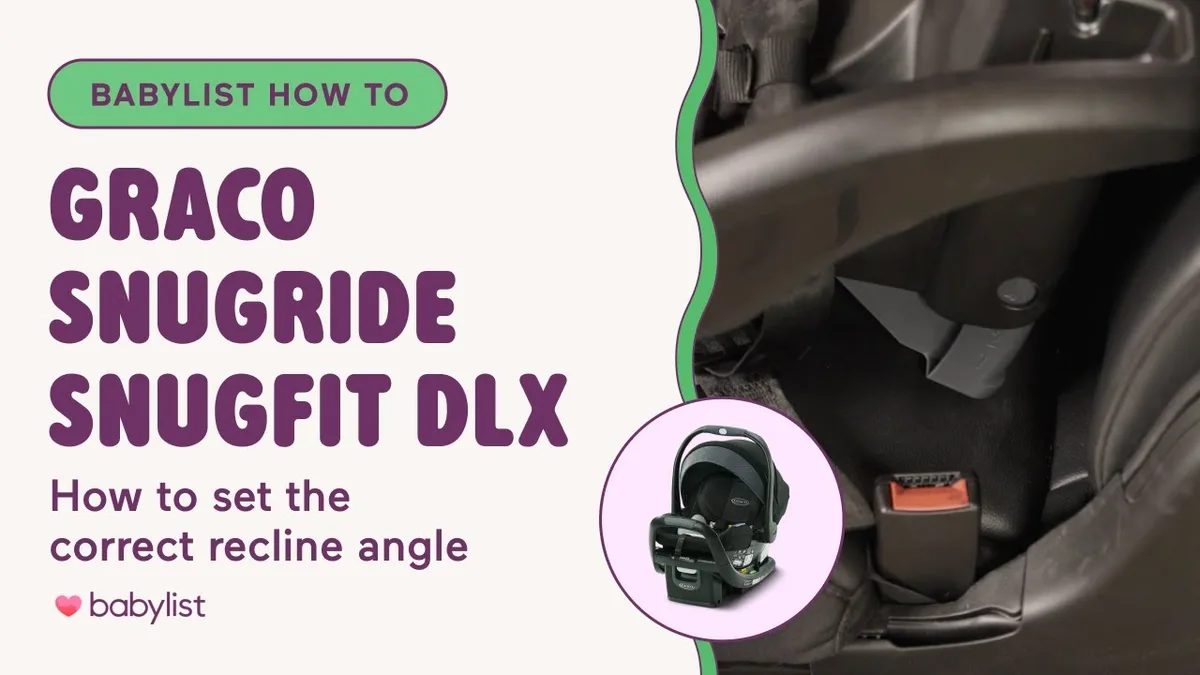
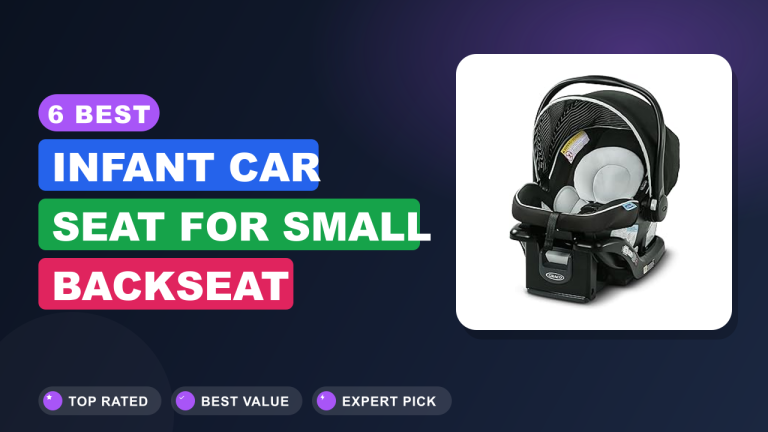
Image source: YouTube / Babylist (YouTube thumbnail (fair-use with source credit))
Next, check the harness. The shoulder straps should be at or just below your baby’s shoulders for rear-facing. If they are above the shoulders, the harness can dig into the neck or slip off.
The chest clip should sit at armpit level, no higher, no lower. And the harness should be snug enough that you cannot pinch any slack between your thumb and forefinger. If you can, it is too loose.
One thing parents miss: bulky clothing. A puffy coat or thick fleece creates a gap between the straps and your baby’s body. In a crash, that gap lets your baby compress forward.
In everyday driving, it makes the harness feel tight and uncomfortable. Dress your baby in thin layers and buckle them, then put a blanket on top. That alone stops a lot of fussing.
If the seat angle and harness are correct but your baby still cries, the issue may be a different kind of discomfort, like the buckle pressing into a soft belly. If you are using an infant bucket seat, check that the crotch buckle is not hitting your baby’s stomach. Some seats let you adjust the crotch strap position.
If yours doesn’t, a rolled-up receiving blanket under the legs can help relieve pressure.
Could It Be Motion Sickness? Signs Most Parents Miss
Motion sickness in babies looks different than it does in adults. Your baby won’t say “I feel dizzy.” Instead, they get pale, sweaty, drooly, or fussy. They might yawn repeatedly or vomit after a short ride.
Many parents misread these signs as hunger or tiredness and offer a bottle, which often makes things worse.
The mechanism is simple. The inner ear senses movement that the eyes cannot confirm, especially in rear-facing seats where the baby faces backward. That mismatch creates nausea.
It tends to show up around two to four months and often fades as the brain matures.
To test for motion sickness, try a very short drive, two or three minutes around the block. If your baby starts looking pale or drooling before you even get to the end of the street, motion sickness is likely. In that case, do not feed right before a drive.
Leave at least 20 to 30 minutes after a meal. Crack the window for fresh air. Some parents find that a car mirror facing forward helps because the baby can see the road ahead.
It may not fix the nausea entirely, but it can reduce the disorientation.
If your baby vomits repeatedly during drives, talk to your pediatrician. In rare cases, a doctor may recommend a low dose of motion sickness medication. Do not give any over-the-counter medicine without medical approval, some formulations are not safe for infants.
Temperature, Noise, and Sensory Overload — The Environment Fix
Babies are terrible at regulating their own temperature. A car that feels fine to you can feel sweltering or drafty to a baby. Overheating is the more common problem, a hot back seat plus a padded car seat can trap heat.
Your baby may get flushed, fussy, and eventually cry from discomfort.
The fix is simple: pre-cool the car before you buckle your baby in. Run the air conditioner for a few minutes so the back seat is cool. Aim for 68 to 72 degrees Fahrenheit.
If it is cold outside, warm the car slightly but avoid blasting heat directly at the baby. A rear-facing seat can catch direct sun through the back window, so use a clip-on sunshade or window mesh to block glare.
Noise is another hidden trigger. The hum of the engine, the rumble of the road, and the radio can overwhelm a sensitive baby. Some babies actually calm down with white noise, a fan or a phone app playing a soft shushing sound.
Others need silence. If your baby seems overstimulated, turn off the radio and try just white noise at a low volume.
Visual overstimulation happens too. Streetlights flashing past, trees flickering through the window, or the sun flickering between buildings, all of that can be too much for a developing nervous system. A sunshade on the side window can reduce the flicker.
If the car interior has a lot of reflections, try a simple cloth or muslin blanket draped over the back of the seat (not over the baby) to block the glare.
One last environmental check: the car itself. Some cars have stiffer suspension or louder cabins than others. If you have access to a different vehicle, try a short drive in it to see if your baby settles.
That can tell you whether the problem is your car, not your baby.
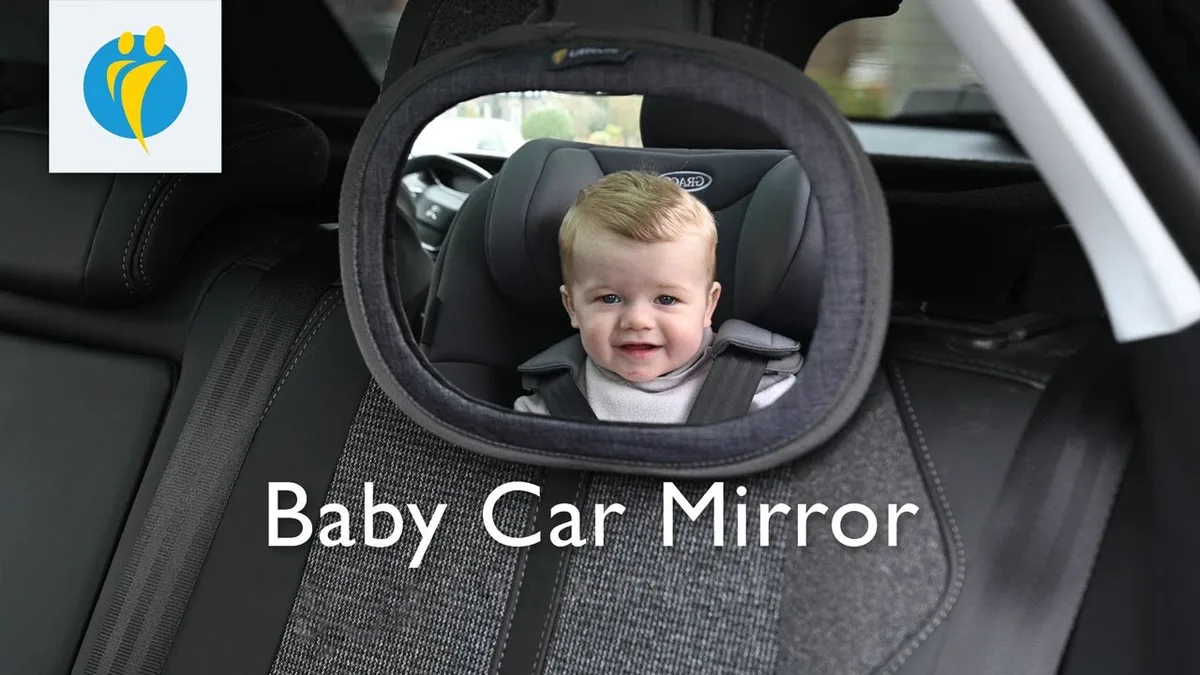
Image source: YouTube / LittleLife (YouTube thumbnail (fair-use with source credit))


3 Comments