How Long Can Babies Be in a Car Seat? Safe Travel Tips
You’ve probably heard the rule of thumb: babies shouldn’t stay in a car seat for more than two hours at a time. But how long can babies be in a car seat really, and why does that limit exist? The answer isn’t just about comfort or fussiness.
It’s about a serious safety risk called positional asphyxiation, where a baby’s airway gets compressed in the seated position.
The American Academy of Pediatrics (AAP) and the National Highway Traffic Safety Administration (NHTSA) both recommend the two-hour maximum as a general guideline. As of 2026, this remains the standard advice across pediatric and child passenger safety organizations. The reasoning comes down to physiology: infants have weak neck muscles, soft airways, and heads that are heavy relative to their bodies.
When they slump forward in a car seat, their chin can press against their chest, restricting airflow. Let’s break down what that means for your daily routine and your long road trips.
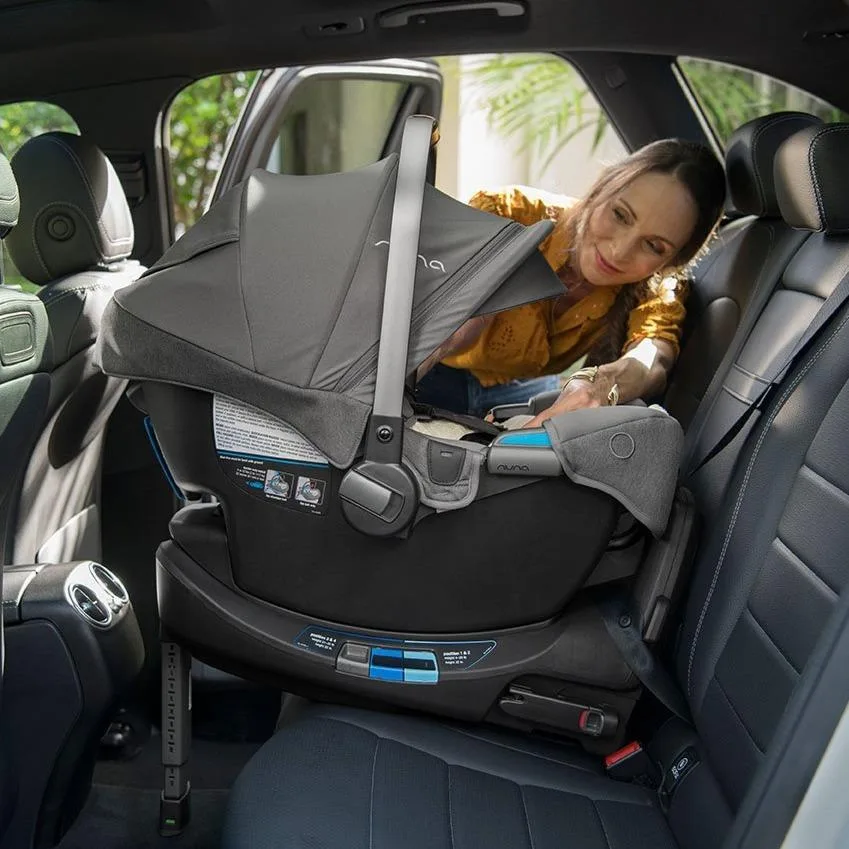
Image source: Web (Bing) / smart.dhgate.com (Web image (fair-use with source credit))
Quick Answer
Babies should not be in a car seat for more than 2 hours total in a 24-hour period. This includes time in the car and time spent in the seat outside the vehicle. The 2-hour rule applies to all infants, especially newborns and premature babies.
After 2 hours, take a break. Remove the baby from the seat and let them stretch, feed, and rest in a flat position.
The 2-Hour Rule: The Short Answer
The two-hour rule is simple: no baby should spend more than two continuous hours in a car seat. That includes the time you’re driving, the time you’re parked, and the time you’ve clicked the seat into a stroller frame. The clock starts the moment your baby’s bottom touches the seat.
Why two hours specifically? Research on oxygen saturation levels in infants shows that after about 90 minutes in a semi-upright position, blood oxygen levels can begin to drop. By the two-hour mark, the risk of airway compromise increases meaningfully.
This is especially true for newborns under one month old and for babies born prematurely.
The rule isn’t just about long road trips. It applies to everyday life. A quick trip to the grocery store, a stop at grandma’s house, and a drive-through coffee run can add up.
If you’re running multiple errands, each one resets the clock only if you take the baby out of the seat between stops. Leaving them in the seat while you shop, then driving home, counts as continuous time.
What the Research Actually Says
A 2010 study published in the journal Pediatrics monitored healthy full-term newborns in car seats for 60 minutes. The researchers found that oxygen saturation levels dropped significantly in a portion of the infants, even without visible signs of distress. The babies didn’t cry or fuss.
They just quietly experienced reduced oxygen flow.
More recent studies have confirmed these findings. A 2015 review in BMJ Open looked at multiple studies on car seat safety for infants. The authors concluded that the semi-upright position can compromise respiratory function, particularly in newborns and preterm infants.
They recommended limiting continuous time in car seats and using them only for travel, not for routine sleeping.
The takeaway is clear: the two-hour rule exists because of measurable physiological changes, not parental convenience. Your baby might look comfortable and peaceful. That doesn’t mean their airway is clear.
Why Car Seats Are Dangerous for Sleeping (Outside the Car)
Here’s where the confusion usually starts. A car seat is designed for travel. It’s not designed for sleep.
But babies fall asleep in the car all the time. And when they do, parents often leave them in the seat, bringing the whole thing inside or letting them nap in the stroller base.
The danger is positional asphyxiation. This happens when the baby’s position blocks their airway. In a car seat, the most common cause is the chin-to-chest position.
When a baby’s head slumps forward, their chin presses against their collarbone or chest. This compresses the trachea and restricts airflow.
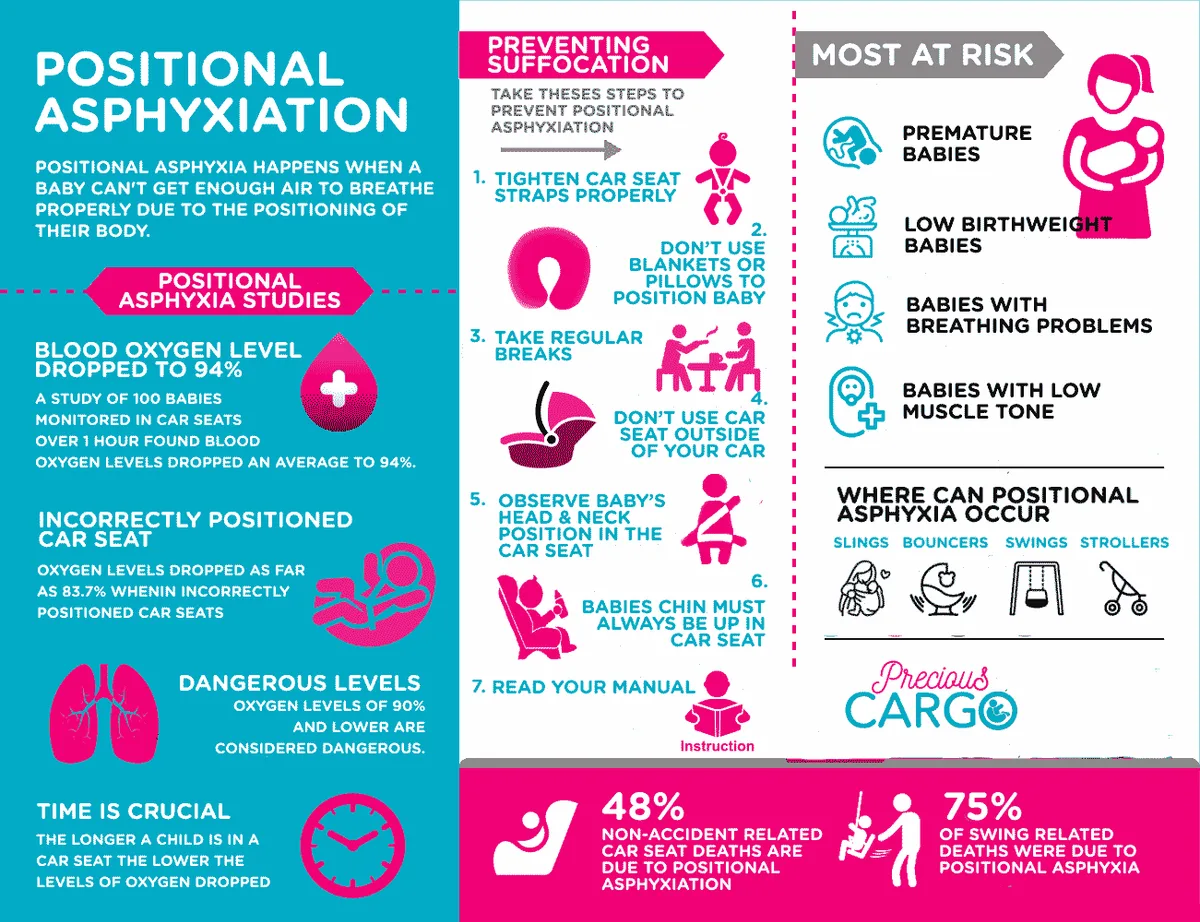
Image source: Web (Bing) / preciouscargo.co.za (Web image (fair-use with source credit))
The Chin-to-Chest Problem
Newborns have very little head control. Their neck muscles are weak, and their heads are large and heavy relative to their bodies. In a car seat, the semi-reclined angle is supposed to keep the head supported.
But when a baby falls into a deep sleep, their muscles relax completely. The head can roll forward, and the chin can tuck into the chest.
This position is dangerous for two reasons. First, it compresses the airway directly. Second, it can restrict blood flow to the brain.
Both can lead to oxygen deprivation. In severe cases, this can cause brain damage or death.
The risk is highest in the first two months of life. Premature babies are at even greater risk because their muscle tone is lower and their airways are smaller. If your baby was born before 37 weeks, you should be extra vigilant about car seat time.
Oxygen Levels and Airway Compression
When a baby’s chin presses against their chest, the trachea can bend or kink. This reduces the amount of air that reaches the lungs. Even a partial blockage can cause oxygen levels to drop.
The baby might not cry or show obvious signs of distress. They might just sleep more deeply, which is actually a sign of oxygen deprivation.
This is why the car seat is not a safe sleep environment. The American Academy of Pediatrics recommends that babies sleep on a firm, flat surface with no incline. Car seats, swings, bouncers, and strollers all have an incline that can compromise the airway.
If your baby falls asleep in the car, the safest thing is to move them to a flat surface as soon as you arrive at your destination.
Risk Factors: Which Babies Are Most Vulnerable
Not every baby faces the same level of risk. Some infants are more vulnerable to positional asphyxiation than others. Understanding these risk factors can help you make better decisions about car seat use.
Newborns and Premature Infants
Newborns under one month old are at the highest risk. Their neck muscles are the weakest, and their airways are the smallest. Premature infants are even more vulnerable.
A baby born before 37 weeks may have underdeveloped respiratory control and lower muscle tone. Some hospitals require a “car seat challenge” before discharging preterm infants. This test monitors the baby’s oxygen levels while sitting in a car seat for 90 to 120 minutes.
If your baby was born prematurely, talk to your pediatrician about car seat safety. They may recommend limiting car seat time to 30 minutes at a stretch, or they may suggest a car bed for the first few months.
Babies with Low Muscle Tone or Medical Conditions
Certain medical conditions can increase the risk of airway obstruction in a car seat. These include:
- Hypotonia (low muscle tone)
- Congenital heart conditions
- Respiratory conditions like bronchopulmonary dysplasia
- Neurological conditions that affect breathing control
- Gastroesophageal reflux disease (GERD)
If your baby has any of these conditions, ask your pediatrician for specific guidance. They may recommend shorter car seat intervals or additional monitoring during travel.
The “Sleepy Baby” Danger Zone
Here’s a scenario that happens more often than you’d think. Your baby falls asleep in the car seat on the way home from a family gathering. You bring the seat inside and let them keep sleeping.
An hour passes. Then two. The baby is still asleep, so you let them rest.
This is the danger zone.
Deep sleep causes maximum muscle relaxation. The longer a baby stays in the car seat, the deeper their sleep becomes, and the higher the risk of airway compromise. The two-hour rule isn’t just about the car.
It’s about the total time in the seat, wherever that seat happens to be.
The 2-Hour Rule: How to Apply It in Real Life
Knowing the rule is one thing. Applying it in real life is another. Here’s how to make the two-hour limit work for your family, whether you’re running errands or heading across the state.
Counting Time: Does It Include Loading and Unloading?
Yes. The clock starts when your baby is placed in the seat. It doesn’t pause when you’re buckling them in, loading the car, or waiting in the driveway.
If you’re planning a trip, factor in the time it takes to get everyone settled. A 90-minute drive can easily become a two-hour car seat session by the time you add loading and unloading.
What to Do on Long Road Trips
Long road trips require planning. The two-hour rule doesn’t mean you can’t drive for more than two hours. It means you need to stop every two hours and take your baby out of the seat.
Here’s a practical schedule:
| Time | Action |
|---|---|
| 0:00 | Start of trip, baby in seat |
| 1:30 | Start looking for a rest stop |
| 2:00 | Stop, remove baby from seat |
| 2:15 | Feed, change, and let baby stretch |
| 2:30 | Resume driving, baby back in seat |
| 4:30 | Second stop, repeat the process |
Each stop should last at least 15 to 20 minutes. This gives your baby time to fully wake up, move their limbs, and reset their breathing. If your baby is a newborn, you might need to stop more frequently.
Some parents find that stopping every 90 minutes works better for their baby’s temperament.
Planning Rest Stops: The 2-Hour Breakdown
When you’re planning a long trip, map out your rest stops in advance. Look for places where you can comfortably feed and change your baby. Rest areas, gas stations, and fast-food restaurants all work.
If you’re traveling with a partner, take turns sitting in the back seat with the baby. This can help keep them calm and reduce the urge to stop early.
If your baby is particularly fussy in the car, you might need to plan for more frequent stops. Some babies hate the car seat entirely. If that sounds familiar, you’re not alone.
Many parents deal with a baby who cries every time the car starts moving. The good news is that there are strategies to help. You can find practical tips for managing a fussy passenger in our guide to why babies hate the car.
Safe Practices for Car Seat Use
The two-hour rule is the most important guideline, but it’s not the only one. Proper car seat use involves several factors that affect your baby’s safety. Let’s walk through the essentials.
Proper Installation and Recline Angle
A car seat is only safe if it’s installed correctly. The seat should be tightly secured, with no more than one inch of movement at the belt path. The recline angle matters too.
Most infant car seats have a built-in level indicator. The seat should be at the angle specified in the manual, usually between 30 and 45 degrees.
If the seat is too upright, your baby’s head can fall forward. If it’s too reclined, the seat might not provide adequate crash protection. Check the manual for your specific seat model.
The correct angle is different for every brand.
Harness Fit: The Snug Test
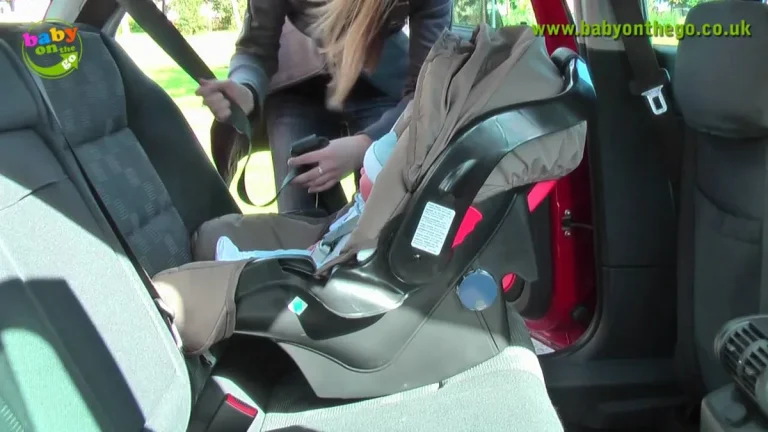
The harness should be snug against your baby’s body. You should not be able to pinch any slack in the straps at the shoulder. The chest clip should sit at armpit level, not at the belly or the neck.
The straps should lie flat, with no twists.
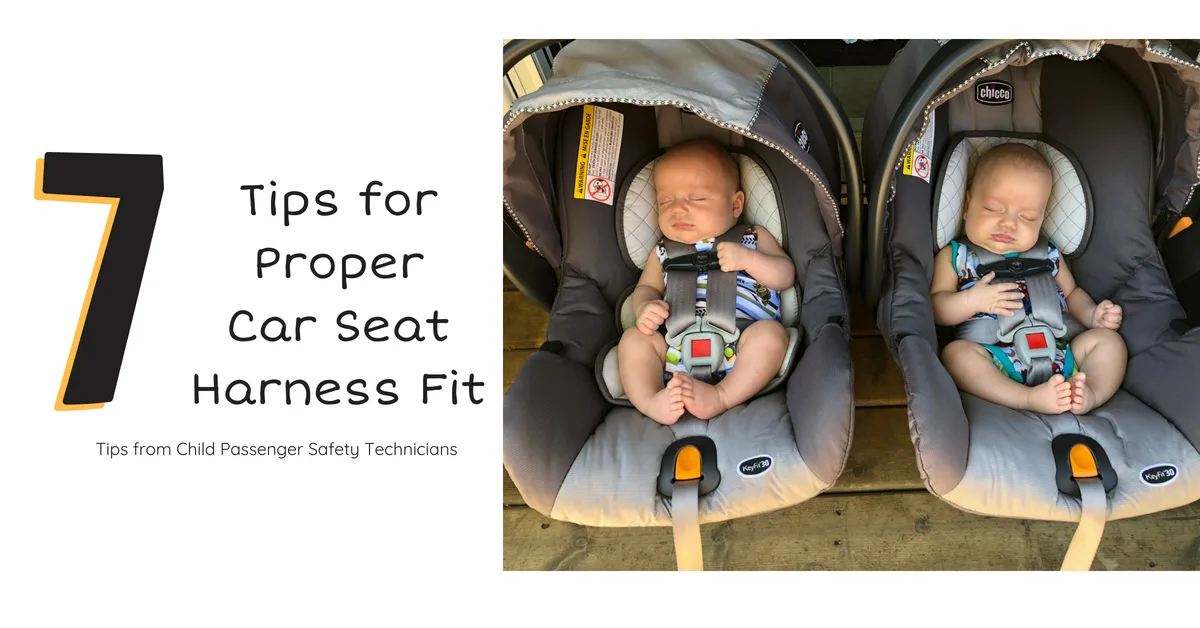
Image source: Web (Bing) / mamanloupsden.com (Web image (fair-use with source credit))
A common mistake is leaving the harness too loose because the baby seems uncomfortable. But a loose harness is a safety hazard. In a crash, a loose harness can allow the baby to slide forward or even be ejected from the seat.
The harness should be snug enough that you can’t pinch any fabric at the shoulder.
Removing the Seat from the Car (When It’s Okay)
Infant car seats are designed to be portable. You can click them out of the base and carry them. This is convenient for short trips, but it’s not a free pass to let your baby sleep in the seat.
The two-hour rule still applies.
If you’re running errands, it’s fine to carry the seat into the store. But if your baby falls asleep, you should transfer them to a flat surface as soon as possible. Leaving them in the seat for the entire shopping trip adds to their total car seat time.
And if you’re at home, don’t leave the seat on the floor or on a table with your baby inside. The seat can tip over, and the incline is still a risk.
For more on keeping your baby comfortable and safe in the car, including what to dress them in during colder months, check out our guide to safe winter car seat wear.
Common Mistakes Parents Make
Even well-meaning parents slip up. The most common mistake is letting a baby sleep in the car seat at home. You bring the seat inside, the baby is peaceful, and you don’t want to wake them.
But the seat is not a crib. The incline still puts pressure on the airway, and the risk doesn’t disappear just because the car is off.
Another frequent error is leaving the seat on the floor or on a table with the baby inside. Infant seats are top-heavy. A curious sibling or a family pet can knock the whole thing over.
Always place the seat on a flat, stable surface, or better yet, transfer the baby to a bassinet or crib.
Stacking errands without breaks is also common. A 20-minute drive to the store, 30 minutes inside, then another 20-minute drive home. That’s over an hour in the seat, and the clock never resets.
If you’re running multiple stops, take the baby out at each one. Let them stretch and breathe.
Finally, bulky winter coats are a hidden danger. A thick coat compresses in a crash, leaving the harness too loose. Dress your baby in thin layers and use a blanket over the harness instead.
We covered this in detail in our guide to safe winter car seat wear.
Car Seat vs. Other Baby Gear: What’s Safe for Sleep
The car seat isn’t the only piece of baby gear with an incline. Swings, bouncers, and strollers all have similar risks. The AAP recommends that all sleep happen on a flat, firm surface.
That means a crib, bassinet, or play yard.
| Gear | Safe for Sleep? | Why |
|---|---|---|
| Car seat | No | Semi-upright position compresses airway |
| Bassinet | Yes | Flat, firm surface |
| Baby swing | No | Incline and motion can cause airway issues |
| Stroller (flat recline) | Yes, with supervision | Only if fully flat and baby is monitored |
| Bouncer | No | Same positional asphyxiation risk |
If your baby falls asleep in a swing or bouncer, move them to a flat surface as soon as you can. The same goes for a stroller unless the seat is fully reclined to flat. Even then, you should keep an eye on them.
The safest place for sleep is always a firm, flat surface with no incline.
Long-Distance Travel with a Baby: A Practical Plan
Long road trips require a different mindset. You can’t just stop every two hours and expect to make good time. But you also can’t skip the breaks.
The key is planning.
Before you leave, time your departure around your baby’s sleep schedule. If they usually nap at 10 AM, hit the road at 9:45. They’ll fall asleep in the seat, and you’ll get a solid stretch of quiet driving.
Just remember that the two-hour clock starts when they’re buckled in.
During the drive, aim for a break every two hours. Find rest stops with clean bathrooms and a place to sit. Take the baby out, feed them, change them, and let them kick their legs.
A 20-minute break resets the clock and gives everyone a chance to decompress.
If your baby gets car sick, the breaks become even more important. Motion sickness can make the whole trip miserable for everyone. We’ve got practical advice on managing car sickness in babies that can help you plan better.
FAQs About Babies and Car Seats
Can my baby sleep in a car seat overnight?
No. The car seat is not a safe sleep environment for overnight sleep. The semi-upright position increases the risk of positional asphyxiation.
If your baby falls asleep in the car, transfer them to a crib or bassinet as soon as you arrive home.
Is it okay to use a car seat on a plane?
Yes, but with caveats. A car seat is the safest way for a baby to travel on a plane, provided it’s FAA-approved. However, the two-hour rule still applies.
You’ll need to take the baby out of the seat periodically to let them move and stretch.
How long can a newborn be in a car seat?
Newborns should spend even less time in a car seat than older infants. Many pediatricians recommend limiting continuous time to 30 to 60 minutes for babies under one month. Premature infants may need even shorter intervals.
Always follow your pediatrician’s specific guidance.
What if my baby falls asleep on a short drive?
If the drive is under 30 minutes, it’s usually fine to let them sleep until you arrive. Once you’re home, move them to a flat surface immediately. Don’t let them continue sleeping in the seat while you unpack or settle in.
The Bottom Line: Safe Car Seat Use, Every Trip
The two-hour rule is simple, but it requires discipline. Every trip, no matter how short, counts toward the total. Plan your stops, take the baby out, and never use the car seat as a substitute for a crib.
If you notice your baby struggling to breathe, turning blue, or becoming limp in the car seat, remove them immediately and seek emergency care. These are signs of respiratory distress. Trust your instincts.
When in doubt, get the baby out of the seat.
For more guidance on car seat milestones, including when your baby can safely face forward, check out our article on forward-facing car seat readiness. The National Highway Traffic Safety Administration also offers free car seat inspection stations across the country. You can find one near you on their official site at nhtsa.gov.