Newborn Necessities: What to Buy Before Baby Arrives
You’re staring at a registry checklist that’s somehow both too long and not long enough. Everyone has an opinion: you need this gadget, that organic onesie, a wipe warmer you’ll use exactly twice. The truth about must have products for newborns is a lot simpler, and a lot more serious, than the internet would have you believe.
A handful of items are genuinely non-negotiable for your baby’s safety and your sanity. The rest is optional.
Per the American Academy of Pediatrics (AAP), the leading cause of injury death among infants under one year old is accidental suffocation in unsafe sleep environments. Another is motor-vehicle crashes involving improperly installed car seats. That’s not fear-mongering, it’s why we need to separate the essentials from the extras right now.

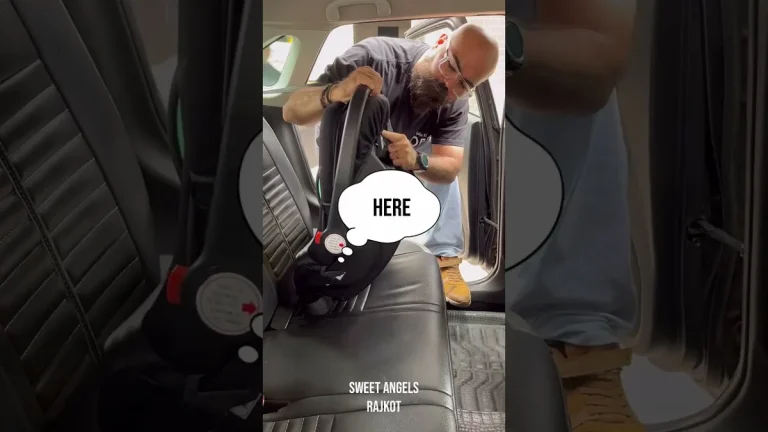
Image source: YouTube / Helping Babies Sleep (YouTube thumbnail (fair-use with source credit))
Quick Answer
Newborn essentials break into four categories: safe sleep, safe travel, diapering, and feeding. A crib or bassinet meeting CPSC standards with a firm mattress and fitted sheet. A rear-facing car seat installed correctly.
Enough diapers and wipes for 10-12 changes per day. A feeding plan, breast pump, bottles, or formula supplies. Skip the extras until you know what your baby actually needs.
Why Getting This Right Matters for Your Newborn’s Safety
Newborns are surprisingly fragile. They can’t regulate their own temperature well. Their airways are tiny.
Their neck muscles aren’t strong enough to turn their head if something blocks their breathing. That’s why product choices around sleep, travel, and feeding go beyond preference, they directly affect survival odds.
Every year, the CPSC recalls dozens of infant products: cribs with dangerous drop-sides, inclined sleepers linked to suffocation, car seats with faulty buckles. A 2023 Consumer Product Safety Commission report noted that nearly 70% of infant product-related deaths involved sleep environments with soft bedding or unsafe surfaces. That’s preventable. Getting the right products, and using them correctly, is the single biggest thing you can do to reduce risk.
On the flip side, buying the wrong thing or using it wrong can be worse than not having it at all. A car seat that’s expired or installed loosely offers a false sense of security. A swaddle that’s too heavy can cause overheating.
A bottle nipple with too fast a flow can lead to choking or overfeeding. That’s why this isn’t about brand prestige; it’s about knowing what to trust and what to avoid.
The Two Non-Negotiables: Safe Sleep & Safe Car Seats
If you buy nothing else, buy these two things right. Everything else can wait a week. Let’s break them down.
What the AAP and CPSC Say About Cribs and Bassinets
The gold standard for safe infant sleep is straightforward:
- A firm, flat mattress with a tight-fitting sheet (no memory foam or pillow-top)
- No soft objects in the crib, no bumpers, no pillows, no blankets, no stuffed animals
- The baby sleeps alone in the crib or bassinet, not in a parent’s bed or on a couch
- The sleep surface must meet CPSC safety standards (look for a JPMA certification label)
Bassinets have a lower weight limit, usually 15 to 20 pounds, so plan to transition to a full-size crib around 4-6 months. And yes, you can use a pack-n-play as a primary sleep space as long as it meets the same firmness and safety standards. The key is nothing in the sleep space except the baby and a fitted sheet.
Rear-Facing Car Seats: Installation and Expiration Basics
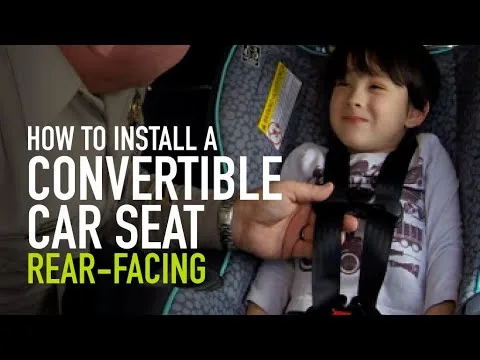
Rear-facing is the law and the recommendation until at least age 2, but ideally longer (most convertible seats now allow rear-facing up to 40-50 pounds). Here’s what you need to nail:
- The seat must be installed at the correct recline angle (usually between 30 and 45 degrees), check the indicator built into the base
- The harness should be snug: you shouldn’t be able to pinch any slack at the shoulder
- The chest clip should be at armpit level, not at the belly
- The seat expires, typically 6 to 10 years from the manufacture date. Plastic degrades over time, making it less safe in a crash
For help, find a certified Child Passenger Safety Technician near you. Many fire stations and hospitals host free installation checks. The NHTSA maintains a search tool for car seat inspection stations.
Use it. A poorly installed car seat is the most common safety mistake new parents make.
Diapering Basics: What You Actually Need (and What You Don’t)
Newborns go through 8 to 12 diapers a day. That’s roughly 300 in the first month alone. You don’t need a fancy diaper pail, a wipe warmer, or 17 creams.
Here’s the real list.
Disposable vs. Cloth: A Honest Look at Newborn Reality
| Factor | Disposable | Cloth |
|---|---|---|
| Monthly cost (first 3 months) | $70-$90 | $20-$50 (plus upfront cost of 20-30 diapers) |
| Changes per day | 10-12 | 10-12 |
| Leak risk | Low if fitted correctly | Medium (depends on absorbency and fit) |
| Laundry | None | 1-2 extra loads every 2-3 days |
| Eco impact | High landfill waste | Lower if washed efficiently, but water/energy use |
| Best for | Busy parents, travel, overnight | Families committed to reducing waste, budget long-term |
Both work. The real decision comes down to lifestyle and budget. If you’re on the fence, start with disposable for the first few weeks, then switch once you’ve caught your breath.
Many parents do a hybrid, cloth at home, disposable when out.
Diaper Rash Prevention and the Right Wipes
Most diaper rash happens because a wet or dirty diaper sits too long against baby’s skin. Prevent it by:
- Changing immediately after a bowel movement (babies poop more than you’d believe)
- Using fragrance-free, alcohol-free wipes, avoid anything with added scents or lotions
- Applying a barrier cream with zinc oxide at the first sign of redness
- Letting the diaper area air dry for a few minutes during changes
Skip the baby powder. The American Academy of Pediatrics strongly advises against talc-based powders because they can be inhaled and cause lung damage. Cornstarch-based powders aren’t great either, they can trap moisture.
A good zinc oxide cream is all you need.
Feeding Essentials: Breast, Bottle, or Both
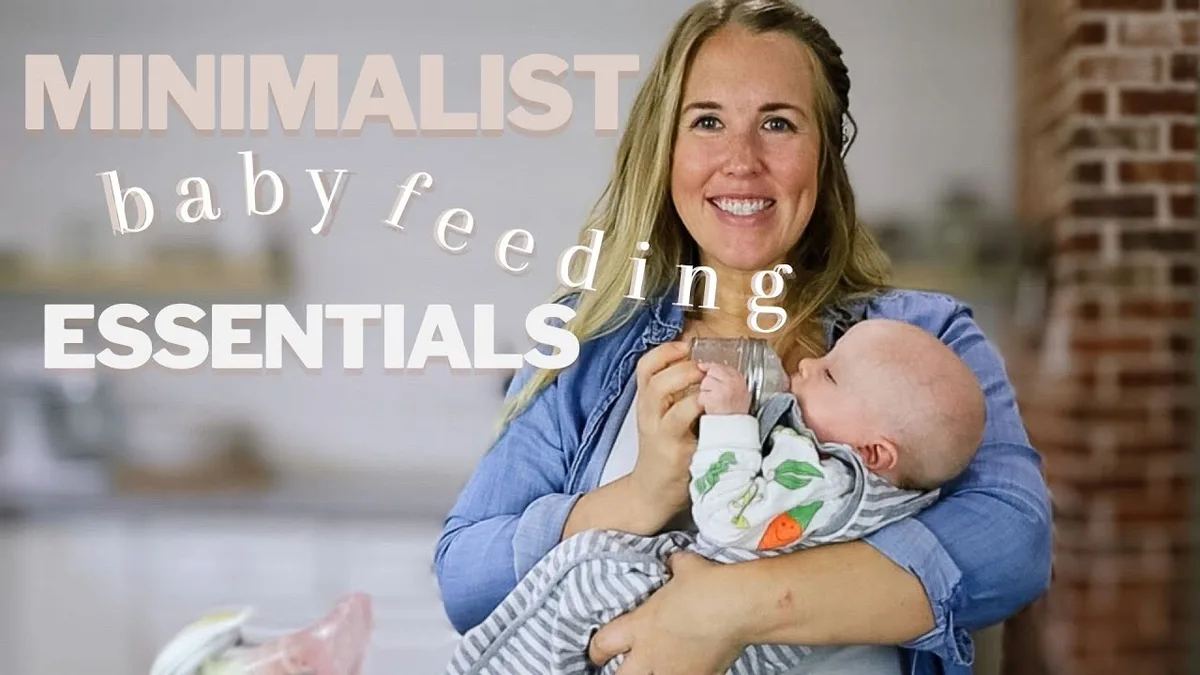
Feeding a newborn is a 24/7 job. Whether you breastfeed, formula feed, or combine both, the right gear makes it manageable.
Breast Pump Choices: Manual, Electric, or Hospital-Grade
If you plan to breastfeed, a pump is essential, not just for returning to work but for relieving engorgement, building a stash, or letting your partner help feed. Here’s the breakdown:
- Manual pump: Cheap ($15-$40), quiet, portable. Good for occasional use. But your hand will tire fast, and it’s slower than electric.
- Double electric pump: Most common choice ($100-$300). Efficient, pumps both breasts simultaneously in 10-15 minutes. Look for one that’s closed-system (prevents milk from backing into the motor) and has adjustable suction levels.
- Hospital-grade pump: Heavy-duty rental ($50-$100/month). Best for low milk supply, premature babies, or establishing supply in the early weeks. Not necessary for most families.
Check with your insurance, under the Affordable Care Act, most plans cover a breast pump free of charge. You can often get one before the baby arrives, which is smart because you won’t want to run to the store at 3 AM when your milk comes in.
Bottles and Nipples: Anti-Colic, Slow Flow, and Material Safety
Not all bottles are created equal. Newborns need a slow-flow nipple (usually labeled “Level 1” or “Slow Flow”) to prevent gulping, choking, and gas. Anti-colic features, like internal venting systems that reduce air ingestion, can make a real difference for fussy babies.
Material-wise, options include:
- Plastic (BPA-free, phthalate-free): Lightweight, shatter-resistant. Replace every 3-4 months as they can scratch and harbor bacteria.
- Glass: Durable, non-toxic, easy to sanitize. Heavier and breakable, but many parents swear by them.
- Stainless steel: Rare but growing in popularity. Insulated (keeps milk cold), but expensive and harder to find.
Whichever you choose, buy only 3-4 bottles at first. Newborns are picky. Some prefer a certain nipple shape or flow.
Wait until you know what your baby accepts before stocking up.
Formula Feeding: What You Need Beyond the Can
If you formula-feed (exclusively or as a supplement), you need more than just formula. Essentials include:
- A bottle warmer (optional but helpful, room temperature water works too)
- A sterilizer or a large pot for boiling water; follow CDC guidelines for sterilizing bottles before first use
- A formula dispenser for on-the-go
- Enough ready-to-feed liquid formula for the first few weeks if you’re concerned about mixing accuracy
Powdered formula is cheaper but must be mixed with safe water (boiled and cooled to 70°C if your baby is under 3 months, has a weakened immune system, or if your water supply isn’t sterile). Ready-to-feed is more expensive but zero-prep, great for travel and middle-of-the-night feeds.
Soothing and Swaddling: Tools That Help Everyone Sleep
A newborn’s nervous system is still figuring out how to regulate itself. The startle reflex (Moro reflex) wakes them up constantly. Swaddling helps.
So does rhythmic motion and white noise. But safety comes first.
Swaddle Blankets vs. Sleep Sacks vs. Velcro Wraps
| Type | Ease of use | Safety notes | Best for |
|---|---|---|---|
| Traditional swaddle blanket | Medium (takes practice) | Must be snug but not too tight; stop when baby shows signs of rolling | Parents who want flexibility and breathability |
| Velcro or zip swaddle | High | Same rolling rule applies; ensure no loose fabric near face | Sleep-deprived parents who need quick, consistent wrapping |
| Wearable blanket / sleep sack | High | No rolling restriction — safe from birth onward | Babies who can roll, or parents who prefer no swaddle |
The AAP says once a baby shows any signs of rolling (usually around 2-4 months), stop swaddling immediately. Switch to a sleep sack. Sleep sacks can be used from day one and are safer because they don’t restrict the arms in a way that could trap a baby who rolls.
Pacifiers: Safety Rules You Shouldn’t Skip
Pacifiers aren’t just for soothing, research suggests they reduce the risk of SIDS when used during sleep. But they come with rules:
- Use a one-piece, orthodontic pacifier (no detachable parts that could become a choking hazard)
- Never attach a pacifier to a string, clip, or stuffed animal, that’s a strangulation risk
- Replace pacifiers every 2 months or sooner if the silicone looks worn or sticky
- Don’t dip pacifiers in sugar or honey, honey can cause infant botulism
- Stop using pacifiers around 6-12 months to avoid dental issues
If your baby is bottle-fed, consider offering a pacifier between feeds to satisfy non-nutritive sucking without overfeeding. Breastfed babies can typically wait 3-4 weeks before introducing a pacifier to avoid nipple confusion, but many hospitals offer them from day one, just follow your pediatrician’s advice.
Bathing and Grooming: Simple, Safe, and Stress-Free
Newborns don’t need daily baths. Two to three times a week is plenty until they start crawling. Sponge baths are safest until the umbilical cord stump falls off (usually in 1-3 weeks).
After that, you can move to a baby bathtub with a sling or insert.
What You Actually Need for Bath Time
- A plastic baby tub with a non-slip surface and a sling for newborns
- A washcloth and mild, fragrance-free baby soap (no bubble bath)
- A separate cup for rinsing to keep water away from the face
- Hooded towels for warmth
- A room-temperature space (no drafts)
Water temperature matters: aim for 100°F (38°C). Test it with your wrist or elbow, it should feel warm, not hot. The CDC recommends keeping your water heater set below 120°F to prevent accidental scalding.
Aggregate reviews report that many parents find a digital bath thermometer helpful for peace of mind.
Nail Care, Nasal Aspirators, and Thermometers
Newborn nails grow fast and are sharp. File them rather than clip them for the first few weeks. Baby nail files (soft emery boards) are safer than clippers until you’re comfortable.
The best time to file is right after a bath when nails are softer, or while baby is sleeping.
Nasal congestion is common because newborns can’t blow their noses. A bulb syringe works but many parents find it hard to clean. The NoseFrida style (parent sucks through a filter) is more hygienic and effective per many pediatrician recommendations.
Clean it after each use.
For fever checks, a rectal thermometer is the most accurate for infants under 3 months. The AAP advises against ear or forehead thermometers for newborns. Use a digital rectal thermometer with a flexible tip and lubricant.
If you’re learning the ropes of daily care, the taking care babies method offers a structured routine that can reduce overwhelm.
Monitoring Your Baby: Audio, Video, or Keep It Simple
Monitors are a personal choice. Audio-only is fine if your baby sleeps in the same room. Video becomes useful once baby moves to a separate nursery.
Audio vs. Video: What You Need
- Audio-only: Cheap ($20-$50), reliable battery life, no hacking risk. Good enough for hearing cries and breathing changes.
- Video (non-WiFi): Mid-range ($60-$150). Shows you if baby is actually asleep or just fussing. No smart device needed. More secure than WiFi models.
- WiFi video: Convenient to check from your phone while out, but carries privacy risks. Use a strong password and keep firmware updated.
Whatever you choose, avoid monitors with a low-battery warning that’s easy to miss. A dead monitor on a night you need it is frustrating. Also skip “movement sensors”, they can give false peace of mind and are not a substitute for safe sleep practices.
Per the AAP, the safest monitoring is your own eyes and ears. A monitor is a convenience, not a medical device.
The Diaper Bag and Travel Setup: Practical Picks
Your diaper bag is your mobile command center. It needs to hold diapers, wipes, a change of clothes, burp cloths, feeding supplies, and a changing pad. The best design is a backpack-style bag, it keeps your hands free for the car seat or stroller.
What to Pack for a Day Out
- 2-3 diapers per hour you’ll be out (estimate high)
- A full pack of wipes
- One change of clothes per baby, plus an extra shirt for you
- A waterproof changing pad
- A small bag for dirty clothes or diapers
- Feeding supplies: bottles with pre-measured water and a travel formula dispenser, or nursing cover
- Pacifier in a clean case
- Hand sanitizer and rash cream
Skip the diaper bag that looks like luggage. You’ll be lifting it in and out of the car constantly. Lightweight, machine-washable fabric is better than leather.
Many parents find a dedicated “car diaper kit” useful for quick trips, a smaller bag that stays in the trunk.
Common Newborn Product Mistakes (and How to Avoid Them)
Even experienced parents make these errors. Knowing them ahead of time can save you money and stress.
Buying Secondhand Without Checking Recalls and Expiration
Secondhand is fine for clothes and furniture, not for car seats or cribs. Car seats expire. Plastic degrades with heat and cold.
You don’t know if a used seat was in a crash (even minor). Cribs need to meet current CPSC standards, older drop-side cribs are banned. Always check the CPSC recall database before buying any used baby gear.
Overheating, Loose Bedding, and Unsafe Sleep Surfaces
The most common sleep mistake is putting too much on the baby. A safe rule: dress your newborn in one more layer than you’d be comfortable in. If you’re in a t-shirt, baby wears a onesie and a sleep sack.
Check for sweating or a flushed neck. Loose blankets, crib bumpers, pillows, and stuffed animals are always unsafe, period.
Overbuying Before You Know Your Baby’s Preferences
You don’t need three types of swaddles or five brands of bottles. Babies have opinions. Buy one or two of each and see what sticks.
Many parents end up with closets full of unused items because they bought everything recommended by influencers. The how to care for a circumcised baby guide covers specific product needs for that situation, but otherwise, keep it minimal.
When to Seek Professional Help (Car Seat Checks, Lactation, Pediatrician)
You don’t have to figure this out alone. Several resources exist to ensure you’re using products correctly.
Car Seat Installation Assistance
Seven out of ten car seats are installed incorrectly, per NHTSA studies. Find a certified Child Passenger Safety Technician. Many fire stations, police departments, and children’s hospitals offer free checks.
Bring both the car seat and the vehicle manual. The technician will check the recline angle, harness tightness, and base installation.
Lactation Support
If breastfeeding is painful, if your baby isn’t gaining weight, or if you have concerns about supply, see a lactation consultant. Many hospitals have them on staff. La Leche League offers free meetings.
Most insurance plans cover lactation services. Don’t wait, early intervention makes a big difference.
Pediatrician Checkups
Your baby’s first checkup is within 3-5 days of leaving the hospital. The pediatrician will check weight, feeding, and jaundice. Bring your car seat installation questions.
They can also advise on formula, pacifier use, and any product concerns you have.
If you’re struggling with soothing your baby in the car, calming a baby in a car seat has targeted strategies that work.
A Sparse, Safe, and Smart Newborn Registry Checklist
Your registry should focus on safety-certified items you’ll use daily. Skip the cute extras until you know your baby’s personality.
Here’s the short list:
- CPSC-approved crib or bassinet with firm mattress and two fitted sheets
- Rear-facing car seat (infant bucket or convertible)
- 3-4 slow-flow bottles and a breast pump (if nursing)
- 30-40 newborn diapers (stock 1-2 boxes) and fragrance-free wipes
- Sleep sacks in two weights (0.5 tog for warm, 1.0-2.5 for cool)
- Pacifiers (one-piece orthodontic, 2-3)
- Digital rectal thermometer, nail file, nasal aspirator
- Diaper rash cream with zinc oxide, fragrance-free baby soap
- Backpack-style diaper bag and waterproof changing pad
Frequently Asked Questions
How many newborn diapers should I buy?
Start with one box of 120-140 newborn diapers. Most babies move to size 1 within 3-4 weeks. You can always buy more.
Avoid stockpiling too many of one size.
Do I need a wipe warmer?
No. Wipe warmers are not essential and can dry out wipes. Room-temperature wipes are fine.
If your baby seems bothered by cold wipes, warm them in your hand for a second.
When should I stop swaddling?
Stop swaddling as soon as your baby shows signs of rolling. This usually happens between 2 and 4 months. Switch to a sleep sack for safe sleep afterward.
Final Thought: Trust the Basics, Skip the Gimmicks
The best newborn products are the ones that meet safety standards, fit your lifestyle, and don’t add clutter. If a product claims to do something the AAP says not to do, trust the pediatricians. Stick with the short list.
Your baby needs your attention more than any gadget.