Newborn Essentials: The Complete Must-Have Checklist
You walk into the baby aisle and suddenly feel like you need a translator. Crib bumpers, sleep sacks, bottle warmers, wipe warmers, diaper stackers, changing tables that look like furniture. The registry checklists are screaming at you from every direction.
But when you strip away the marketing fluff, what do you actually need for a newborn? That's the question that keeps new parents up at night long before the baby arrives. The real answer is shorter than you think.
The must haves for a newborn fall into a surprisingly small set of categories: safe sleep, feeding, diapering, basic clothing, and health monitoring. According to the American Academy of Pediatrics, a safe sleep environment alone can cut the risk of Sudden Infant Death Syndrome by over 50%. That's not a small number.
It's the difference between a nursery full of gadgets and a nursery that actually protects your baby. So let's walk through the essentials with safety and sanity in mind.

Image source: YouTube / IntermountainParents (YouTube thumbnail (fair-use with source credit))
Quick Answer
A newborn needs a safe sleep space, a rear-facing car seat, diapers, wipes, feeding supplies, and basic grooming tools. That's it. Skip the crib bumpers, weighted swaddles, and extra clothes.
Focus on safety first. The AAP recommends room sharing for six months. Buy a firm mattress and a tight sheet.
Everything else is optional.
Why Getting the Right Newborn Gear Matters (and Why Safety Comes First)
Every year, the Consumer Product Safety Commission recalls thousands of baby products. Some are dangerous because of design flaws. Others are dangerous because parents don't realize how to use them safely.
The stakes are real. A crib that looked beautiful in a catalog can become a suffocation hazard if the mattress is too soft or the slats are too wide.
You're not being paranoid by double-checking gear. You're being responsible. As of 2026, the AAP still firmly recommends bare cribs, firm mattresses, and no soft bedding for the first twelve months.
That means no pillows, no blankets, no stuffed animals. A sleep sack is the only acceptable alternative to a loose blanket. In our research, the number one mistake new parents make is buying too much stuff they end up returning or, worse, using unsafely.
Stick with the verified essentials and you'll sleep better too.
The Real Must-Haves: What You Actually Need in the First Month
Let's break this down into five clear categories. Each one has a few non-negotiable items and several strong recommendations.
Safe Sleep Setup: Bassinet, Crib, and Sleep Sacks
Your newborn will spend about 16 to 17 hours a day sleeping, in short chunks. That means the sleep space is the single most important purchase you'll make. A bassinet works well for the first few months because it's portable and fits next to your bed.
But a crib works from day one and lasts years.
What matters most is the mattress. Firm is the keyword. A firm infant mattress doesn't indent when you press your hand into it. You should be able to place a fitted sheet over it tightly.
No gaps. No memory foam. The crib slats should be no more than 2 3/8 inches apart.
That's the CPSC standard. A sleep sack with the correct tog rating (0.5 for warm rooms, 1.0 for average rooms) replaces the need for loose blankets. No pillows, no bumpers, no wedge.
Feeding Essentials: Breast or Bottle, Pump and Supplies
Whether you breastfeed, formula feed, or combine both, you need a few basics. For breastfeeding, a quality breast pump is often covered by insurance under the Affordable Care Act. Check your plan.
You'll also need storage bags or bottles and a few different flange sizes. Most pumps come with a standard 24 mm or 28 mm flange, but in our research, many women need a different size. Measure the nipple diameter before you buy extras.
For bottle feeding, start with slow-flow nipples. Newborns need to work for the milk, not have it pour into their mouths. A small pack of 4 to 6 bottles is enough to start.
Glass bottles are heavier but easier to clean and don't leach chemicals. Plastic bottles are lighter and shatterproof. Both are safe as long as they're BPA-free.
You'll also need a bottle brush, a small drying rack, and a way to sterilize (boiling water works fine).
Diapering Basics: Diapers, Wipes, and Cream
Newborns go through 8 to 12 diapers a day. That's roughly 250 to 360 in the first month. Stock at least two boxes of newborn-size diapers.
Many babies outgrow newborn size within weeks, so don't go overboard. Have a few packs of size 1 ready too.
Wipes should be fragrance-free and water-based. The pH should be between 4.5 and 5.5 to protect the skin barrier. For diaper cream, a zinc oxide formula (at least 15 or 20 percent) works best for prevention and treatment.
You don't need a fancy diaper stacker or a wipe warmer. A simple changing pad with a washable cover is sufficient.
Clothing and Laundry: What Fits and What Doesn't
Here's the truth: newborns outgrow clothes faster than you can wash them. It's tempting to buy cute outfits, but you'll live in onesies and footed sleepers. Get 6 to 8 onesies in size 0-3 months.
Avoid "newborn" size unless your baby is small; most babies hit 8 pounds at birth and newborn sizes fit only for a week or two.
Use a fragrance-free, dye-free laundry detergent. Baby-specific detergents are mostly marketing, a gentle, hypoallergenic adult detergent works just as well. Wash all new clothes before use to remove factory chemicals and starches.
Bathing, Grooming, and Health Monitoring
You don't need a fancy spa tub. A simple plastic baby bathtub with a sling or insert is enough. The water temperature should be around 100°F (test with your elbow).
For the first week or two, sponge baths until the umbilical stump falls off. After that, tub baths are fine.
You'll need a digital rectal thermometer for accurate temperature readings in infants under three months. Forehead and ear thermometers are convenient but less reliable. A nasal aspirator (bulb syringe is cheap and works, but the electric ones are easier to use when baby fights you).
Nail clippers with a file, newborns have razor-sharp nails and scratch their faces easily. File them while they sleep.
How to Set Up a Safe Sleep Environment (AAP-Based)
The AAP's safe sleep guidelines are not suggestions. They are evidence-based recommendations that have reduced SIDS deaths by more than 50% since the 1990s. Your baby's sleep space must meet these rules.
Back to Sleep, Alone in a Crib, No Soft Bedding
Place your baby on their back for every sleep. That includes naps and nighttime. The "back to sleep" recommendation is the single most effective way to prevent SIDS.
Side sleeping is not safe. Never place a baby on their stomach unless a doctor advises it for a specific medical condition.
The crib should be bare. No bumper pads, no pillows, no blankets, no stuffed animals, no sleep positioners. A fitted sheet is the only thing on the mattress.
If you want to add an extra layer, use a wearable blanket (sleep sack) instead of a loose blanket. Make sure the sleep sack fits snugly around the chest and arms but leaves legs free to move.
Room Sharing vs. Co-Sleeping: What's Actually Recommended
The AAP recommends room sharing for the first six months, ideally the first year. That means your baby sleeps in the same room as you, but in their own separate sleep space, a bassinet or crib next to your bed. This arrangement reduces the risk of SIDS by up to 50% compared to sleeping in a separate room.
Co-sleeping (sharing your adult bed) is not recommended. The adult bed has soft mattresses, pillows, blankets, and gaps where a baby can become trapped. The risk of suffocation and entrapment is significant.
If you're worried about falling asleep while feeding, set up a safe alternative: feed your baby in a chair, then place them back in the bassinet when you're done. Room sharing is safe. Bed sharing is not.
Swaddling Safely: When to Stop and What to Use Instead
Swaddling can help newborns sleep longer and feel secure. But it must be done safely. The swaddle should be snug around the arms but loose around the hips and legs.
The hips should be able to move freely to prevent hip dysplasia (a condition called developmental dysplasia of the hip). Many pediatricians now recommend swaddles with a "hip-healthy" design.
Stop swaddling as soon as your baby shows signs of rolling over. That can happen as early as two months. Once a baby can roll, a swaddle becomes a suffocation risk because the baby can't use their arms to push up if they roll onto their stomach.
The alternative is a sleep sack (wearable blanket) that leaves arms free. Sleep sacks are safe for the entire first year.
Car Seat Safety: Installation, Expiration, and Common Mistakes

Image source: YouTube / CarsGuide (YouTube thumbnail (fair-use with source credit))
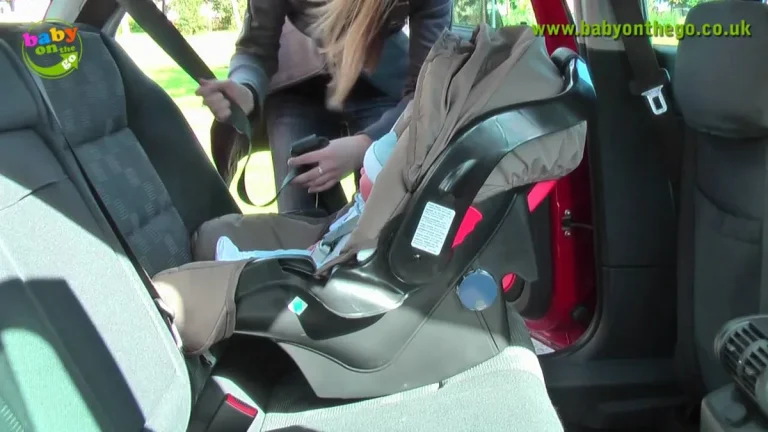
Car crashes are a leading cause of death for children in the United States. A properly installed car seat reduces the risk of injury by over 70% for infants. That's why car seat safety is not optional, it's as important as the car itself.
Rear-Facing Only: The Only Safe Position for a Newborn
Infants must ride rear-facing from birth until they reach the maximum weight or height limit of their car seat. For most convertible seats, that's 40 to 50 pounds. The AAP recommends keeping children rear-facing for as long as possible.
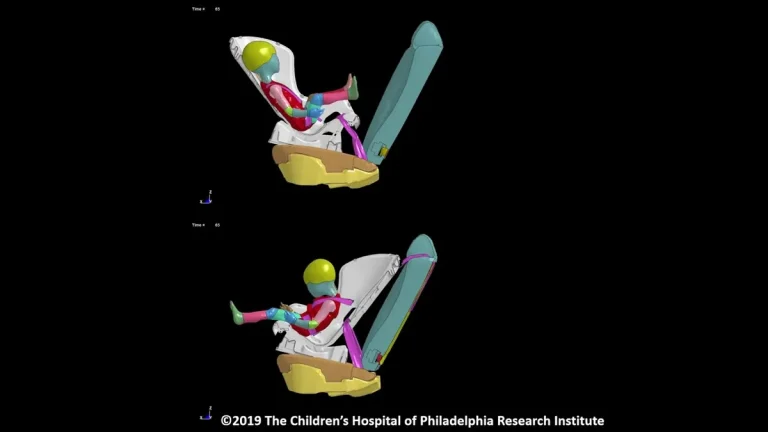
Rear-facing protects the head, neck, and spine in a crash because the force is spread across the shell of the seat.
Never turn your baby forward-facing before the age of two. Even if they seem cramped, rear-facing is safer. Many convertible seats now accommodate rear-facing up to 50 pounds, which means many children can stay rear-facing until age four or beyond.
LATCH vs. Seat Belt: Which One to Use
Both LATCH and the vehicle seat belt are safe when used correctly. The LATCH system (Lower Anchors and Tethers for Children) has weight limits. Once the combined weight of your child and the car seat exceeds 65 pounds, you must use the seat belt instead.
Check your car seat manual and vehicle manual.
A common mistake is using both LATCH and the seat belt at the same time. Don't. Use one or the other.
Also, the car seat should not move more than an inch side to side or front to back at the belt path after installation. Many parents install too loosely. In our research, over half of all car seats are installed incorrectly.
Get your installation checked at a local fire station or by a certified child passenger safety technician (find one through the NHTSA website).
Thick Coats and Car Seats: A Deadly Combination
Here's something that catches many parents off guard: a thick winter coat or a puffy snowsuit can create dangerous slack in the harness. In a crash, the coat compresses, leaving the baby loose. The harness straps must be snug against the child's body, you should not be able to pinch any slack at the collarbone.
Instead of a puffy coat, dress your baby in thin layers: a onesie, a fleece jacket, and a blanket over the top after the harness is buckled. Or use a car seat cover that fits over the seat after buckling, not under the baby. Never put any padding or aftermarket inserts under the harness straps.
Feeding: Breastfeeding, Formula, or Combo – Gear You Really Need
Feeding a newborn is a full-time job. During the first few weeks, you'll feed every 2 to 3 hours around the clock. That's 8 to 12 feeds per day.
The gear you need depends on your feeding method, but every parent needs a few versatile items.
Breast Pumps: Choosing Flanges and Storage
If you plan to breastfeed and return to work, a double electric breast pump is essential. Many hospitals provide hospital-grade pumps for rent, but consumer pumps from major brands work well for most families. The most critical factor is the flange size.
A flange that's too big or too small can reduce milk output and cause nipple pain. Measure your nipple diameter before ordering parts. Most pumps come with 24 mm and 28 mm flanges.
If you need a 21 mm or 30 mm flange, buy it separately.
Store breast milk in BPA-free storage bags or bottles. Label each bag with the date. Breast milk can be stored in the refrigerator for up to four days and in the freezer for up to six months.
Use a dedicated cooler bag with ice packs if you're pumping at work or on the go.
Bottle Feeding: Nipple Flow, Sterilization, and Prep
Start with slow-flow nipples. Newborns need to control the flow to avoid choking and gas. As they grow, you can move to medium or fast flow.
Glass bottles are heavier but easier to clean and don't harbor odors. Plastic bottles are lighter and safer for older babies who drop things. All bottles should be BPA-free.
Sterilize bottles, nipples, and pump parts before the first use. After that, hot soapy water with a bottle brush is sufficient. You don't need a separate sterilizer unless you prefer one.
A microwave sterilizer bag works well for quick sanitizing. When traveling, pack ready-to-feed formula or pre-measured powder in a portable dispenser.
Burping and Spit-Up: Tools That Save Your Clothes
Newborns spit up frequently. It's normal. The key is to protect your clothes and the baby's clothes.
Burp cloths (also called receiving blankets or muslin cloths) should be absorbent and abundant. Aim for 10 to 15. You can also use cloth diapers for larger jobs.
Keep one on your shoulder and one on the changing area at all times.
A good burping technique helps reduce spit-up: hold the baby upright against your chest, support the head, and gently pat the back. Burp after every ounce of formula or after every breast. If the baby seems uncomfortable, burp more often.
No gadget replaces a good burp cloth and a patient parent.
Diapering and Diaper Rash Prevention
Newborns soak through 8 to 12 diapers a day. That's roughly one change every two hours. Stock up on diapers, wipes, and cream, but don't overthink the system.
Diaper Type: Disposable vs. Cloth – Pros and Cons
| Factor | Disposable | Cloth |
|---|---|---|
| Cost over first year | $800–$1,200 | $300–$800 (plus laundry) |
| Prep time | Open and use | Wash and dry every 2–3 days |
| Leak protection | Good with right fit | Requires proper folding |
| Rash frequency | Slightly higher | Lower with frequent changes |
Both work. Choose based on your budget, time, and laundry tolerance. In our research, many parents start with disposables for the first month when the baby is tiny and poop is frequent.
Then they switch to cloth later if they want to reduce waste.
Wipes, Cream, and Frequency: What Works Best
Use water-based, fragrance-free wipes. The pH should be between 4.5 and 5.5. Apply a zinc oxide cream (at least 15% zinc) at every change to prevent rash.
If a rash appears, increase cream thickness. Change diapers immediately after a bowel movement to minimize skin irritation.
A common mistake is wiping too hard. Use gentle patting motions. Air drying for a few minutes before putting on a fresh diaper also helps prevent rashes.
Bathing and Grooming Basics

Image source: YouTube / BabyGrowthDiary (YouTube thumbnail (fair-use with source credit))
Give your newborn a sponge bath until the umbilical stump falls off (usually in 1 to 2 weeks). After that, a small plastic tub with a sling works well. Water temperature should be around 100°F.
Use your elbow to test it.
You only need a mild, fragrance-free baby wash. No soap on the face. Use a soft washcloth.
After the bath, pat dry thoroughly, especially in skin folds. Apply a plain moisturizer if the skin is dry.
For nail care, use baby nail clippers or a fine emery board. Trim straight across while the baby is asleep. You'll be surprised how fast those little nails grow.
For a stuffy nose, a nasal aspirator (bulb syringe or electric) before feeds can help them breathe and eat more comfortably.
Mistakes Even Experienced Parents Make (And How to Avoid Them)
You've probably seen lists of "must-haves" that include crib bumpers, walkers, and sleep positioners. All of these are dangerous and not recommended. Here are the most common errors we see:
- Overbuying clothes. Newborns grow fast. Stick with 6, 8 onesies in size 0, 3 months. Skip newborn size unless your baby is under 7 pounds.
- Using secondhand car seats. They expire. The plastic degrades in heat and cold. Never use a car seat older than 6 years or one that's been in a moderate or severe crash.
- Putting pillows or blankets in the crib. Even soft toys increase suffocation risk. A bare crib is the only safe option.
- Misinstalling the car seat. Over half of all car seats are installed too loosely. Get it checked by a certified technician.
When to Call the Pediatrician (Not a Google Search)
You can't diagnose a baby's illness by scrolling through forums. Trust your gut, but know these specific red flags:
- Fever: For babies under 3 months, any temperature over 100.4°F (rectal) is an emergency. Call immediately.
- Jaundice: If the skin or whites of the eyes turn yellow, especially in the first week, get a bilirubin check.
- Dehydration: Fewer than 6 wet diapers in 24 hours, or dark yellow urine after day 3.
- Lethargy: If the baby is difficult to wake or too sleepy to feed, that's a big warning sign.
- Feeding refusal: If they miss more than two feeds in a row without a clear reason.
Your pediatrician's office has a nurse line. Use it. It's free and faster than frantic Googling.
The Final Verified Checklist: What to Buy, What to Skip, and Why
Here's the minimalist list for the first 8 weeks:
| Must-Have | Quantity | Why |
|---|---|---|
| Bassinet or crib with firm mattress | 1 | Safe sleep space |
| Car seat (rear-facing) | 1 | Legal requirement |
| Diapers (newborn + size 1) | 2–3 boxes | 8–12 changes/day |
| Wipes (fragrance-free) | 2–3 bulk packs | Every change |
| Diaper cream (zinc oxide) | 1 tube | Prevents rash |
| Onesies + footed sleepers (0–3 mo) | 6–8 each | Daily wear |
| Swaddle or sleep sack | 2–3 | Safe sleep |
| Bottles + slow-flow nipples | 4–6 | Feeding |
| Breast pump (if breastfeeding) | 1 | Insurance covered |
| Burp cloths | 10–15 | Spit-up cleanup |
| Digital thermometer (rectal) | 1 | Accurate readings |
| Nasal aspirator | 1 | Congestion relief |
| Baby nail clippers | 1 | Prevent scratches |
Skip these: crib bumpers, sleep positioners, weighted swaddles, baby walkers, wipe warmers, bottle warmers, separate diaper stacker (use a basket), and newborn-size clothes beyond 2, 3 pieces.
Your baby needs safety, feeding, and cleaning. Everything else is optional. Start with this list, then add only when you find a genuine gap.
Quick Answers to Common Newborn Gear Questions
Do I need a bassinet or can I go straight to a crib?
A bassinet is optional. It saves space and keeps your baby close for room sharing. But a crib works from day one and lasts years.
If you choose a bassinet, transition to a crib when your baby reaches the weight limit or starts rolling over per the AAP's safe sleep guidelines.
How many diapers should I really stock?
Buy two boxes of newborn size (about 140 diapers total) and one box of size 1. You'll need 8 to 12 changes daily. If you run low, most stores offer fast delivery.
Avoid overstocking because newborns grow fast.
What's the safest way to wash baby's clothes?
Use a fragrance-free, dye-free laundry detergent. A hypoallergenic adult detergent works well. Wash all new clothes before first use to remove factory chemicals.
No fabric softener or dryer sheets either.
Frequently Asked Questions
Can I use a car seat that was in a minor crash?
No. Replace any car seat that has been in a moderate or severe crash. Even minor crashes can create invisible damage.
The NHTSA recommends replacement after any crash with airbag deployment or visible damage.
How often should I sterilize bottles and pump parts?
Sterilize before first use only. After that, hot soapy water with a dedicated bottle brush is enough. If your baby is premature or has a weakened immune system, boil parts for five minutes daily.
Otherwise, once a week is fine.
Is it okay to let my baby sleep in a bouncer or swing?
No. The AAP warns against using any inclined product for unsupervised sleep. Babies should sleep on a firm, flat surface with no incline greater than 10 degrees.
A bouncer or swing is fine for supervised awake time only.
What temperature should my baby's room be for sleeping?
Keep the room between 68°F and 72°F. Overheating increases SIDS risk. Dress your baby in one more layer than you'd wear yourself.
Check for sweating or a hot chest as signs of overheating.
For more on keeping your baby safe and calm in the car, see our expert advice on calming a baby in a car seat. And if you're wondering about safe sleep in car seats, we cover that too.
This is the complete guide. You now have a clear, safe list of newborn essentials and the knowledge to skip the dangerous extras. Trust the basics, trust the science, and trust yourself.
You've got this.