How to Calm Baby in Car Seat Fast and Safely
You know that feeling. You’re five minutes into a drive, already running late, and the sound coming from the back seat is pure distress. Your baby is screaming.
You can’t reach them. You can’t fix it. And the more you panic, the harder it gets to focus on the road.
Learning how to calm baby in car seat isn’t just about stopping the crying. It’s about keeping everyone safe. Distracted driving is dangerous driving, and a screaming infant is one of the biggest distractions a parent can face.
Per NHTSA guidelines, pulling over to address a crying baby is always safer than reaching backward at 45 mph. This article walks through what actually works, what’s unsafe, and how to tell the difference.
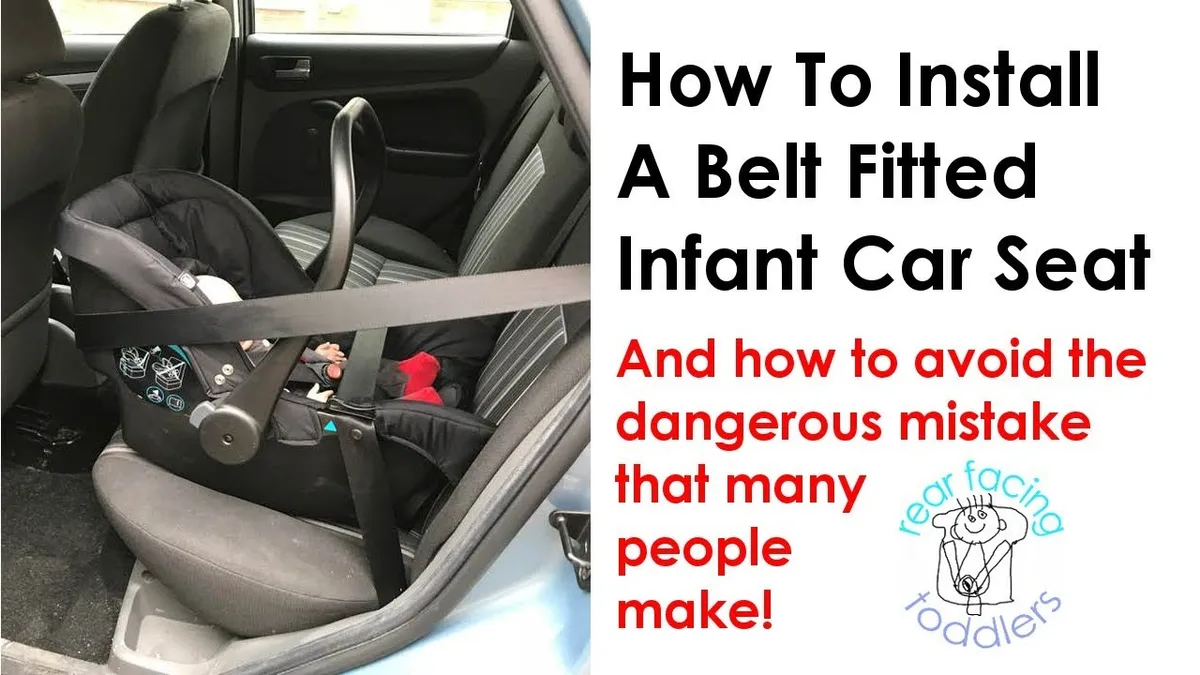
Image source: YouTube / Rear Facing Car Seats (YouTube thumbnail (fair-use with source credit))
Quick Answer
Calm a crying baby in the car seat by checking comfort first. Pull over at a safe spot if the crying escalates. Address hunger, temperature, or gas before rebuckling.
Never reach back while driving. Install the seat at the correct recline angle. Use thin layers, a pacifier, or white noise.
A properly adjusted harness prevents distress before it starts.
Why This Is a Safety Issue First
Let’s start with the uncomfortable truth. Every time you turn around to shush your baby while driving, you’re taking your eyes off the road for precious seconds. At 30 mph, that’s roughly 44 feet of travel with zero visual attention.
It only takes one unexpected stop to turn a bad moment into a serious accident.
The real risks go beyond distraction.
Positional asphyxiation is the biggest silent danger. It happens when a baby’s head slumps forward, chin to chest, cutting off their airway. Per NHTSA and the American Academy of Pediatrics, this is most common when the car seat recline angle is too upright or when an aftermarket insert pushes the baby’s head forward.
A crying baby might thrash into a worse position. A sleeping baby might simply stop breathing.
Overheating is another hidden threat. Babies regulate temperature poorly, especially in enclosed cars. A winter coat under the harness can push the straps loose in a crash, but it can also trap heat and raise the baby’s core temperature dangerously fast.
Summer heat is worse. A car interior can reach 115°F in minutes, even with windows cracked.
Driver panic is real and underdiscussed. We’ve all seen videos of parents crying in parking lots because their baby wouldn’t stop screaming. The stress can push anyone toward unsafe decisions: unbuckling the baby while the car is moving, pulling over on a highway shoulder, or leaving a baby in a hot car for “just a minute” to regain composure.
Here’s the bottom line. The safest approach to calming a baby in a car seat is prevention and a clear escalation plan. You need to know when to soothe, when to pull over, and when to head home.
Let’s break that down.
The Real Reason Your Baby Cries in the Car Seat
Babies don’t cry for no reason. They cry because something feels wrong. The car seat environment is a sensory overload.
The harness presses on their chest. The seat angles their body in a way they can’t control. The car moves in unfamiliar rhythms.
Understanding the root cause helps you pick the right solution.
Discomfort from the harness or recline angle
This is the most common and most overlooked culprit. If the car seat recline angle is too upright for a newborn, their head flops forward. That’s uncomfortable and scary for them.
If the harness straps are twisted, too loose, or riding up near the neck, it pinches or rubs. A properly installed seat with a level recline indicator should show the seat is at the correct angle, usually 30 to 45 degrees.
A quick check: if the baby’s head is consistently falling forward while they cry, your recline angle is likely wrong. Adjust the base or use a manufacturer-approved recline wedge if your seat allows it.
Overstimulation or understimulation
Some babies hate the car because it’s too much. Too bright, too loud, too much motion. Others cry because it’s too boring.
No movement, no parent, no interaction. You’ll know which type your baby is by their reaction to a simple test. If they settle when you start moving but cry at red lights, it’s the stillness they hate.
If they scream at highway speeds but calm down when you slow to 20 mph, they’re overstimulated by motion.
Hunger, gas, or reflux triggers
Babies with reflux often cry worse when laid flat in a car seat. The angle can push stomach acid up, especially right after a feed. A good rule: wait 20 to 30 minutes after a feed before buckling in.
Burp thoroughly. Keep a cloth handy for spit-up.
Gas is another big one. The seated position makes it harder for babies to pass gas. If they’re arching their back and pulling their legs up, they’re likely gassy.
Bicycle kicks before buckling can help clear the pipes.
Separation anxiety and motion sensitivity
Around six to eight months, babies start realizing you exist separately from them. Being strapped into a seat in the back where they can’t see you is genuinely distressing for some. A car seat mirror can help here, but only for visual reassurance.
Don’t use it as a reason to turn around while driving.
Motion sickness is less common in infants under 12 months, but some babies are sensitive. If your baby drools excessively, fusses, or vomits during longer rides, motion sensitivity might be the cause.
The Pre-Trip Checklist: Prevent Problems Before You Drive
The best solution is the one you never need. A calm baby starts before the engine turns on. This checklist takes about five minutes and can save an entire trip.
Check the basics before buckling
- Feed and burp at least 20 minutes before leaving. A full belly equals a sleepy baby, but a full belly right before buckling equals reflux and gas.
- Change the diaper. A wet or dirty diaper is a guaranteed screaming trigger. Yes, even a slightly damp one.
- Dress in thin layers. No puffy coats. No thick fleece. A cotton onesie, a light long-sleeve layer, and a blanket over the harness (after buckling) is the safest setup. Per NHTSA, bulky coats compress in a crash, creating dangerous slack in the straps.
- Temperature check. If the car has been sitting in the sun, crack the windows or run the AC for a minute before buckling. The seat can feel like a hot skillet. A car seat cover with a mesh panel (not a thick blanket) can keep the sun off while driving.
Verify the car seat installation
A crying baby is sometimes a poorly installed seat. Check three things before every trip:
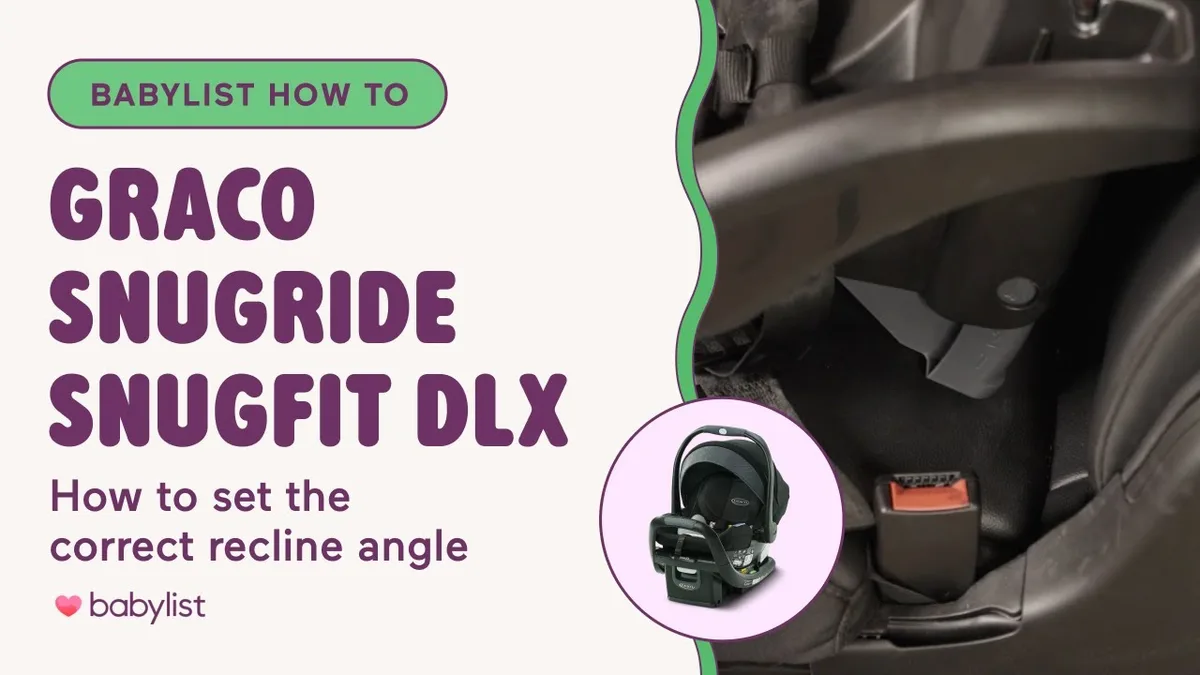
The recline angle. Look for the level line or indicator on the side of the seat. For newborns, that line should be parallel to the ground. If the seat is too upright, the base has a recline foot or adjustable plate that changes the angle.
Most convertible seats need to be fully reclined for infants.
The harness fit. Straps should be at or below the baby’s shoulders for rear-facing. The chest clip sits at armpit level. You should not be able to pinch any slack in the harness at the collarbone.
If you can, it’s too loose.
The base tightness. Grab the car seat at the belt path and give it a firm shake. It should not move more than one inch side to side or front to back. If it moves, reinstall or tighten.
Set up the car environment
This step is easy to skip and makes a huge difference.
- Temperature. Start the car, get the AC or heat running, then buckle the baby. A comfortable cabin prevents overheating shrieks.
- Sunshade. Rear-facing seats are lower in the car and less exposed, but direct sun through a side window can still make a baby squint, sweat, and cry. A mesh or fabric sunshade clips onto the window.
- White noise or music. Some babies love the hum of the engine. Others need shushing sounds. A white noise app on a phone, positioned safely in a cup holder, can be a lifesaver. Avoid loud music that startles them.
- Pacifier strategy. If your baby takes a pacifier, attach it to a clip that hooks onto their onesie or the harness. That way, if it falls middrive, you don’t have to fish around for it at a stoplight.
This pre-trip routine takes less than ten minutes and drastically reduces the odds of a crying meltdown before you hit the first turn.
Common Mistakes That Make Crying Worse
Even well-meaning parents make mistakes that escalate crying instead of stopping it. These are the most common ones, backed by safety research and real world experience.
Using aftermarket inserts that don’t meet safety standards
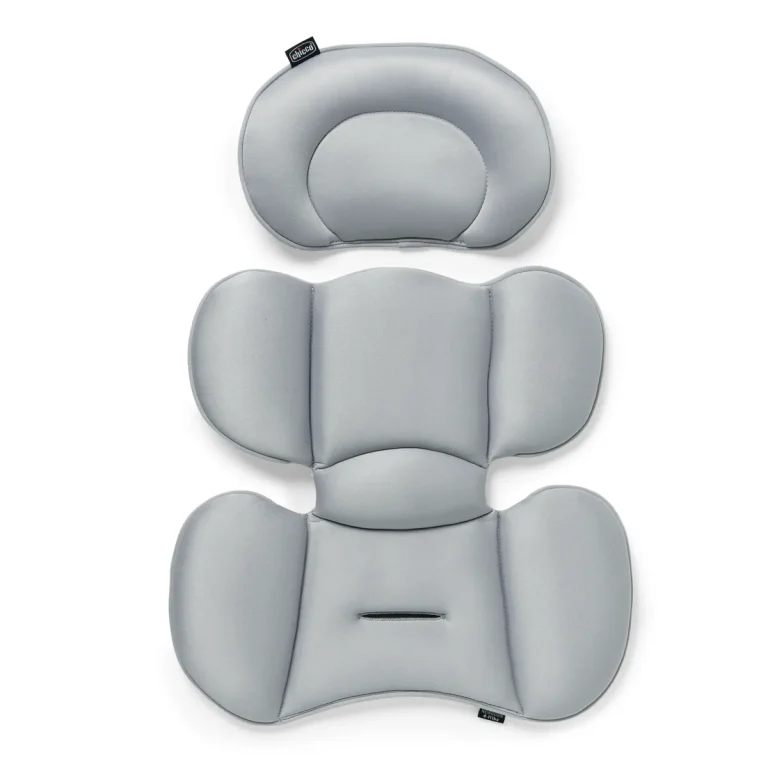
This is the number one mistake. Parents buy cozy looking head huggers, body cushions, and strap covers online or at baby stores. The problem: most of these are not crash tested with the car seat.
Per NHTSA, anything that did not come in the box with the seat can interfere with the harness fit and increase the risk of injury in a crash.
A thick padded head insert can push a baby’s head forward, risking airway restriction. A strap cover can create slack in the harness. If the product isn’t specifically approved by your car seat manufacturer, leave it out.
Overdressing or underdressing the baby
This is a Goldilocks problem. Too many layers, and the harness is impossible to tighten correctly. Too few, and the baby shivers, fusses, and cries.
The safest approach: dress the baby in one thin layer, like a cotton sleeper. Buckle them down, tighten the harness, then place a blanket over the baby after buckling. The blanket provides warmth without affecting harness tension.
If it’s freezing, use a car seat poncho or a travel bunting that goes over the harness, not under it.
Reaching back to adjust the baby while driving
It’s instinct. The baby cries, and your hand reaches behind you like it has a mind of its own. Don’t do it.
Research from the American Academy of Pediatrics estimates that reaching for an object in the back seat increases crash risk by three times. You don’t have to crash to cause injury. A sudden hard brake while twisted in your seat can strain your back, and the baby is still crying.
If you need to adjust something, pull over at a safe spot. Gas station, parking lot, residential street curb. Not the shoulder of a highway.
Letting the baby fall asleep in an unsafe head position
A sleeping baby is a quiet baby, and tired parents are tempted to leave them be. But a baby whose head has slumped forward, chin on chest, is in a dangerous position. That head slump can restrict airflow and cause oxygen levels to drop.
If you glance in the mirror and see the baby sleeping with their head tilted forward or to the side, don’t ignore it. Pull over, adjust the head to a neutral position, and check that the harness is snug. If the baby consistently slumps, the recline angle is wrong.
Fix that before the next trip.
How to Calm a Baby in the Car Seat: Step-by-Step Process
You’re driving, and the crying starts. Here’s exactly what to do, in order.
Step 1: Pause and assess. Is this a whimper or a full scream? A fussy sound might resolve on its own within 30 seconds. A shrieking cry needs attention.
Give it a brief moment before reacting. Some babies settle after a few seconds of protest.
Step 2: Use your voice. Talk or sing to your baby. A calm, rhythmic voice cuts through the noise. Keep your eyes on the road.
Say something simple like “I hear you, sweetie. We’re almost there.” The sound of your voice is often enough to stop the spiral.
Step 3: Try white noise. If talking doesn’t work, turn on a white noise track through the car speakers or a phone placed safely in a cup holder. The steady sound masks road noise and mimics the womb environment. Shushing sounds work particularly well for infants under three months.
Step 4: Hand back a pacifier (safely). If your baby uses a pacifier and it’s clipped to their onesie, you can sometimes reach it without twisting too far. But here’s the rule: if you have to turn your body more than a quarter of the way around, pull over. A misplaced hand on the wheel at highway speed is not worth a pacifier.
Step 5: Pull over if it escalates. This is not a failure. It’s the smartest move you can make. Find a safe spot: a parking lot, a residential street curb, a rest area.
Not the shoulder of a highway unless it’s an emergency. Once stopped, turn on your hazard lights and address the baby face to face.
Step 6: Diagnose the cause. Check the diaper. Check the temperature. Is the baby too hot?
Too cold? Are they arching their back or pulling up their legs? Those signs point to gas or reflux.
Burp them. Walk them around for a few minutes. Let them reset.
Step 7: Re-buckle carefully. Before driving again, check that the harness is snug, the chest clip is at armpit level, and the straps are flat against the baby’s body. No twists. No slack.
Then resume driving.
This process sounds simple because it is. The hard part is staying calm enough to follow it.
What to Do When Nothing Works
Some babies cry in the car no matter what you try. If you’ve checked the recline angle, the harness fit, the temperature, the diaper, and the feeding schedule, and your baby still screams every single ride, it’s time to dig deeper.
Could this be colic?
Colic is defined as crying for more than three hours a day, three days a week, for three weeks. If your baby’s car seat meltdowns are part of a larger pattern of inconsolable crying, especially in the late afternoon or evening, colic might be the cause. The good news: colic usually resolves on its own by three to four months.
The bad news: there’s no magic fix. Consistent soothing routines and patience are the only tools that work.
Could this be reflux?
Reflux is different from colic. Babies with gastroesophageal reflux spit up frequently, arch their backs, and cry when laid flat. The car seat angle might aggravate this.
If you suspect reflux, talk to your pediatrician. They may recommend keeping the baby upright for 20 to 30 minutes after feeds, using a car seat with a more reclined position, or in some cases, medication.
Could motion sickness be the culprit?
Motion sickness in babies is rare but real. It shows up as excessive drooling, fussing, paleness, or vomiting after a ride. If your baby seems fine at the start of a trip but gets progressively more upset as the car moves, motion sensitivity could be the issue.
Shorter trips, frequent breaks, and a cool cabin temperature can help. Avoid heavy meals right before driving.
When to try a different seat
This is a last resort, but it matters. Not every seat fits every baby. A narrow seat with high side wings might press into a chunky baby’s thighs.
A seat with a low harness height might dig into a tall baby’s shoulders. If you’ve exhausted every troubleshooting option and the baby still cries, consider checking whether the seat is the right size and shape for your child. A certified child passenger safety technician can help you evaluate fit.
How to Handle Long Car Trips
A ten minute drive with a crying baby is exhausting. A four hour road trip can feel impossible. With some planning, it doesn’t have to be a nightmare.
Plan breaks every two hours
The American Academy of Pediatrics recommends stopping every two hours on long drives with babies. Use those stops to feed, change diapers, and let the baby stretch. The break also helps you reset your focus.
A tired driver is a dangerous driver.
Time trips around nap schedules
Babies sleep best in the car when they’re already tired. If your baby’s nap window is 10:00 AM, leave at 9:45 AM. The motion of the car will nudge them to sleep minutes after you pull out of the driveway.
Aim to arrive or land a major break right when they’d normally wake up.
Pack strategically
Keep a separate bag within arm’s reach in the front seat. Diapers, wipes, a change of clothes, a burp cloth, and a pacifier clip. You don’t want to dig through a trunk full of luggage at a rest stop while your baby screams.
| Item | Why It Matters |
|---|---|
| Pacifier clip | Prevents the pacifier from falling to the floor mid-drive |
| White noise device or app | Masks road noise and soothes overstimulated babies |
| Extra onesie and blanket | Quick change if spit-up or diaper leak happens |
| Sunshade | Keeps direct sun off baby’s face and lowers cabin heat |
| Small muslin blanket | Tucks over harness (not under) to regulate temperature |
Consider a travel system
A travel system is a car seat that clicks into a stroller base. It lets you move a sleeping baby from the car to the stroller without unbuckling them. For long trips, this is a game changer.
You can stop at a rest area, click the seat into the stroller, and walk the baby around without waking them.
Safety Reminders: What You Absolutely Must Not Do
This section exists because parents get desperate. Desperate parents make unsafe choices. Here are the hard lines that should never be crossed.
Never leave a baby unattended in a car seat
Not for two minutes. Not while you run into the store. Not while you pump gas.
A car seat is a safety device inside a moving vehicle. Outside of that context, it’s a restraint system that can tip over, slide off a seat, or cause positional asphyxiation if left unattended. The AAP reports that dozens of infants die each year from suffocation in car seats used outside the car.
Never use blankets or heavy coats under the harness
A thick coat or blanket creates space between the baby and the harness straps. In a crash, that space compresses, and the straps loosen. The baby can slide through the harness or be ejected.
Rule of thumb: dress the baby in one thin layer, buckle them, then place a blanket over the harness.
Never use a car seat on a shopping cart
Car seats are not designed to sit on top of shopping carts. They tip over easily, and the fall from that height can cause serious head injury. If you need to use a cart, wear the baby in a carrier or use a stroller.
Never ignore the car seat’s expiration date or recall status
Car seats expire. The plastic degrades over time, especially in hot cars. The expiration date is printed on the seat.
Typically it’s six to ten years from the manufacture date. Also check for recalls. You can do this through the NHTSA recall database.
A recalled seat is not safe to use, period.
Never drive with an unsecured baby
It sounds obvious, but desperate parents have been known to unbuckle a screaming baby and hold them while driving. This is the single most dangerous thing you can do in a car with an infant. In a crash at 30 mph, a 10 pound baby becomes a 300 pound projectile.
No human arm can hold that weight. The baby will be thrown forward, into the dashboard or windshield.
If the baby is so distressed that you’re considering unbuckling them, pull over. Take a break. Walk around.
Then buckle them back in properly before driving again.
When to See a Professional
Sometimes the problem isn’t the car seat. It’s the baby’s health. Knowing when to stop troubleshooting and start asking for help can save you weeks of frustration and worry.
Signs of true distress
A baby who cries inconsolably for hours every day, whether in the car or out of it, needs a pediatrician’s evaluation. Watch for these red flags:
- Arching the back and pulling up legs repeatedly
- Vomiting forcefully after feeds, not just spitting up
- Refusing to eat or losing weight
- Blood in the stool or mucus in the diaper
- Crying that sounds weak, strained, or different from normal
These symptoms can point to reflux, milk protein allergy, or other medical issues that need treatment, not soothing techniques.
The value of a certified car seat inspection
You can install a car seat ten times and still get it wrong. That’s not a knock on you. Car seats are complicated.
The recline angle, the harness routing, the LATCH vs. seatbelt installation all have subtle rules that vary by model.
A certified child passenger safety technician (CPST) will check your installation for free or a small fee. They’re trained to spot mistakes that parents miss. Things like a twisted harness strap, a chest clip sitting too low, or a seat that moves more than the allowed one inch.
You can find a technician through Safe Kids Worldwide or your local fire station or hospital.
Many parents report that a car seat check completely solved their baby’s crying. The seat was installed wrong. The baby was uncomfortable.
Once it was fixed, the crying stopped.
When to talk to your pediatrician about reflux
If your baby cries during and after every feed, spits up large amounts, and seems to be in pain when laid flat, ask your pediatrician about gastroesophageal reflux disease (GERD). The recommendation is usually to keep the baby upright for 20 to 30 minutes after feeds, offer smaller more frequent feeds, and sometimes use medication.
Don’t try home remedies like propping the car seat base on towels or adding wedges to the seat. Those can compromise safety. Let a professional guide you.
Frequently Asked Questions
How do I calm a baby who screams every time they’re buckled into the car seat?
Start with the pre-trip checklist: feed, burp, diaper, thin layers. Check the harness for twists and proper tightness. Use a pacifier and white noise.
If the screaming starts immediately after buckling, before you even start the car, the issue might be the sensation of being strapped in. Try distracting them with a toy or singing while you buckle.
Is it safe to let my baby cry in the car seat until we reach the destination?
It depends on the intensity and duration. A few minutes of fussing is fine. But if the baby is screaming nonstop for more than 10 to 15 minutes, pull over and check for a fixable issue.
Prolonged crying can lead to overheating, vomiting, or the baby working their way loose from the harness.
Can I use a car seat mirror to help calm my baby?
Yes, but only for visual reassurance. A mirror lets your baby see your face and you see them without turning around. Do not use it as a reason to interact while driving.
No making faces, no hand gestures, no reaching back. The mirror is a passive tool, not an invitation to multitask.
What should I do if my baby falls asleep in an unsafe head position?
Pull over at the next safe spot. Gently reposition the baby’s head so their chin is off their chest. Check that the harness is still snug.
If the baby consistently slumps forward while sleeping, the recline angle is too upright. Adjust the base or use the manufacturer’s recline wedge.
How often should I check my car seat installation?
Check it every time you reinstall the seat after removing it for cleaning or switching vehicles. Also check it after a long road trip or if the car was in an accident, even a minor one. A crash can loosen the seat or damage the base in ways that aren’t visible.
Can motion sickness cause my baby to cry in the car?
Yes, though it’s less common in infants under 12 months. Signs include excessive drooling, paleness, fussing, and vomiting after rides. Keep the cabin cool, avoid heavy feeds before driving, and take frequent breaks.
If motion sickness is consistent, talk to your pediatrician.
Quick Reference: The Calming Process at a Glance
Here’s a simple decision tree for the next time your baby starts crying in the car seat. Bookmark this or keep it in your phone.
Is the crying a fuss or a scream?
- Fuss: give it 30 seconds. Talk or sing. If it resolves, keep driving.
- Scream: move to the next step.
Can you identify the cause without pulling over?
- Hungry? You need to stop and feed. No way around it.
- Hot or cold? Adjust the car temperature. If you can’t reach the controls safely, pull over.
- Pacifier dropped? If it’s clipped on, you can pass it back without twisting too far. If not, pull over.
Is the crying escalating after 2 minutes?
- Pull over at the nearest safe spot. Gas station, parking lot, quiet residential street. Not a highway shoulder unless it’s an emergency.
- Get the baby out. Burp them. Walk them around. Change the diaper if needed.
- Check the harness and recline angle. A quick visual inspection can reveal a twisted strap or wrong angle.
- Re-buckle properly. Resume driving only when the baby is calm and secure.
Is this happening every single trip?
- Check your car seat installation with a CPST.
- Talk to your pediatrician about reflux, colic, or motion sensitivity.
- Consider whether the car seat itself is the right fit for your baby’s size and shape.
That’s the full picture. Calming a baby in a car seat is a mix of preparation, patience, and knowing when to stop and reset. You don’t need fancy products or miracle tricks.
You need a solid pre-trip routine, a clear escalation plan, and the willingness to pull over when the crying won’t stop.
The safety rules aren’t negotiable. No bulky coats under the harness. No aftermarket inserts.
No reaching back while driving. No unbuckling a screaming baby to hold them in your lap. Follow those guidelines, trust the process, and give yourself grace.
Every parent has been through this. You’ll get through it too.