
Can Babies Get Car Sick? Causes & Solutions
You’re cruising down the highway, and your baby starts fussing. Within a few miles, they’re drooling, pale, and suddenly vomiting. Yes, babies can get car sick, and it’s a terrifying moment for any parent.
You’re not alone in wondering if something is wrong or if there’s a way to prevent it.
Research from the American Academy of Pediatrics suggests that up to 25% of children experience motion sickness during travel, with infants especially vulnerable between 6 and 24 months. Understanding why it happens and what you can safely do about it is key to smoother trips. Let’s break it all down.
Quick Answer: Yes, Babies Can Get Car Sick — Here’s What You Need to Know
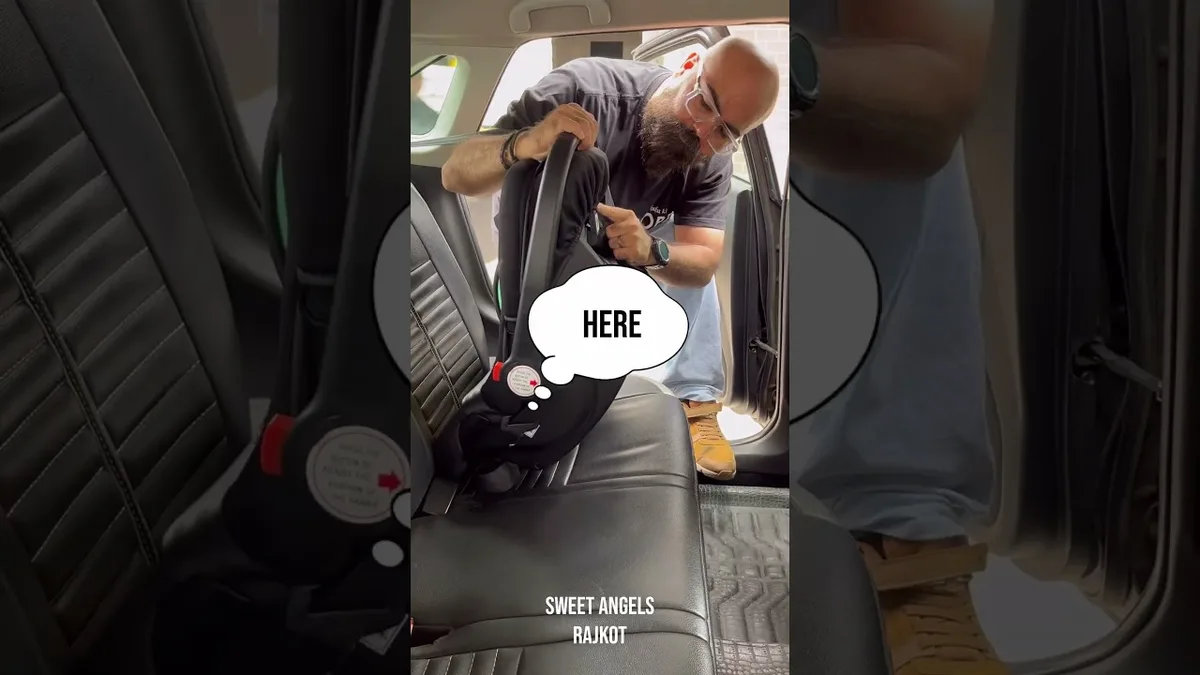
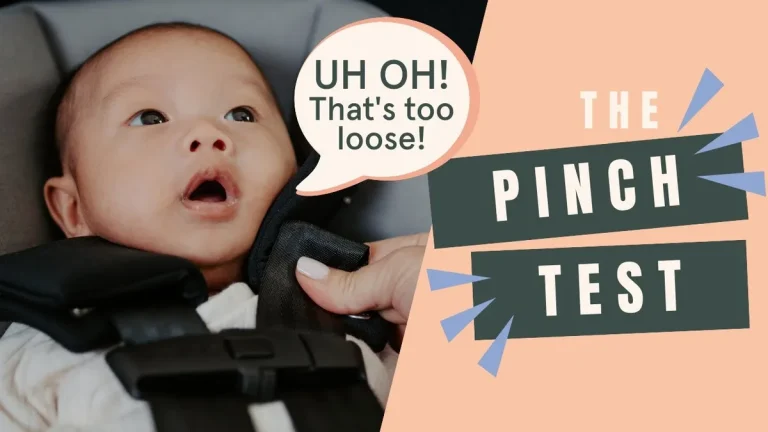
Image source: YouTube / Sweet Angels, Baby Store (YouTube thumbnail (fair-use with source credit))
Car sickness in babies is real. It happens when their inner ear senses movement but their eyes and body don’t agree. Symptoms include fussiness, drooling, pale skin, and vomiting.
Most babies grow out of it by age 2 or 3. Do not give over-the-counter motion sickness medicine to a baby under 2 years old. Focus on prevention: fresh air, breaks, and an empty tummy.
How Car Sickness Actually Works in Infants (Core Explanation)
Motion sickness is a sensory mismatch problem. In your baby’s inner ear, the vestibular system detects every turn, bump, and acceleration. But their eyes might be fixed on a nearby toy or the back of a seat, which tells the brain they’re still.
The brain gets confused by these conflicting signals.
For adults, that confusion triggers a mild headache and nausea. For babies, the response is often more dramatic. Their developing nervous system reacts with drooling, stomach upset, and vomiting as a way to “reset.” That’s why you’ll notice the sick feeling usually hits hardest on curvy roads or in stop-and-go traffic.
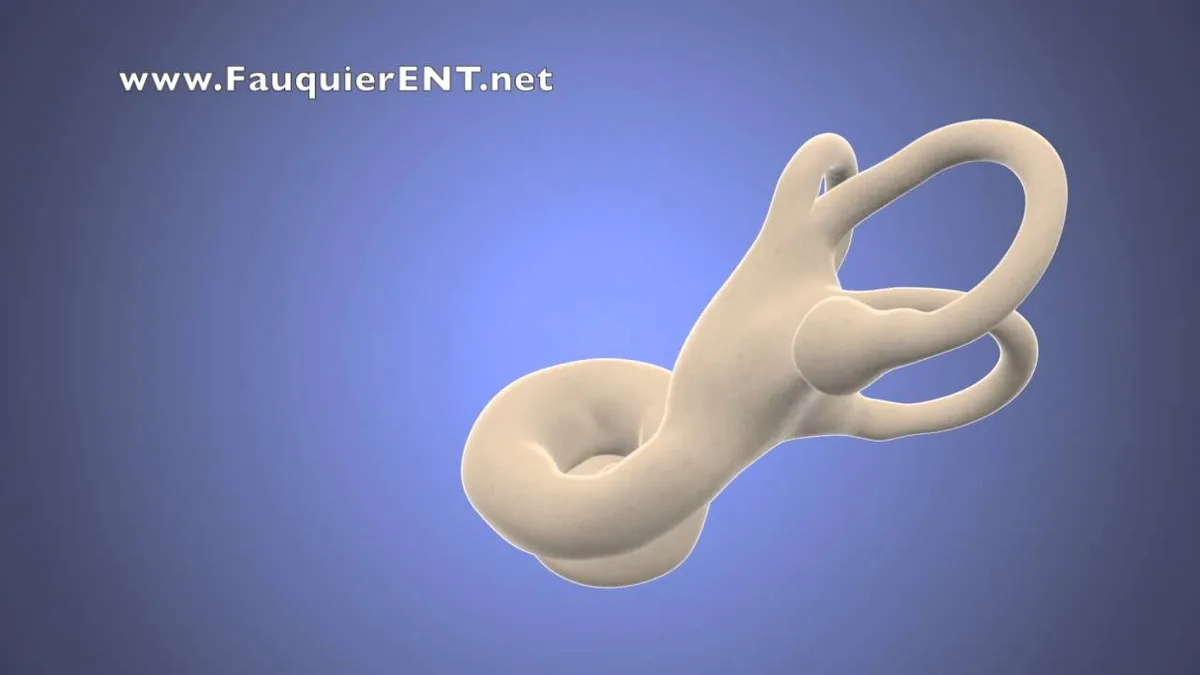
Image source: YouTube / Fauquier ENT (YouTube thumbnail (fair-use with source credit))
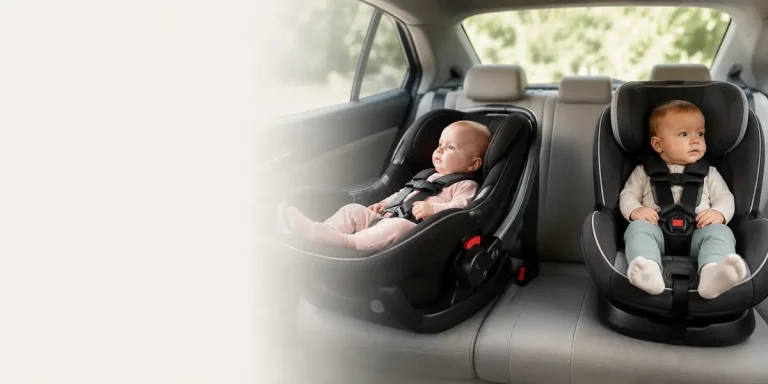
One reason babies are more prone is their inner ear structures aren’t fully mature until about age 2 or 3. The mismatch happens more easily. Also, rear-facing car seats, while safest in a crash, limit the baby’s view of the horizon.
That horizontal reference point, the one that helps the brain confirm motion, is completely blocked when they’re facing backward.
As of 2026, the AAP still recommends keeping children rear-facing until at least age 2. That’s the safest position for their neck and spine. But it does make them more susceptible to motion sickness.
It’s a tradeoff parents have to navigate.
Key Risk Factors That Make Babies More Prone
Not every baby gets car sick. But certain conditions increase the odds significantly.
Age and Development Stage
The peak window for motion sickness in infants is 6 months to 2 years. Before 6 months, babies rarely vomit from motion because their nervous system is still too underdeveloped to coordinate the reflex. After 2 years, many kids grow out of it, though some remain sensitive.
Rear-Facing Position
As mentioned, rear-facing seats block the horizon view. Without that visual anchor, the brain struggles to reconcile the inner ear’s signals. This is the single biggest modifiable risk factor.
Windy Roads and Stop-and-Go Traffic
Frequent turns, sudden stops, and acceleration amplify the sensory mismatch. Long straight highways are much easier on babies than winding country roads or city traffic jams.
Car Temperature and Air Quality
Hot, stuffy cars make nausea worse. Poor ventilation can also intensify the feeling of motion sickness. Research shows that fresh air cuts the intensity of motion sickness by about 30% in children.
Strong Odors in the Car
New car smell, food smells, air fresheners, all can trigger or worsen nausea. The baby’s sensitive nose picks up on these smells more acutely than an adult’s.
Empty or Full Stomach
A baby who eats a heavy meal right before a ride is more likely to vomit. Conversely, an empty stomach can also cause queasiness. The sweet spot is a light snack about 30 minutes before departure.
Safe, Non-Medication Ways to Reduce Motion Sickness
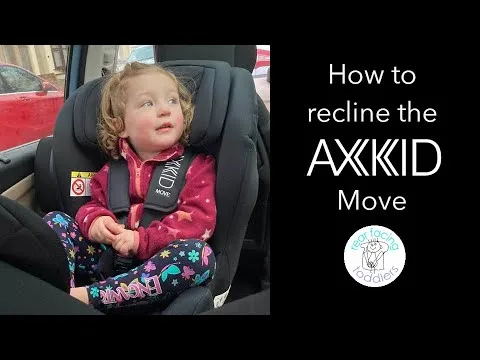
Image source: YouTube / Rear Facing Car Seats (YouTube thumbnail (fair-use with source credit))
Medication is not an option for babies under 2. No OTC motion sickness drug is FDA-approved for that age group. But there are several safe, effective strategies you can use.
Fresh Air and Temperature Control
Crack a window to let fresh air circulate. Turn the AC on if it’s warm. A cooler, well-ventilated cabin dramatically reduces nausea.
If you can, crack two windows slightly for cross-ventilation.
Frequent Breaks
Plan to stop every 20 to 30 minutes. Get your baby out of the car seat for a few minutes. Let them stretch, burp, or nurse if needed.
Even a 3-minute break can reset their system.
Light Pre-Trip Feeding
Feed your baby a light meal about 30 minutes before you leave. Avoid heavy foods like thick formula, solids, or purees that are tough to digest. A small nursing session or a small bottle works well.
Don’t feed immediately before buckling in.
Keep the Car Cool and Neutral-Smelling
Avoid eating strong-smelling foods in the car before travel. Skip air fresheners. The goal is a neutral, slightly cool environment.
Distraction Through the Rearview Mirror
If your baby is rear-facing, consider installing a car seat mirror so you and the baby can see each other. While that doesn’t cure motion sickness, it can help calm a fussy baby, which reduces stress for everyone.
Choose the Right Time of Day
If possible, travel during naptime or bedtime. A sleeping baby is less likely to notice the motion. Many parents report that babies who sleep through the trip never show symptoms.
As of 2026, pediatric travel experts agree that aligning travel with sleep windows is the most effective preventative.
For a deeper look at managing a fussy passenger, check out our guide on how to calm a baby in a car seat fast and safely.
Mistakes Parents Often Make (and What to Do Instead)
It’s easy to make a mistake when you’re tired and your baby is crying. Here are the most common pitfalls.
Giving OTC Motion Sickness Medicine
Dramamine, Bonine, and similar drugs are not safe for infants under 2. They can cause drowsiness, confusion, and even breathing problems in small babies. Always ask your pediatrician before giving any medication. Never guess the dosage yourself.
Feeding Right Before a Trip
A full stomach is a vomiting stomach. If you feed your baby and then immediately buckle them in, the pressure of the car seat on a full belly combined with motion is a recipe for disaster. Wait at least 20-30 minutes after feeding before driving.
Ignoring Early Signs
Babies can’t say “I feel sick.” You have to read the cues. Drooling, pale skin, heavy breathing, and sudden fussiness are early warnings. If you pull over when you first notice these signs, you can often prevent the vomiting episode.
Using Strong Air Fresheners or Smelly Products
The interior of a car traps odors. A pine tree air freshener or a scented car wash can make nausea unbearable for a sensitive baby. Stick to no scent or a very light, natural one.
Relying on the Baby to “Grow Out of It”
While most babies do outgrow car sickness, that doesn’t mean you should ignore a pattern. If your baby vomits on every single trip longer than 10 minutes, talk to your pediatrician. There may be an underlying issue like an ear infection or reflux that’s making motion sickness worse.
Related: It’s also important to know whether your baby can safely sleep in a car seat for extended periods, expert advice on that here.
When to Call the Doctor (Red Flags and Warning Signs)
Most car sickness episodes are harmless and pass quickly. But some symptoms signal something more serious. Here’s when you need medical attention.
The baby vomits forcefully after every trip, even short ones. That could point to reflux, a gastrointestinal issue, or even an inner ear infection rather than simple motion sickness. Your pediatrician can help rule out underlying causes.
Your baby shows signs of dehydration. Fewer than four wet diapers in 24 hours, a dry mouth, sunken eyes, or no tears when crying are urgent red flags. Dehydration happens fast in small babies because they have less fluid reserve. If you see these signs after a vomiting episode, call your doctor right away.
The vomiting is projectile or contains bile. Green or yellow vomit can indicate a blockage or other serious condition. Clear or milky vomit is typical with motion sickness. Colored bile is not.
Your baby has a fever along with car sickness. A temperature above 100.4°F (38°C) suggests an infection, not simple motion sickness. Fever plus vomiting needs a medical evaluation, especially in infants under 3 months.
The baby seems lethargic or unusually sleepy after the trip. While some exhaustion is normal, extreme drowsiness or difficulty waking could signal dehydration or a neurological issue. Trust your gut. If something feels wrong, get professional advice.
The American Academy of Pediatrics recommends calling your pediatrician for any vomiting that lasts more than 12 hours in a baby under 6 months. For older infants, the threshold is 24 hours of persistent vomiting. Keep that timeline in mind during long road trips.
Expert Tips for Longer Road Trips (Pro Advice)
Long journeys require extra planning. You can’t stop every 20 minutes forever. But you can stack the odds in your favor with a few proven tactics.
Time your departure around naps. A baby who sleeps through the worst terrain won’t feel the motion. If your baby’s natural nap is around 10 a.m., aim to hit the winding roads right at that time. Let them sleep in the car seat for the first hour or two.
Use a car seat mirror strategically. While it doesn’t cure motion sickness, it lets you see your baby’s face without turning around. You’ll catch early warning signs (pale skin, drooling) faster. That buys you precious minutes to pull over before the vomiting starts.
Keep a clean change bag within arm’s reach. Store a spare set of clothes, burp cloths, and plastic bags in the front seat. When a baby vomits in a rear facing seat, you can’t always stop in time. Having supplies ready reduces panic and keeps the mess contained.
Choose your route carefully. If you have the option, pick highways over winding back roads. Smooth, straight roads cause far less sensory mismatch than constant curves. Even a 10 minute detour to a main road can save an entire trip.
Acclimate the baby to the car seat gradually. Some babies react worse because they’re already uncomfortable in the seat. If your baby fusses before the car even moves, motion sickness will hit harder. Make the car seat a positive space with short practice runs around the block.
For a deeper look at traveling safely with infants, check out our guide on how to calm a baby in a car seat fast and safely.
Frequently Asked Questions
Can car sickness in babies be prevented completely?
Not always. But you can dramatically reduce the chance by combining fresh air, light feeding, frequent breaks, and travel during sleep times. No single method works for every baby.
Most parents find a combination that minimizes episodes.
Is it safe to give Dramamine to a baby?
No. Dramamine (dimenhydrinate) is not FDA approved for children under 2 years old. It can cause dangerous side effects including breathing problems and severe drowsiness.
Always check with your pediatrician before giving any motion sickness medication to an infant.
Does a rear facing car seat make car sickness worse?
Yes, it can. The rear facing position blocks the baby’s view of the horizon, which contributes to the sensory mismatch. But rear facing until at least age 2 is the safest position for a baby’s neck and spine in a crash.
The AAP recommends keeping the seat rear facing regardless of motion sickness.
How long does baby car sickness usually last?
Episodes typically last 30 to 60 minutes after the motion stops. Once you get the baby out of the car seat and into fresh air, most feel better within that window. Vomiting usually happens once or twice then stops.
When do babies outgrow car sickness?
Most children outgrow motion sickness by age 2 or 3 as their inner ear and nervous system mature. Some sensitive children continue to experience it into elementary school. If your baby still has frequent episodes past age 3, talk to your pediatrician.
Can car sickness be a sign of something else?
Yes, occasionally. Frequent vomiting in the car can be mistaken for reflux, an ear infection, or a food intolerance. If your baby vomits on every trip regardless of length or road type, it’s worth a medical checkup to rule out other causes.
For more on infant health and travel safety, you might also read about what the taking care babies method actually covers and how nurses that care for babies are trained.
The Bottom Line: What Works, What Doesn’t, and What’s Safe
Car sickness in babies is common, temporary, and almost always manageable without medication. The safest approach is prevention through air flow, timing, and short breaks.
| What Works | What Doesn’t Work | What’s Risky |
|---|---|---|
| Fresh air, cracked windows | Ignoring early signs like drooling | OTC motion sickness meds for infants |
| Traveling during nap time | Feeding a heavy meal before travel | Keeping baby in a hot, stuffy car |
| Frequent 3 minute stops | Relying on “growing out of it” alone | Strong air fresheners or scents |
| Light snack 30 minutes before | Long drives without any breaks | Seat recline that’s too upright |
| Cool cabin temperature | Letting baby get dehydrated | Delaying a doctor visit for warning signs |
The science is clear: babies get motion sick because of a sensory mismatch that their developing brains can’t resolve yet. The solutions are all low-tech and parent-powered. Keep the car cool, crack a window, feed lightly, and pull over at the first hint of drool.
When in doubt, call your pediatrician. They’ve seen it all before. And remember: this phase passes.
Most babies outgrow it by toddlerhood, and you’ll have plenty of smooth car rides ahead.

One Comment