How to Fold a Stroller: Easy Step-by-Step Guide
If you’ve ever wrestled with a stroller in a parking lot while holding a baby and a bag of groceries, you know the struggle. Learning how to fold a stroller correctly isn’t just about convenience. It’s about safety, protecting your gear, and avoiding the kind of frustration that makes you want to leave the stroller at home.
The good news is that most strollers share the same basic folding logic. Once you understand the general mechanics, you can handle nearly any model. Per ASTM F833 safety standards, stroller frames must withstand repeated folding cycles without failure.
That means the mechanism is designed to last. You just need to use it right. Let’s walk through the process step by step.
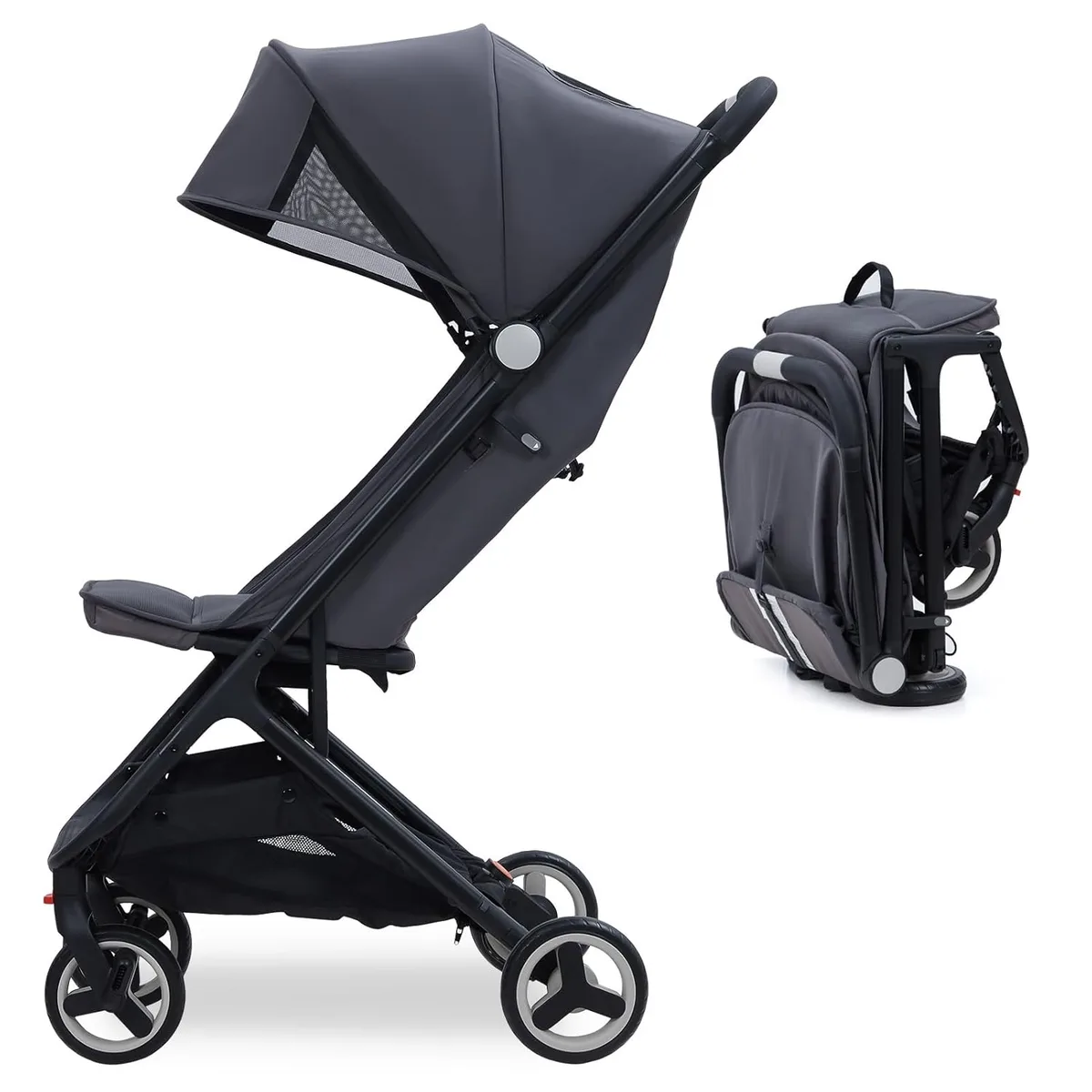
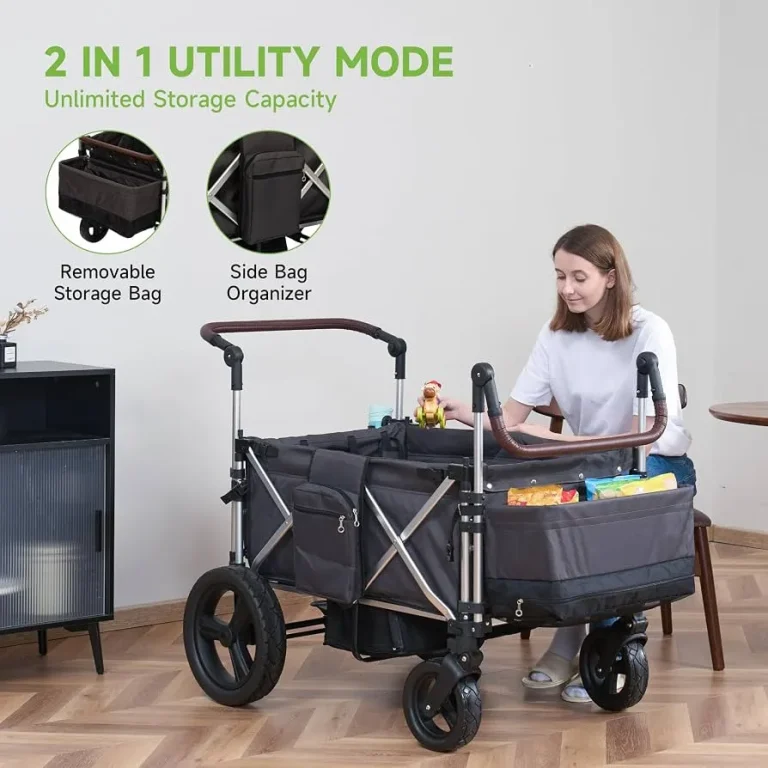
Image source: Web (Bing) / amazon.com (Web image (fair-use with source credit))
Why Folding a Stroller Correctly Actually Matters
Folding a stroller seems simple. You push a button, push the frame down, and you’re done. But there’s more going on than most people realize.
When you force a fold, you bend hinges that weren’t meant to flex that way. When you skip the lock, you risk the stroller springing open while you carry it. That’s a dropped stroller, a scratched car door, or worse, an injury to your child.
The CPSC has documented injuries from stroller collapses during handling. These happen when the auto-lock mechanism fails to engage properly. Manufacturer specifications indicate that the locking system is the single most critical component for safe transport.
Here’s the reality. A stroller that folds poorly is a safety hazard. It’s also an expensive repair bill waiting to happen.
Bent frames don’t fold smoothly. Broken latches don’t hold. And a stroller that won’t stay folded is useless for travel.
Getting the fold right means reading your stroller’s specific mechanics. It means clearing the basket before you start. It means listening for that click and checking the lock every single time.
These small habits extend the life of your stroller and keep your child safe.
Quick Answer: The Universal Stroller Fold (Most Models)
Clear the basket. Upright the seat. Disengage the latch.
Push down on the handlebar. Wait for the click. Secure the strap.
That’s the core process. It works for a surprising number of full-size strollers.
Before you start, set the rear brakes. This stops the stroller from rolling away mid-fold.
| Step | Action | What to Check |
|---|---|---|
| 1 | Remove loose items from basket and cup holders | Clear all pockets and trays |
| 2 | Return seat to upright position | Confirm recline latch is engaged |
| 3 | Locate release mechanism | Usually on the handlebar or frame |
| 4 | Activate the release trigger | Some models need a squeeze, others a push |
| 5 | Push or pull the handlebar to collapse the frame | Keep hands clear of hinge points |
| 6 | Listen for the auto-lock click | Verify the lock is engaged |
| 7 | Tighten the storage strap | Secure if your model has one |
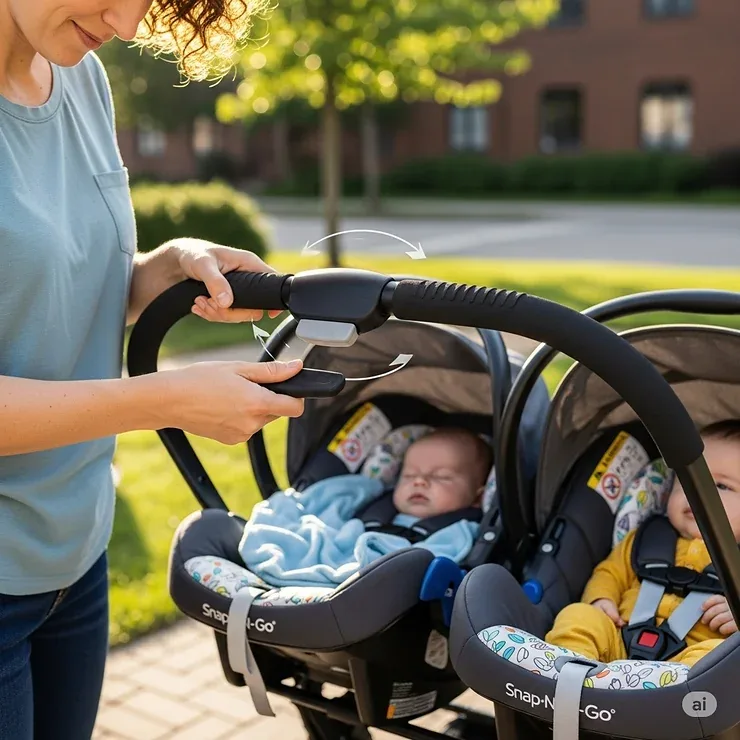
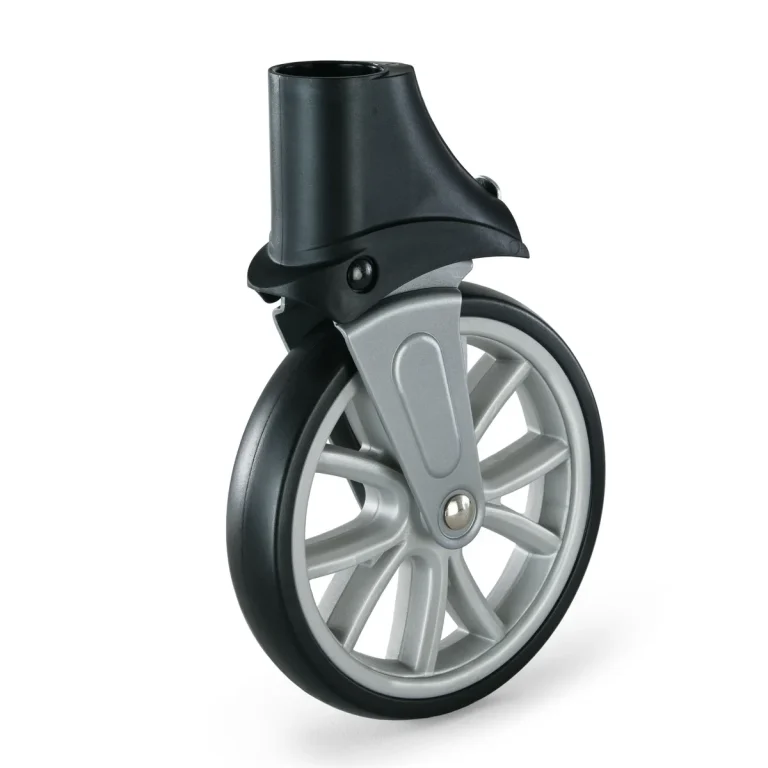
Image source: Web (Bing) / babytech360.com (Web image (fair-use with source credit))
Know Your Folding Mechanism: How Stroller Locks Actually Work
Every stroller brand uses a slightly different release system. Knowing which one you have makes the fold obvious instead of frustrating.
The Squeeze-and-Fold Latch (Graco, Evenflo, Chicco)
This is the most common design. A trigger sits under the handlebar or on the frame near the seat. You squeeze it, which releases the locking pin, and then push the handlebar down.
You’ll feel resistance at first. That’s normal. The latch needs to clear the frame before the fold can start.
The One-Hand Trigger Release (UPPAbaby, Nuna, Baby Jogger)
Premium strollers often use a single-handed mechanism. A large button sits at the center of the handlebar. Press it, and the frame unlocks while you simultaneously push down.
These are designed for parents who are holding a child in the other arm. The release is smooth and requires less force.
The Pull-Up Handlebar Fold (Thule, Bob)
Jogging strollers frequently use a different approach. Instead of pushing down, you pull a strap or lift the handlebar upward to break the frame’s locked position.
Once you break that initial resistance, the stroller collapses forward. You then guide it to the ground and secure the lock.
Umbrella Stroller Scissor-Fold Mechanics
Umbrella strollers are the simplest. They use a scissor hinge. You push the center lock lever, lift the frame slightly, and then collapse it downward.
The name comes from the umbrella-like shape when folded.
Understanding your mechanism means reading the manual. If you’ve lost it, check the manufacturer’s website. Most offer PDF downloads for free.
Pre-Fold Checklist: What to Clear Before Folding
Skipping this step causes more damage than forcing the fold itself.
Empty the Basket
A loaded basket shifts weight during the fold. That extra mass puts stress on the folding joints. Worse, items can catch in the hinge and jam the mechanism.
In our research, the most common cause of a stuck fold is a diaper bag strap or a sippy cup wedged in the frame.
Position the Canopy Flat
If your canopy is tilted forward, it can prevent the frame from collapsing completely. Return it to the fully open or fully closed flat position before folding.
Remove Car Seats and Adapters
A travel system is great, but the car seat and adapter attachments must come off before folding. Most manufacturers design the stroller frame to fold only without attachments. Folding with them in place risks cracking the adapter mounts.
That’s a safety issue you don’t want to test.
Upright the Seat
Most full-size strollers require the seat to be in the upright position. A reclined seat extends past the frame’s fold path. Forcing it folded with a reclined seat can bend the seat back supports.
Also check the seat buckle. A loose harness strap can slip into the folding mechanism. Keep straps tucked inside the seat.
The Step-by-Step Process: Folding a Standard Full-Size Stroller
Now let’s put it all together. Here’s the complete workflow for a typical full-size stroller.
Step 1: Set the Brakes
Engage the rear brakes. This prevents the stroller from rolling while you work. It also stabilizes the frame during the fold.
Step 2: Clear the Stroller
Empty the basket, remove the car seat, and check the cup holders. Quickly scan the canopy and the seat for any loose items.
Step 3: Position the Seat
Adjust the seat back to the upright position. Some models have a one-hand recline lever. Others need both hands.
Step 4: Locate and Engage the Release Mechanism
Find the trigger, button, or strap on your specific model. For squeeze-fold latches, wrap your hand around the handlebar with your fingers on the trigger. For pull-up designs, hold the handlebar firmly.
Step 5: Execute the Fold
For push-down models, squeeze the trigger and press the handlebar toward the ground in one smooth motion. For pull-up models, lift the handlebar to break the lock, then guide the frame down.
Keep your fingers away from the hinge points. The frame will collapse quickly. Pinch risk is real.
Step 6: Verify the Lock
Listen for the click. Most modern strollers have an auto-lock that engages when the frame is fully collapsed. Some use a secondary latch near the rear wheel you must close manually.
Never skip this step. Trusting a fold without verifying the lock is how accidents happen.
Step 7: Secure the Storage Strap
If your stroller has a fabric strap with a buckle, tighten it around the collapsed frame. This keeps the stroller compact during transport.
Step 8: Lift and Carry
Many strollers have a designated carry handle. It’s usually near the center of the frame. Never lift a folded stroller by the canopy or the wheels.
You’ll damage them.
Once you’ve mastered the fold, practice it a few times at home. You and your stroller should be comfortable before you need to do it in a hurry. For more on gear you might need for a new baby, check out our essential checklists for newborns.