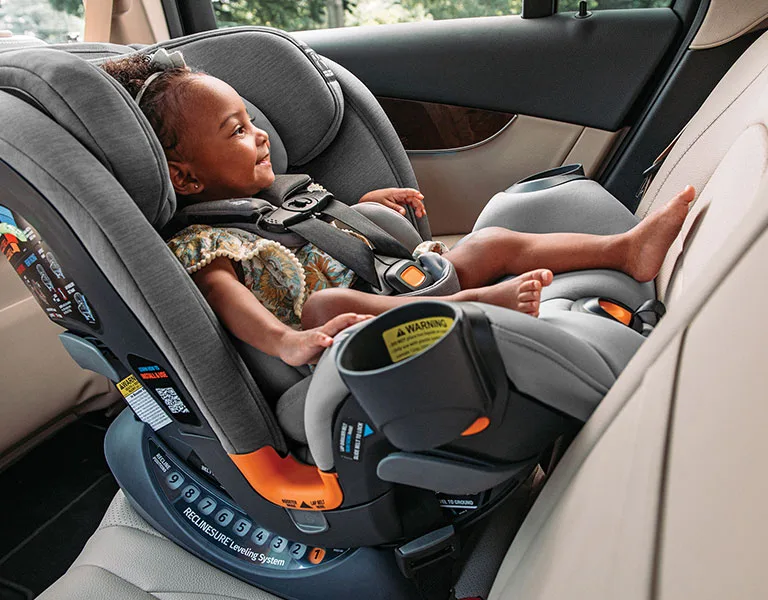
Step-by-step: When Do Babies Switch to Front Facing Car Seat
Chances are you've heard a dozen different answers about when do babies switch to front facing car seat. A relative swears it's fine after age 1. A neighbor says check the law.
And the car seat manual has its own set of numbers. So which one actually protects your child?
Manufacturer specifications indicate most convertible seats allow forward-facing at 1 year and 20 pounds. But the American Academy of Pediatrics recommends waiting until your child hits the seat's rear-facing limits, which is often age 2, 3, or 4. As of 2026, rear-facing weight limits on convertible seats typically run from 30 to 50 pounds depending on the model.
Here's why the wait matters.
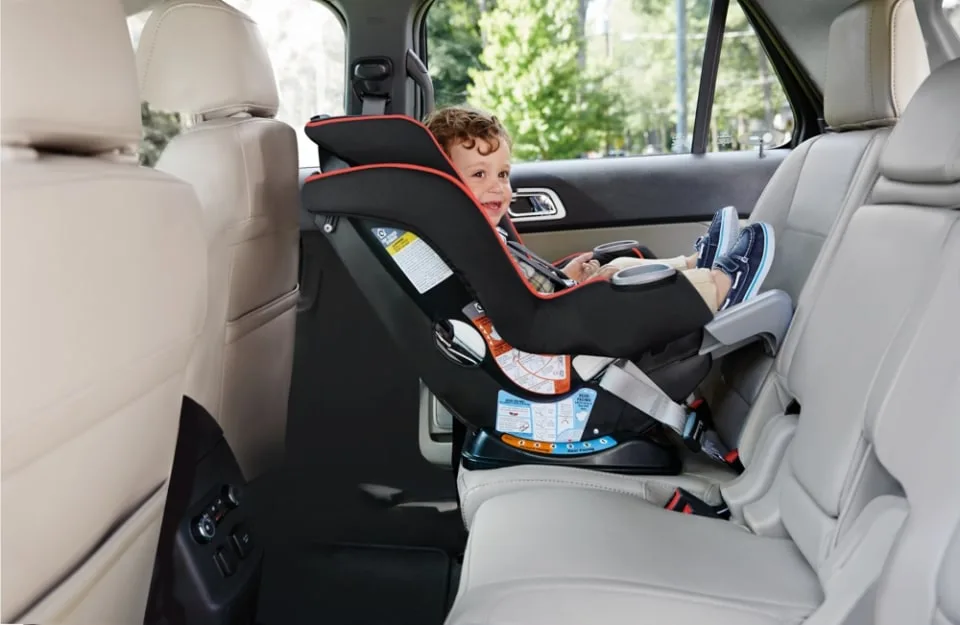
Image source: Bing (Web (fair-use with source credit))
Quick Answer: The Legal Minimum vs. The Safest Choice
The quick answer to when do babies switch to front facing car seat is: don't rush it. Keep them rear-facing until the seat's maximum limits. Most kids hit those around age 2 to 4.
The law might allow earlier, but safer practice says wait. Check your seat's label for exact numbers.
State laws set a floor, not a ceiling. The car seat manufacturer, not the state legislature, decides the real safety limits. Those limits exist because of crash test data, not convenience.
Why Getting This Wrong Can Be Deadly
A front-end collision is the most common type of serious crash. It's also the one that makes forward-facing seats risky for young toddlers.
When a car stops suddenly at 30 mph, the child's body keeps moving forward. In a rear-facing seat, the shell catches the child's entire back and head. The force spreads across the strongest parts of the body.
In a forward-facing seat, only the harness straps hold the child back. The head, which is heavy and not yet supported by strong neck muscles, jerks forward violently. The result can be a stretch injury to the spinal cord.
There's even a term for the worst case: internal decapitation, where the skull separates from the spine. It's rare, but it's catastrophic.
According to NHTSA's child passenger safety guidance, rear-facing seats absorb crash energy better and provide more support for the head and neck. That's why the recommendation isn't just about following rules. It's about protecting a part of the body that doesn't fully fuse until early childhood.
Core Facts: How Rear-Facing Height and Weight Limits Actually Work
Every convertible car seat has two sets of limits: one for rear-facing, one for forward-facing. They're printed on a sticker on the side of the seat. They're also listed in the owner's manual.
You need to know both numbers before you can make the switch.
Here's what those numbers actually mean.
| Feature | Rear-Facing | Forward-Facing | | Max weight | 30 to 50 lb depending on model | 40 to 65 lb depending on model | | Max height | 38 to 57 in. depending on model | Check the harness slots | | Harness slots | Shoulders at or below slot | Shoulders at or above slot | | Head clearance | At least 1 in. below shell top | Headrest at or above shoulders |
The weight limit is the hard stop. If your child hits it, they cannot ride rear-facing in that seat anymore, even if they have plenty of height left. The height limit is the other stop.
Once the top of their head is above the shell, the seat can no longer protect their head in a crash.
Your car seat's label is the final authority. Not age. Not what another parent says.
Not what the law allows. The label and the manual.
The Real Risk of Turning Your Baby Forward-Facing Too Soon
Here's the uncomfortable truth: a toddler's body is not a miniature adult's. Their head is about 25% of their total body weight. An adult's head is about 6%.
Their neck bones are still soft and developing.
In a rear-facing crash, the head, neck, and back all move together into the seat shell. The force is absorbed by the strongest structures in the body. In a forward-facing crash, the harness holds the torso, but the head keeps going.
The spinal cord gets stretched. Even an extra inch of stretch can cause serious damage.
The American Academy of Pediatrics updated its guidance in 2018 to recommend rear-facing until the child reaches the maximum height or weight limit of the seat. For many kids, that's age 2, 3, or even 4.
This is one of those topics where state laws lag behind current pediatric research. The law might say you can turn the seat at 1, but that doesn't mean you should.
Step-by-Step: How to Check If Your Child Has Outgrown the Rear-Facing Seat
The switch to forward-facing isn't based on a hunch. It's based on three measurable checks. If your child fails any one of them, they stay rear-facing.
Step 1: Check the weight limit. Look at the sticker on the side of the seat. Weigh your child without a heavy coat or shoes. Winter matters here.
Bulkier layers can change the harness fit, so always dress them for the car, not for the playground.
If your child is at or over the rear-facing max weight, rear-facing mode is done in that particular seat.
Step 2: Check the height limit. With your child seated rear-facing, check the top of their head. There must be at least one inch of shell above it. Some seats have a visible height marker to make this easier.
Here's what that clearance looks like:

Image source: Bing (Web (fair-use with source credit))
Step 3: Check the harness slot position. In rear-facing mode, the harness straps must sit at or below your child's shoulders. If the straps sit above the shoulders, they can slip off during a crash and fail to hold the child properly.
Step 4: Check the manual. Every car seat has a manual. It will tell you exactly when the seat is outgrown, in both weight and height terms. Follow it.
Step 5: Do a final fit check. Some kids look small but are actually close to a limit. The measurements decide, not the child's size relative to other kids.
Once your child truly outgrows rear-facing, the next step is forward-facing with a 5-point harness. If you spend a lot of time driving, a comfortable option for long-distance drives can make those trips easier.
Also, if your child fusses on every ride, that's a separate issue. Motion sickness in babies is real and can make any car trip feel like a battle. But turning the seat forward won't fix that.
What to Look for in a Forward-Facing Convertible or Combination Seat
The first thing to know: you don't need to buy a new seat just to face forward. Most convertible models stay in the same car with the same harness, rethreaded and angled differently. The transition is a mode switch, not a product switch.
What matters in a forward-facing harness seat:
- Harness straps at or above the shoulders, in the correct slots.
- A snug fit. You shouldn't be able to pinch any webbing at the shoulder.
- The chest clip level with the armpit, not the belly or the throat.
- At least 2 inches of shell above your child's shoulders.
- A headrest that adjusts so the straps sit correctly as your child grows.
In our research, parents who move to a dedicated combination seat later often appreciate the extra harness height and easier recline. Others prefer staying with the same convertible because it keeps the fit adjustments familiar. Both are safe if the seat matches your child's height and weight.
One crucial detail: in forward-facing mode, the harness restrains the child, and the seat belt or LATCH anchors the seat. They do two different jobs.
Common Mistakes Even Well-Meaning Parents Make
Even careful parents make errors on installation or the daily harness, often without knowing.
Common errors include:
- Turning the seat forward too soon. That's the one that matters most, because it's so easy to fix.
- Leaving the harness looser than a pinch test. It needs to be snug.
- Placing the chest clip too low. It belongs at armpit level, not on the belly.
- Forgetting the top tether. That's the single most common forward-facing installation mistake.
- Using a heavy winter coat in the seat. It compresses in a crash, leaving slack in the harness. That's why safely dressing your baby for cold weather is such a big deal.
- Flipping the seat because the child cries. A fussy toddler isn't a good reason to drop safety standards. Some babies genuinely dislike car rides, and the fix is often a mirror or a toy, not a forward-facing flip.
- Handing down a seat that's been in a moderate crash, has missing parts, or is past its expiration date.
If any of this sounds familiar, you're not alone. The good news is that all of it is fixable.
Understanding the Gap Between State Laws and the AAP Recommendation
State laws and pediatric safety recommendations live in different worlds. State car seat laws set absolute minimums. They exist to give police clear, enforceable rules.
They don't always reflect the latest crash science.
For example, most states require rear-facing until age 1 or 2. But the AAP advises that children remain rear-facing until they reach the seat's maximum height or weight. Since most convertible seats allow 30 to 50 pounds rear-facing, that typically means age 3 or 4.
Some parents feel the law gives permission to turn early. It doesn't. It gives the strict minimum.
The legal minimum is the fastest shortcut to flipping the seat. The measured safety limit is the right path. If your state law says age 1, ask yourself whether a 1-year-old has the neck strength of a 3-year-old.
The answer is no. For a clearer picture, NHTSA's car seat recommendations explain the difference between legal requirements and best practice.
Here's the mental shift: on car seats, the law is the floor, not the ceiling. The seat's label and your child's measurements are the actual ceiling.
How to Use the Top Tether and LATCH System Correctly
When you finally move forward-facing, the top tether becomes your best friend. It clips onto a metal anchor behind the seat, usually on the rear shelf or the back of the vehicle seat. Attached, it dramatically reduces how far the head moves forward in a crash.
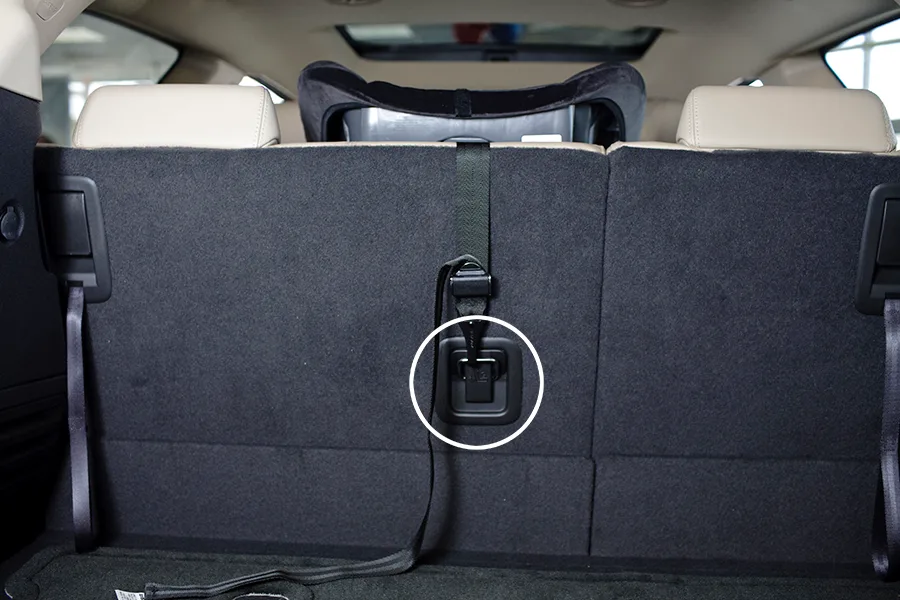
Image source: Bing (Web (fair-use with source credit))
Installation steps are simple in principle:
- Place the seat and connect the lower anchors or route the seat belt.
- On the back of the car seat, locate the tether strap.
- Pull it over the seat back, hook it to the anchor point.
- Pull to tighten until there's less than an inch of movement at the belt path.
For LATCH, know your vehicle's lower anchor weight limit. Many vehicles cap LATCH at 65 pounds combined child-plus-seat. Check the manual before relying on it at higher weights.
Beyond that limit, use a seat belt installation instead.
Also, a correctly tightened forward-facing seat should not move more than an inch side to side at the belt path. The tether takes care of the upper part of the seat. If you're unsure, a certified technician can double-check.
When to See a Certified Child Passenger Safety Technician (CPST)
If you've ever felt uncertain about your car seat installation, you're in good company. Most parents are. That's exactly what CPSTs exist for.
A CPST is a nationally certified expert who checks your seat for free or a small fee. They verify the correct recline, harness height, belt path, and tether use. They also can teach you how to do it yourself.
When to book an appointment:
- For a first installation before the baby comes home from the hospital.
- After moving the seat from one vehicle to another.
- After any forward-facing transition, including the tether.
- After a moderate or severe crash, even if the car seems fine.
- If the manual includes an odd or confusing step.
You can find a technician near you through Safe Kids Worldwide or your state's child passenger safety program. Many are volunteer firefighters, EMTs, or public health workers.
Our strong recommendation: book a check when you make the switch. It's free, takes less than an hour, and removes the guesswork.
Real Scenarios: Signs It's Finally Time to Make the Switch
Let's make this concrete. If your child's head sits above the top of the rear-facing shell, that's a hard sign. Same deal if they've hit the rear-facing weight limit printed on the label.
Here's a typical example. A 2-year-old weighs 38 pounds. Their convertible seat allows rear-facing up to 40 pounds.
They still fit. No switch yet. Another common sign is the harness straps dipping below the shoulders in rear-facing mode, which indicates they've outgrown the position.
Other clear signals:
- Less than 1 inch of shell above the child's head.
- Weight or height at or over the seat's rear-facing maximum.
- The child's shoulders are above the highest rear-facing harness slot.
- The manual explicitly says the seat is outgrown.
One more myth to bury right now. Bent knees are not a problem. Toddlers are flexible.
Their legs can touch the vehicle seat, fold up, or dangle. It doesn't hurt them and it isn't a sign to turn early.
Comparison: Convertible vs Combination Seats
Your current convertible seat likely handles the forward-facing job fine. You don't need to buy anything new. But if you're in the market, knowing the difference helps.
A convertible seat does double duty. It faces rear-facing first, then flips forward-facing. A combination seat is forward-facing only.
It uses a 5-point harness, then transitions to a booster later.
| Feature | Convertible Seat | Combination Seat |
|---|---|---|
| Rear-facing mode | Yes | No |
| Forward-facing harness | Yes | Yes |
| Becomes a booster | Sometimes | Yes |
| Typical harness weight ceiling | 50 to 65 lb | 65 to 85 lb |
| Best starting age | Birth to 4+ years | 2+ years |
A convertible is the right pick for a first seat or a second vehicle. A combination seat shines when you're done with rear-facing entirely and want a longer harness life before booster mode.
Car Seat Maintenance After the Switch
The switch to forward-facing doesn't mean you can stop paying attention to the seat itself. Regular checks matter just as much as the first install.
- Register the seat with the manufacturer for recall alerts.
- Check the expiration date. Most seats last 6 to 10 years.
- Inspect the harness straps for fraying, twisting, or damage.
- Wipe the harness clean. Never machine-wash the straps.
- Avoid aftermarket covers or head supports not made by the seat brand.
If the seat was in a moderate or severe crash, replace it. Even if it looks fine, the plastic can be compromised. That's true for both the harness and the shell.
FAQs About Forward-Facing Car Seats
When can my child legally ride forward-facing?
Most U.S. states allow forward-facing at age 1 and 20 pounds. Some require age 2. Check your state's law first.
That's the legal minimum, not the safest recommendation. Keep your child rear-facing longer if the seat's limits allow.
How do I know if my child is ready for forward-facing?
Your child is ready when they reach the rear-facing height or weight limit listed on the seat label. You don't decide based on age alone. Weigh your child and measure their seated height.
If both numbers are under the limits, they stay rear-facing.
Should the harness straps be above or below the shoulders?
For forward-facing, the harness straps must sit at or above the child's shoulders. For rear-facing, they go at or below. Many convertible seats have color-coded guides to make this simple.
When in doubt, trust the manual, not your eyes.
Can I use LATCH for forward-facing installation?
Yes, if your vehicle manual allows it. Check the LATCH lower anchor weight limit first. If your child's weight plus the seat exceeds that number, switch to a seat belt installation.
Both methods are safe when done correctly.
Final Verdict: The Safest Approach for Your Child
The rule is simple. Keep your child rear-facing until they outgrow the seat's rear-facing limits. Then switch to forward-facing with a 5-point harness and the top tether tightly attached.
No shortcuts.
Think of the law as a floor, not a ceiling. The seat label and your child's measurements are the real guide. If you're ever unsure, a certified child passenger safety technician can check everything for free.
Extended rear-facing isn't about being overly cautious. It's about giving your child's neck and spine time to strengthen. That extra year costs nothing.
It can save everything.