How Long Should a Baby Be in a Car Seat? Expert Tips
If you’ve ever wondered how long should a baby be in a car seat, you’re not alone. It’s one of the most common questions new parents ask, and the answer isn’t as simple as a single number. The short version is that babies shouldn’t stay in a car seat continuously for more than two hours at a time, but there’s a lot more nuance to it than that.
The two-hour guideline exists because of a real safety risk called positional asphyxiation. When a baby’s head slumps forward in a car seat, it can compress their airway and make breathing difficult. As of 2026, the American Academy of Pediatrics (AAP) and the National Highway Traffic Safety Administration (NHTSA) both recommend taking regular breaks on long journeys.
Let’s break down what that actually means for you and your little one.
The Short Answer: What the 2-Hour Rule Really Means
The “2-hour rule” is a general safety guideline, not a hard legal limit. It suggests that babies under 12 months should not be in a car seat for more than two hours total in a 24-hour period. That includes time in the car, time in a stroller with the car seat attached, and time on the floor with the seat propped up.
Here’s what the rule actually means in practice:
- Continuous time: Don’t keep your baby in the seat for more than 2 hours straight.
- Total daily time: Try to keep total car seat time under 2 hours per day for newborns.
- Breaks matter: On long trips, stop every 60 to 90 minutes to take your baby out.
- Age matters: Older babies with better head control can handle slightly longer stretches.
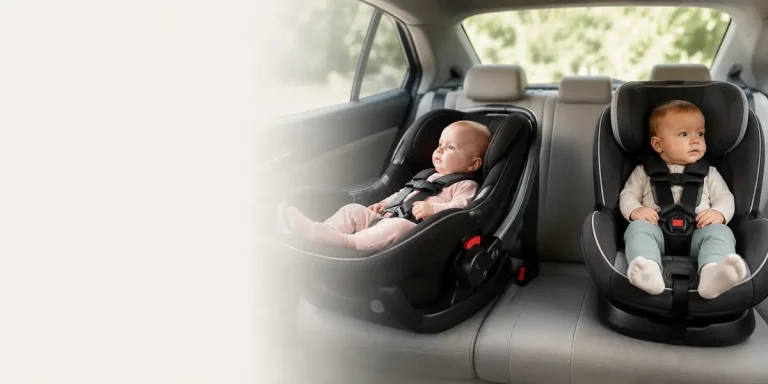
The reason for this guideline is simple. Car seats are designed for travel, not for sleeping or lounging. The semi-reclined position can cause a baby’s head to fall forward, especially if they fall asleep.
That position can restrict their airway, leading to oxygen deprivation.
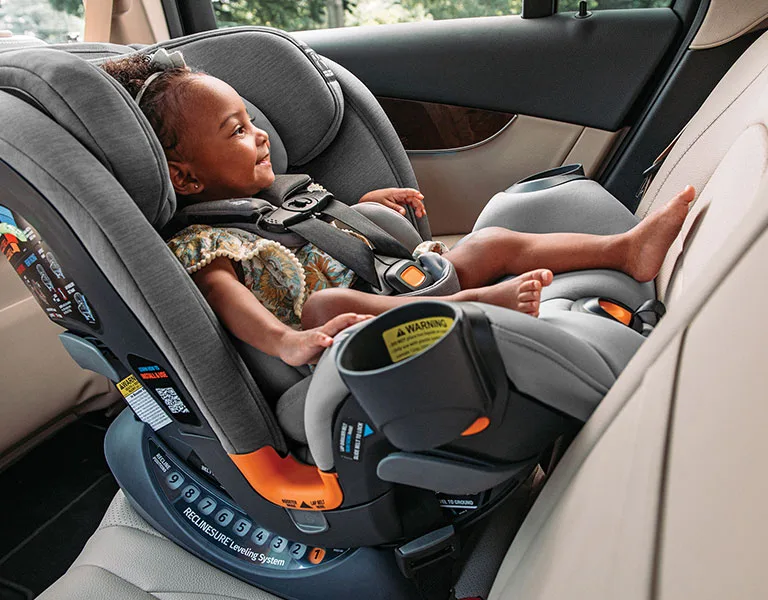
Image source: Bing (Web (fair-use with source credit))
Manufacturer specifications vary by seat model, so always check your specific manual. Some car seat brands have their own recommendations that differ slightly from the general guideline. The manual is the ultimate authority for your particular seat.
What’s Actually Happening Inside the Car Seat
To understand why the 2-hour rule exists, you need to know what happens inside the seat. It’s not about discomfort or fussiness. It’s about airway safety.
When a baby sits in a car seat, their head is heavier relative to their body compared to older children and adults. Newborns especially have weak neck muscles and limited head control. If the seat is at the wrong recline angle, or if the baby slumps forward, their chin can press against their chest.
That position can partially block their trachea.
This is called positional asphyxiation. It happens when the body position prevents normal breathing, even though nothing is physically covering the nose or mouth. It’s silent.
There’s no crying or obvious distress. The baby just slowly gets less oxygen.
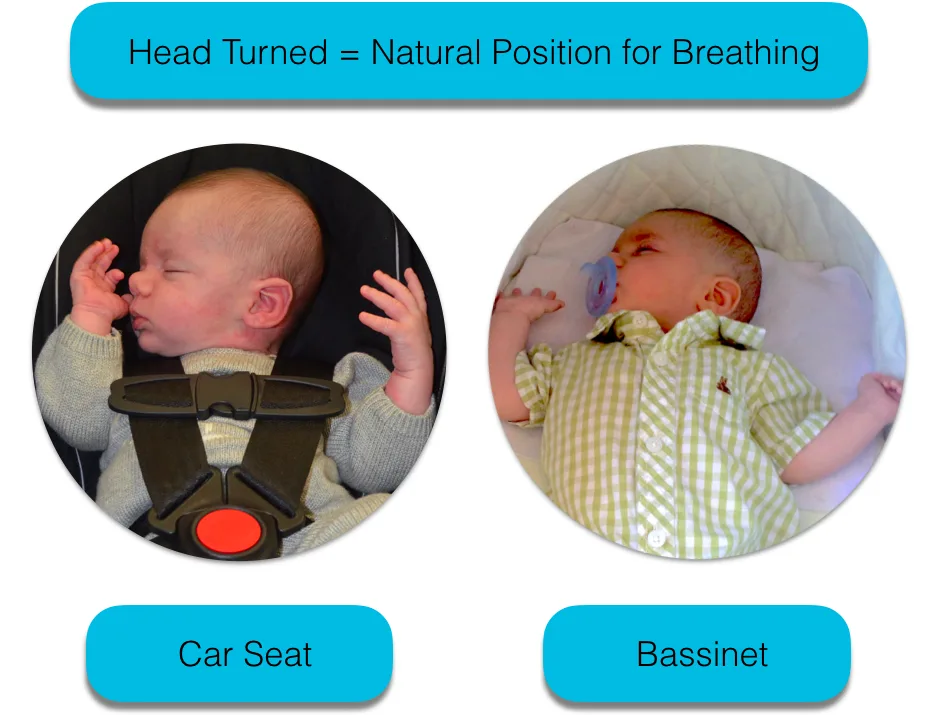
Image source: Bing (Web (fair-use with source credit))
The risk is highest for:
- Newborns under 1 month old
- Premature babies
- Babies with low birth weight
- Infants with respiratory conditions
The recline angle is critical. Most infant car seats have a built-in angle indicator. For newborns, the seat should be at a 45-degree angle.
This keeps the baby’s head tilted back slightly, keeping the airway open. As the baby grows and gains head control, the angle can be adjusted.
If you’re dealing with a baby who gets fussy on rides, it might not be the seat itself. Some babies just dislike the motion or the confinement. You can find practical tips for handling that in our guide on fussy rides.
The Real Risk Factors You Need to Know
Not every baby faces the same level of risk in a car seat. Some infants are more vulnerable to positional asphyxiation than others. Knowing these risk factors helps you make better decisions about travel time.
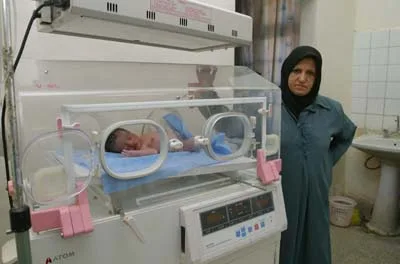
Premature babies are the highest risk group. Their neck muscles are even weaker than full-term newborns, and their airways are smaller. Many hospitals require a “car seat test” before discharging a premature infant.
This test monitors the baby’s heart rate, breathing, and oxygen levels while sitting in their car seat for 90 to 120 minutes.
Low birth weight babies (under 5.5 pounds) face similar risks. Their head-to-body ratio is even more extreme, making airway compression more likely. If your baby was born early or small, talk to your pediatrician about whether a car bed is a safer option.
Babies with reflux or respiratory issues also need extra caution. Conditions like laryngomalacia or bronchopulmonary dysplasia can make breathing harder in a semi-reclined position. Your pediatrician can give you specific guidance for your baby’s condition.
Other factors that increase risk:
- Loose harness straps that allow the baby to slump
- Aftermarket head supports that push the head forward
- Bulky winter coats that prevent a snug harness fit
- Improper recline angle on the seat
If you’re traveling in cold weather, you need to think about what your baby wears in the seat. Bulky coats are a major safety issue because they prevent the harness from being tight enough. Check our guide on safe winter wear for the right approach.
How to Handle Long Trips Safely
Long road trips with a baby require planning. You can’t just set off and drive for six hours straight. The 2-hour rule means you need to build breaks into your journey.
Here’s a practical approach for long drives:
- Plan stops every 90 minutes. This gives you a buffer before the 2-hour mark.
- Take the baby out of the seat completely. Don’t just unclip the harness and let them stay in the seat.
- Let them move and stretch. Tummy time on a blanket, or just holding them upright, helps reset their position.
- Feed and burp. A full tummy and a good burp make the next stretch more comfortable.
- Change diapers. A wet or dirty diaper makes babies restless and uncomfortable.
What about a sleeping baby? This is where parents struggle the most. You’re on the highway, the baby is finally asleep, and you don’t want to wake them.
But the risk of positional asphyxiation is actually highest when a baby is asleep in the car seat. Their muscles relax completely, and their head is more likely to slump forward.
If your baby falls asleep on a drive, here’s what to do:
- Check their head position. If their chin is tucked to their chest, gently reposition them.
- Adjust the recline if possible. Some seats have a recline adjustment that works while installed.
- Plan to stop sooner. A sleeping baby needs a break just as much as an awake one.
- Never leave them in the seat after arriving. Transfer them to a crib or bassinet immediately.
Some babies get car sick on long trips, which adds another layer of difficulty. If your little one struggles with motion sickness, you might need to plan even more frequent stops. Our article on car sickness in babies covers signs and solutions that can help.
Step-by-Step: Checking Your Baby’s Fit Before Every Ride
Before every single trip, even a 10-minute drive to the store, you should check your baby’s fit in the car seat. This takes less than a minute once you know what to look for. It could save your baby’s life.
Here’s the step-by-step process:
Step 1: Check the harness straps.
The straps should be at or below your baby’s shoulders when rear-facing. For most infant seats, this means the straps come from the slots at or just below shoulder level. If they’re above the shoulders, the harness won’t hold the baby properly in a crash.
Step 2: Do the pinch test.
After buckling, try to pinch the harness strap at your baby’s collarbone. If you can pinch any fabric between your fingers, the harness is too loose. It should be snug enough that you can’t pinch any slack.
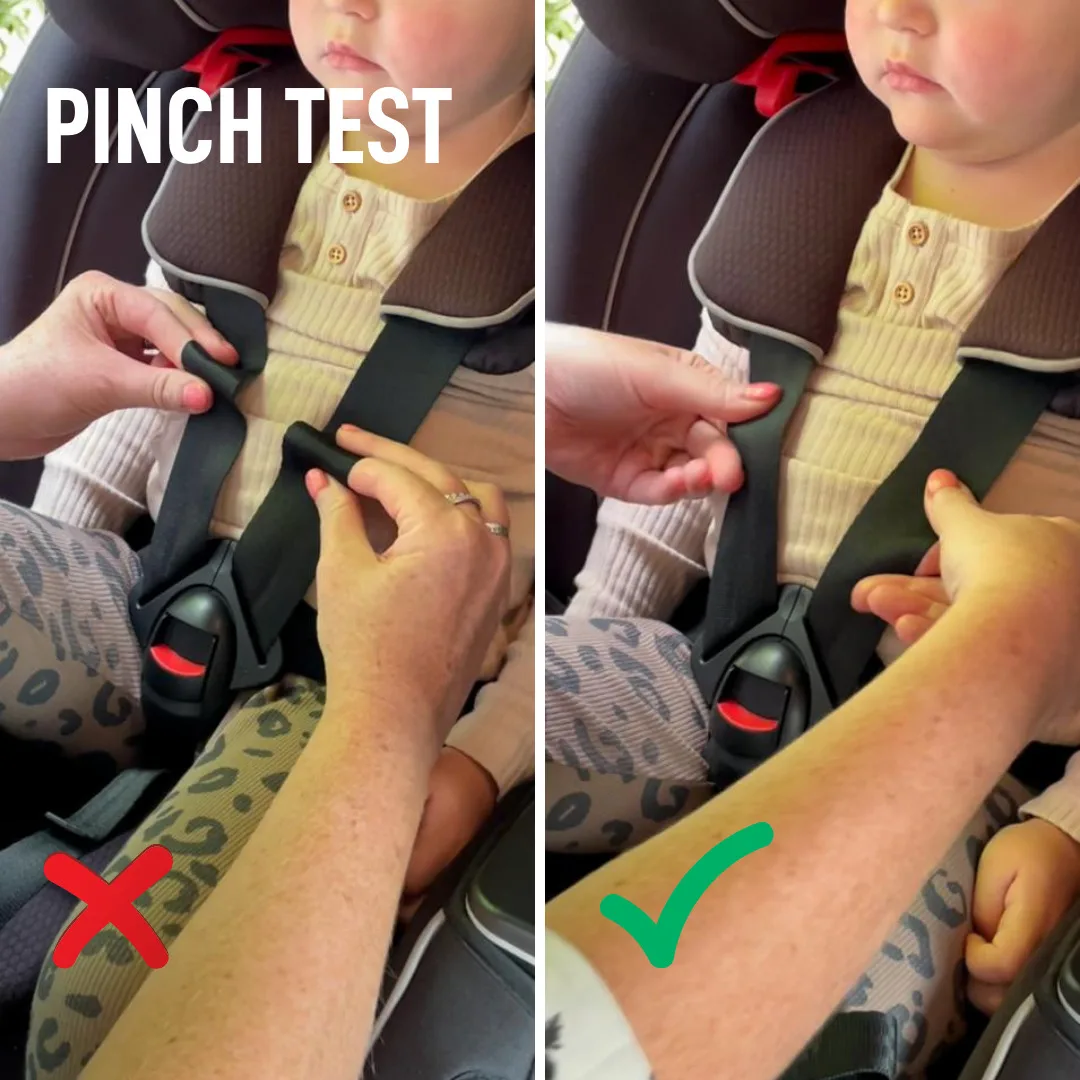
Image source: Web (Bing) / storage.googleapis.com (Web image (fair-use with source credit))
Step 3: Position the chest clip.
The chest clip should sit at armpit level, right across the middle of the chest. Not up at the neck, not down at the belly. This keeps the harness straps in the right position over the shoulders.
Step 4: Check the recline angle.
Look at the angle indicator on the side of the seat. For newborns, it should be in the “newborn” or “rear-facing” zone. As your baby grows, you can adjust the recline to a more upright position, but only within the range specified in the manual.
Step 5: Remove bulky clothing.
If your baby is wearing a thick coat or snowsuit, take it off before buckling. The harness needs to be tight against the body, not against layers of fabric. Use a thin fleece layer and put a blanket over the harness for warmth instead.
Step 6: Check the head position.
Make sure your baby’s head isn’t tilted too far forward or to the side. The chin should be off the chest, and the head should rest against the seat back. If the head flops forward, adjust the recline or add a rolled receiving blanket on the side (only if the manual allows it).
The same fit checks apply whether you’re using an infant seat or a convertible seat. The transition to a convertible seat happens when your baby outgrows the infant seat’s height or weight limits. You can learn more about when to make that switch and why rear-facing longer is the safest choice.
Common Mistakes Parents Make (and How to Avoid Them)
Even well-meaning parents make errors with car seats. Some are harmless. Others create real danger.
Here are the most common mistakes we see in our research, and how to avoid them.
Using the car seat as a crib or bassinet. This is the biggest one. A car seat is not a safe sleep surface. The semi-reclined position and the harness straps can restrict breathing during prolonged sleep.
If your baby falls asleep in the car, transfer them to a flat crib or bassinet as soon as you arrive home.
Leaving baby in the seat after arriving. You pull into the driveway, the baby is sleeping, and you think, “I’ll just let them finish their nap.” That’s risky. The longer a baby stays in that position, the higher the risk of positional asphyxiation. Take them out, even if it wakes them up.
Adding aftermarket inserts and head supports. Those cute head huggers and neck pillows you see online? Most are not tested with the car seat. They can push a baby’s head forward and block the airway.
Only use the inserts that came with your specific seat model.
Skipping the pinch test. A loose harness is a common issue. Parents buckle the baby, but don’t tighten the straps enough. The pinch test takes two seconds.
Do it every time.
Dressing babies in bulky coats. Winter coats and snowsuits compress in a crash, leaving the harness too loose. This is a serious safety issue. Dress your baby in thin layers and place a blanket over the harness instead.
We cover this in more detail in our guide on safe winter car seat wear.
Infant Seat vs. Convertible Seat: When to Make the Switch
The transition from an infant seat to a convertible seat confuses many parents. The answer depends on your baby’s size, not their age. Here’s a quick comparison:
| Feature | Infant Seat | Convertible Seat |
|---|---|---|
| Weight range | 4 to 35 lbs | 5 to 50+ lbs |
| Height range | Up to 32 inches | Up to 49 inches |
| Portability | Removable carrier | Stays in the car |
| Rear-facing limit | Until outgrown | Up to 40-50 lbs |
| Best for | Newborns and young infants | Older babies and toddlers |
Infant seats are designed for the first year or so. They click into a base in the car and onto a stroller frame. That portability is great for quick errands.
But babies outgrow them faster than you expect.
Convertible seats stay installed in the car. They rear-face longer, which is safer. The AAP recommends keeping children rear-facing until at least age 2, or until they reach the seat’s height or weight limit.
Many convertible seats now allow rear-facing up to 50 pounds.
When to switch: Move to a convertible seat when your baby’s head is within one inch of the top of the infant seat shell, or when they exceed the weight limit. Don’t rush the switch. Rear-facing is the safest position, and convertible seats let you keep that protection longer.
If you’re unsure about the timing, our guide on when babies can face forward explains the milestones and limits clearly.
Real-World Scenarios: What Other Parents Do
Theory is helpful, but real life is messier. Here are three common scenarios and how to handle them.
The 10-minute school run. You’re just driving a few blocks. Do you need to worry about the 2-hour rule? No.
Short trips are fine. Just make sure the harness is snug and the chest clip is at armpit level. The risk comes from prolonged time in the seat, not short hops.
The 6-hour road trip. This is where planning matters. Map out stops every 90 minutes. At each stop, take the baby out completely.
Let them stretch, feed, and change diapers. If your baby gets car sick, you’ll need even more frequent breaks. Our article on car sickness in babies has practical solutions.
The “quick errand” trap. You’re just running into the store for one thing. The baby is asleep in the car seat. You think, “I’ll leave them in the seat and carry them in.” That’s fine for a short time.
But if the errand takes longer than expected, the baby stays in the seat longer than planned. Set a mental timer. If you’re going to be more than 30 minutes, transfer the baby to a stroller or carrier instead.
When to Call the Doctor or Seek Help
Most car seat time is uneventful. But there are warning signs you should never ignore. If you notice any of these, seek medical help immediately.
Signs of breathing distress during rides:
- Skin turning pale, blue, or gray
- Noisy breathing, wheezing, or grunting
- Flaring nostrils with each breath
- Chest retractions (skin pulling in between the ribs)
- Unusually limp or floppy body
These can indicate positional asphyxiation. Remove the baby from the seat immediately and hold them upright. If symptoms don’t resolve quickly, call 911 or go to the nearest emergency room.
When to consult your pediatrician:
- Your baby was born prematurely and hasn’t had a car seat test
- Your baby has a medical condition that affects breathing
- Your baby consistently turns red or struggles during car rides
- You’re planning a very long trip and want specific guidance
Premature babies and those with respiratory conditions may need a car bed instead of a standard car seat. Your pediatrician can help you determine what’s safe. If your baby develops a fever during a trip, our guide on when to take a baby to urgent care can help you decide.
Frequently Asked Questions
Can my baby sleep in the car seat overnight?
No. Car seats are not safe for unsupervised sleep. The position can restrict breathing, especially for young infants.
If your baby falls asleep in the car, transfer them to a flat crib or bassinet when you arrive. Never leave a baby sleeping in a car seat on the floor or attached to a stroller.
Is it okay to use the car seat on a plane?
Yes, but with caveats. A car seat is the safest way for a baby to travel on a plane, as long as it’s FAA-approved. Check the label on your seat for “This restraint is certified for use in motor vehicles and aircraft.” Install it in the window seat with the harness buckled.
The 2-hour rule still applies, so take breaks in the aisle when possible.
What about carriers that click into strollers?
The 2-hour rule includes stroller time. If your baby is in the car seat for 30 minutes, then clicks into a stroller for an hour, that’s 90 minutes total. Keep track of cumulative time.
When you’re at the park or mall, consider switching to a bassinet stroller attachment or a baby carrier for part of the outing.
How long can a newborn be in a car seat?
Newborns should spend as little time as possible in a car seat. The general guideline is no more than 2 hours total in a 24-hour period. For the first month, aim for even less.
If you have a long drive, plan frequent stops and take the baby out to feed, burp, and stretch.
What if my baby has a medical condition?
Talk to your pediatrician before any long trip. Conditions like reflux, respiratory issues, or prematurity can change the safe time limits. Your doctor may recommend a car bed or specific positioning aids.
Always follow medical advice over general guidelines.
The Bottom Line: Safe Car Seat Habits That Stick
The 2-hour rule isn’t complicated once you understand the reasoning behind it. It exists to protect your baby from a silent, preventable risk. The habits that keep babies safe are simple: check the fit, take breaks, and never use the seat as a sleep surface.
Your Quick Reference Checklist
- Before every ride: Pinch test, chest clip at armpit level, straps snug.
- Every 90 minutes on long trips: Stop, remove baby, let them stretch.
- After arriving: Transfer a sleeping baby to a flat surface.
- No aftermarket inserts: Only use what came with the seat.
- Check the manual: Your seat’s specific limits override general guidelines.
Trust the Manual, Not the Myths
Manufacturer specifications and pediatric guidelines exist for a reason. They’re based on crash testing and clinical research. When in doubt, follow the manual and ask your pediatrician.
Your baby’s safety is worth the extra minute of checking.