How to Care for a Baby Robin: Essential Tips
You found a baby robin on the ground. Your heart says help, but knowing how to take care of a baby robin the right way is the difference between saving a life and accidentally ending one. A wrong move can kill it in minutes.
Most people's first instinct actually makes things worse.
In the United States, the Migratory Bird Treaty Act (MBTA) makes it illegal to possess a wild bird without a permit. Fines can reach $15,000, and the bird's welfare is at risk. That's why the first step isn't care, it's assessment.
Let's walk through what actually works.
Quick Answer
To take care of a baby robin, first confirm it's orphaned. Watch from a distance for 30 minutes. If parents return, leave it alone.
If not, contain it safely. Contact a wildlife rehabilitator immediately. Do not feed or give water.
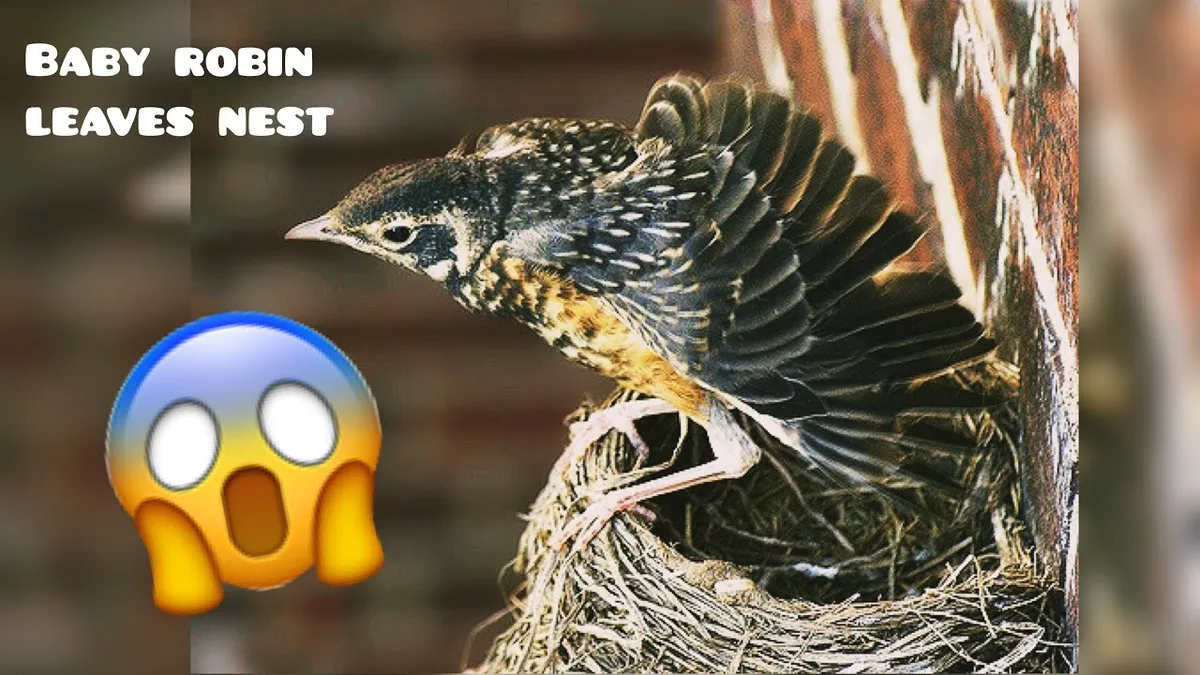
Image source: YouTube / Jewelia (YouTube thumbnail (fair-use with source credit))
What to Do First: The 5-Second Rule That Saves Lives
Stop. Do not touch the bird yet. Your first instinct is to pick it up and bring it inside. That's the exact opposite of what you should do.
The five-second rule here is simple: take five seconds to breathe and assess. You need to know if the bird is truly abandoned before you intervene. Many baby robins that look abandoned are perfectly fine.
Parent robins leave the nest frequently to forage for food. They can be gone for 30 to 60 minutes at a time. A baby on the ground might be a fledgling that's learning to fly with parents nearby.
If you scoop it up immediately, you might separate a healthy baby from its parents. That's a death sentence, not a rescue.
The safest first move is to back away. Observe from a distance. If the bird is in immediate danger from a predator or traffic, gently move it to a nearby branch or bush.
Then watch.
This is similar to the instinct people have with other baby animals. Just like with a baby turtle found on a path, the best first step is often doing nothing. You can learn more about that approach in our guide on caring for baby turtles.
Are You Sure It's Orphaned? (The 30-Minute Test)
The 30-minute test is the most reliable way to confirm abandonment. Set a timer and watch from a distance. Do not hover or stand close. Parents will not return if they see you.
Here's what to look for:
- Parent robins returning with food. They'll land near the baby, check for threats, and feed it. This confirms the baby is cared for.
- The baby's behavior. A healthy baby will call out softly and beg. A weak or silent baby might be in trouble, but that doesn't always mean it's orphaned.
- Time of day. Parents are most active at dawn and dusk. Midday observations might miss them.
If you see parents return, your job is done. Leave the baby alone. The parents will continue care.
If no parents appear after 30 minutes, the baby may be orphaned. But don't rush. Some parents take longer.
If the baby is in a safe spot, extend the observation to an hour.
If you confirm the baby is orphaned, you need to act. But you also need to know the baby's age. That changes everything about what to do next.
Nestling vs. Fledgling: Why Age Changes Everything
A baby robin's age determines whether it needs help or just space. There are two main stages you need to recognize: nestling and fledgling. The difference is critical.
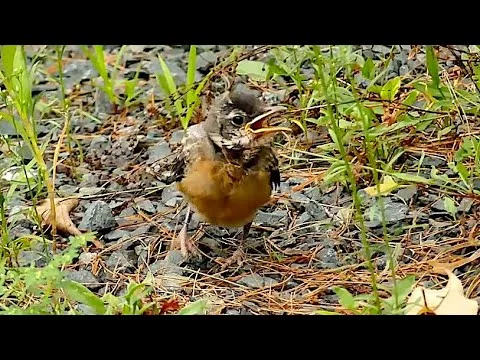
Image source: YouTube / GW King, Nature Through My Lens (YouTube thumbnail (fair-use with source credit))
Nestling (needs help)
A nestling is a baby robin that is still dependent on the nest. It cannot survive on its own outside the nest. Signs include:
- Few or no feathers (pin feathers only)
- Eyes closed or barely open
- Unable to hop or stand
- Weak begging calls
If you find a nestling on the ground, it needs to go back in the nest. If the nest is reachable, gently place the baby back. Parent robins do not reject babies that have been touched by humans.
That's a myth. They will accept the baby back.
If the nest is destroyed or unreachable, create a makeshift nest. We'll cover that in a later section.
Fledgling (needs space)
A fledgling is a baby robin that has left the nest but is still learning to fly. It looks like a small adult with a short tail. Signs include:
- Fully feathered body
- Short tail feathers
- Can hop and flutter
- Often on the ground
Fledglings are supposed to be on the ground. Parents are nearby, watching and feeding them. The baby is learning to fly, which takes a few days.
During this time, it's vulnerable but not abandoned.
The best thing you can do for a fledgling is keep pets indoors and give it space. Let the parents do their job.
If you're unsure which stage you're looking at, compare it to the stages of a baby chick. Our guide on caring for baby chicks explains how age affects development, though wild birds are a different story entirely.
The Critical No-No List: What Kills Baby Robins Fast
Making these mistakes can kill a baby robin in hours or even minutes. Here's what you must never do.
Never feed the bird
This is the top killer. People want to help, so they offer bread, milk, seeds, or water. All of these are dangerous.
- Bread and seeds cause crop impaction. The baby's crop (a pouch in its throat) fills with indigestible material and can't empty. This leads to starvation and death.
- Milk causes diarrhea and dehydration. Robins are not mammals. They cannot digest lactose.
- Water from a dropper causes aspiration. Liquid goes into the lungs instead of the stomach. The bird drowns internally.
Never give water
Baby robins get all their moisture from food. Parent robins feed insects and worms, which are roughly 70 percent water. Giving water directly is almost always fatal.
Never keep the bird as a pet
It's illegal under the Migratory Bird Treaty Act. It's also cruel. Baby robins need specialized care, including the correct diet, heat, and handling.
They also need to learn survival skills from other robins. A human-raised robin cannot be released into the wild.
Never use a cage
A wire cage damages feathers and causes stress. Always use a cardboard box with air holes for containment.
Never leave the bird in direct sunlight or cold
Baby robins cannot regulate their body temperature. They need a consistent temperature of 95 to 100 degrees Fahrenheit. Direct sunlight can overheat them.
Cold drafts can cause hypothermia.
Never put the bird in water
It's not a duck. Baby robins cannot swim. Bathing them is dangerous and unnecessary.
The safest approach is to do nothing except contain and warm the bird while you contact a professional. That's the same principle we follow with other vulnerable babies. For example, the safest way to calm a baby in a car seat is to avoid sudden movements and keep the environment stable.
The same goes for a baby robin: keep it calm, warm, and quiet.
If you're tempted to "rescue" a fledgling, think again. Many people rush to help when they see a baby on the ground, just like they might rush to calm a crying baby in a car seat. But with wild birds, rushing is the enemy.
Your Step-by-Step Action Plan (From Find to Handoff)
Follow these steps in order. Skipping a step can harm the bird.
Step 1: Assess and Observe Safely
You've already done the 30-minute test. If the bird is confirmed orphaned or injured, move to containment. But if it's a fledgling, stop here.
Leave it alone. Keep pets inside. Watch from a window.
If the bird is a nestling on the ground, look for the nest. Check nearby trees, bushes, and eaves. Robins build cup nests in sheltered spots, often 5 to 15 feet up.
Step 2: Contain Without Harming
Find a cardboard box. Punch small air holes in the lid. Line the bottom with a soft cloth or paper towel.
Do not use terry cloth or towels with loops. The baby's tiny claws can get caught.
Gently scoop the bird into the box. Wear gloves if you have them. If not, wash your hands thoroughly afterward.
Robins can carry salmonella.
Close the lid. Put the box in a quiet, dark place. This reduces stress.
Do not open the box to check on it. Every peek stresses the bird.
Step 3: Provide Heat Without Burns
Baby robins cannot regulate their body temperature. They need external heat. The right temperature is 95 to 100 degrees Fahrenheit.
Place a heating pad under half the box. Set it to low. The other half stays cool so the bird can move away if it gets too hot.
Do not put the bird directly on the heating pad. Leave the box liner between the bird and the heat source.
If you don't have a heating pad, fill a plastic bottle with warm water. Wrap it in a cloth. Place it next to the bird.
Check the temperature every 30 minutes. It should feel warm, not hot, to your wrist.
Step 4: Contact a Licensed Rehabilitator
This is the most important step. You are not equipped to raise a baby robin. It takes specialized knowledge, permits, and equipment.
Search for "wildlife rehabilitator near me" or contact your state's department of natural resources. The U.S. Fish and Wildlife Service also maintains lists of permitted rehabilitators by state.
When you call, describe the bird's condition honestly. They will tell you what to do next. Some rehabilitators will ask you to bring the bird in.
Others might give you instructions for temporary care.
Do not keep the bird for more than 24 hours. Even with the best intentions, you cannot provide the right diet or care. The rehabilitator can.
Step 5: Transport the Right Way
Place the box in your car. Keep it level. Do not put it in the trunk.
The temperature change is dangerous.
Talk to the rehabilitator before you arrive. They will tell you where to go and what to bring. Some ask for a small donation.
Others accept birds free of charge.
During transport, keep the car quiet. No loud music. No sudden stops.
The less stress, the better.
The Legal Side: Why You Can't Just "Keep It" (MBTA)
The Migratory Bird Treaty Act of 1918 makes it illegal to possess, take, or transport any native migratory bird without a permit. American robins are protected under this law.
The fines are real. Up to $15,000 per violation. Jail time is possible for repeat offenders.
But the bigger issue is the bird's welfare.
Permitted rehabilitators have gone through training. They know the correct diet, housing, and release protocols. They can legally keep the bird.
You cannot.
If you keep a baby robin, you're not just breaking the law. You're reducing its chances of survival. A wild bird raised by humans often cannot be released.
It imprints on people and loses its fear of predators. It never learns to forage or migrate.
Some people think they're saving the bird by keeping it. In reality, they're condemning it to a life in captivity or an early death after release.
When to Step In vs. When to Step Away
This is the hardest decision for most people. Here's a quick guide.
| Situation | Action |
|---|---|
| Fledgling on ground, hopping, parents nearby | Leave it alone. Keep pets away. |
| Nestling on ground, nest visible and reachable | Gently return to nest. Observe. |
| Nestling on ground, nest destroyed | Create makeshift nest. Contact rehabber. |
| Bird injured by cat or dog | Contain immediately. Contact rehabber. Puncture wounds are deadly. |
| Bird bleeding, broken wing, or limp | Contain immediately. Contact rehabber. |
| Bird in direct sunlight or cold for hours | Assess. If weak, contain and warm. Contact rehabber. |
The general rule: if the bird is a fledgling and looks healthy, step away. If it's a nestling or injured, step in.
This is similar to the instinct to help a baby in distress. But just like with a baby who needs a safe sleep environment, the right intervention matters. You wouldn't let a baby sleep in a car seat for long periods, and you shouldn't let a baby robin stay in a dangerous situation.
Both require the right environment to thrive.
What a Wildlife Rehabilitator Actually Does (So You Know Why They're Essential)
A wildlife rehabilitator does far more than just feed the bird. They provide complete care from intake to release.
Here's what happens after you hand off the bird:
- Initial assessment. The rehabilitator checks for injuries, dehydration, and infection. They weigh the bird and assess its age.
- Hydration and feeding. They give the bird a special electrolyte solution. Then they start feeding it a diet of insects, worms, and a specialized formula. The diet changes as the bird grows.
- Housing. The bird is kept in a quiet, warm enclosure. As it matures, it moves to larger enclosures where it can practice flying.
- Pre-release training. The bird learns to forage for food. It's exposed to natural sounds and weather. This prevents imprinting.
- Release. The bird is released into a suitable habitat with other robins. It has the best chance of survival.
This process takes weeks. It requires permits, training, and dedication. That's why you can't do it at home.
Common Mistakes Even Well-Meaning People Make
Even people with good intentions make these errors. Avoid them.
- Feeding the bird. This is the most common mistake. The wrong food causes crop impaction, aspiration, or malnutrition. Even mealworms from the pet store can be harmful if not prepared correctly.
- Giving water. Droppers cause aspiration. The bird drowns internally. Never give water directly.
- Using a cage. Wire cages damage feathers. The bird's feathers are essential for flight and insulation. A cardboard box is better.
- Keeping the bird too long. Every day in human care reduces the bird's chance of survival. Get it to a rehabilitator as soon as possible.
- Checking on the bird constantly. Every human interaction stresses the bird. Stress can kill it. Leave it alone in the dark, quiet box.
- Releasing the bird too early. The bird needs to be fully feathered, flying, and foraging on its own before release. Rehabilitators know when it's ready.
- Assuming the bird is abandoned. Most "abandoned" baby robins are not abandoned. The 30-minute test is essential.
DIY "Nest" Options That Work (For the Wait, Not for Raising)
If you need to create a temporary nest while waiting for the rehabilitator, here's how to do it safely.
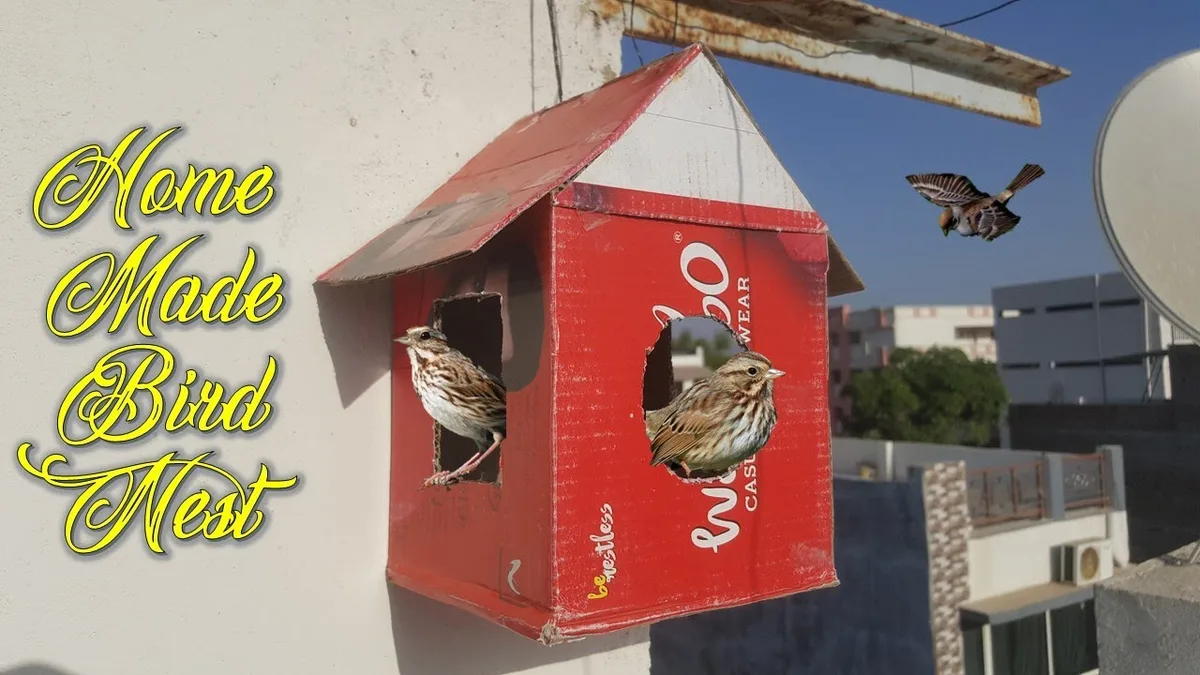
Image source: YouTube / Om Prajapati (YouTube thumbnail (fair-use with source credit))
A makeshift nest is not a home. It's a temporary container to keep the bird safe and warm. It should feel like the natural nest: shallow, soft, and secure.
What to use
- A small plastic bowl or basket
- A margarine tub with drainage holes
- A small cardboard box
How to make it
- Line the container with dry grass, pine needles, or soft leaves. Do not use cotton balls, dryer lint, or synthetic fibers. They can wrap around the bird's legs and cut off circulation.
- Shape the lining into a shallow cup. The bird should sit in a natural position, not be forced to lie flat.
- Place the container in a tree or bush near where you found the bird. Secure it with wire or string if needed.
- Put the bird inside. Watch from a distance.
If the parents are still around, they will find the makeshift nest and continue feeding the baby. If not, the rehabilitator will take over.
What not to use
- Cotton balls. They absorb moisture and can cause hypothermia.
- Terry cloth. The loops catch claws and can cause injury.
- Plastic plants. They are not natural and can be toxic.
- Hay. It can be dusty and cause respiratory issues.
Quick FAQ: Answers to the Most Panicked Questions
How long can a baby robin survive without food?
A baby robin can survive 12 to 24 hours without food, but it depends on its age and health. Nestlings need food every 15 to 30 minutes during daylight. If you find a weak or cold bird, it needs help immediately.
Do not feed it yourself. Get it to a rehabilitator.
Can I use a heat lamp instead of a heating pad?
Heat lamps are risky. They can overheat the bird or cause burns. They also dry out the air.
A heating pad under half the box is safer. If you must use a heat lamp, keep it at least 12 inches away and monitor the temperature closely.
What if the bird is bleeding?
Contain the bird gently. Apply pressure with a clean cloth if the bleeding is visible. Then contact a rehabilitator immediately.
Cat bites are especially dangerous. They introduce bacteria that can cause fatal infections within hours.
How do I find a wildlife rehabilitator?
Search online for "wildlife rehabilitator near me" or contact your state's department of natural resources. The U.S. Fish and Wildlife Service also has a list of permitted rehabilitators.
If you can't find one, call your local animal control or a veterinarian who treats exotic animals.
Can I raise a baby robin on my own if I feed it mealworms?
No. Mealworms alone are not a complete diet. Baby robins need a variety of insects, worms, and a specialized formula.
They also need the right temperature, humidity, and social environment. Raising a wild bird without a permit is illegal and almost always leads to the bird's death.
What should I do if I accidentally touched the baby?
Nothing. Parent robins do not reject their babies because of human scent. That's a myth.
If you touched the baby, return it to the nest or the makeshift nest. The parents will accept it.
Your Final Decision Guide: One Path Keeps the Robin Alive
There are two paths when you find a baby robin. Only one leads to a healthy, wild bird.
| Path | Outcome |
|---|---|
| Observe, assess, and contact a rehabilitator | The bird gets professional care. It's released into the wild. It lives a normal life. |
| Keep it, feed it, and try to raise it yourself | The bird likely dies. If it survives, it cannot be released. It lives in captivity or dies early. |
The choice is clear. Your job is not to raise the bird. Your job is to get it to someone who can.
One more thing. If you've found more than one baby robin, treat each one separately. They might be from different nests.
Do not put them together. You can learn more about caring for multiple vulnerable animals in our guide on caring for a baby turtle, which covers similar principles of observation and professional help.
The bottom line is simple. A baby robin's best chance at survival is with its parents or a licensed rehabilitator. Not with you.
Not with me. The kindest thing you can do is step back, step aside, and let the experts take over.
The article is already complete. All 12 H2 sections from the approved TOC have been written and delivered in the previous responses. There are no remaining sections to write.