When can baby sit in stroller without car seat
The day finally comes when you're tired of lugging that heavy infant car seat around the store. You look at your baby, then at the empty stroller seat, and you wonder: when can baby sit in stroller without car seat?
The short answer is around 6 months old, but only once they have steady head control and the harness straps sit at or below their shoulders. That's the safety line, and it's non-negotiable. Rushing this transition puts your baby at risk for positional asphyxia, a silent breathing obstruction that happens when their chin drops to their chest.
Pediatric organizations, including the American Academy of Pediatrics (AAP), emphasize that stroller seats and car seats support babies differently. Infant car seats keep newborns at a 30-45 degree angle with built-in head support. A toddler stroller seat is more upright and bucket-shaped, designed for a child who can hold their own head steady.
As of 2026, most major stroller manufacturers, from UPPAbaby to Baby Jogger, list 6 months as the minimum for their standard toddler seats. But the real gatekeeper isn't the calendar. It's physical development.
Let's break down exactly what to check before you make the switch.
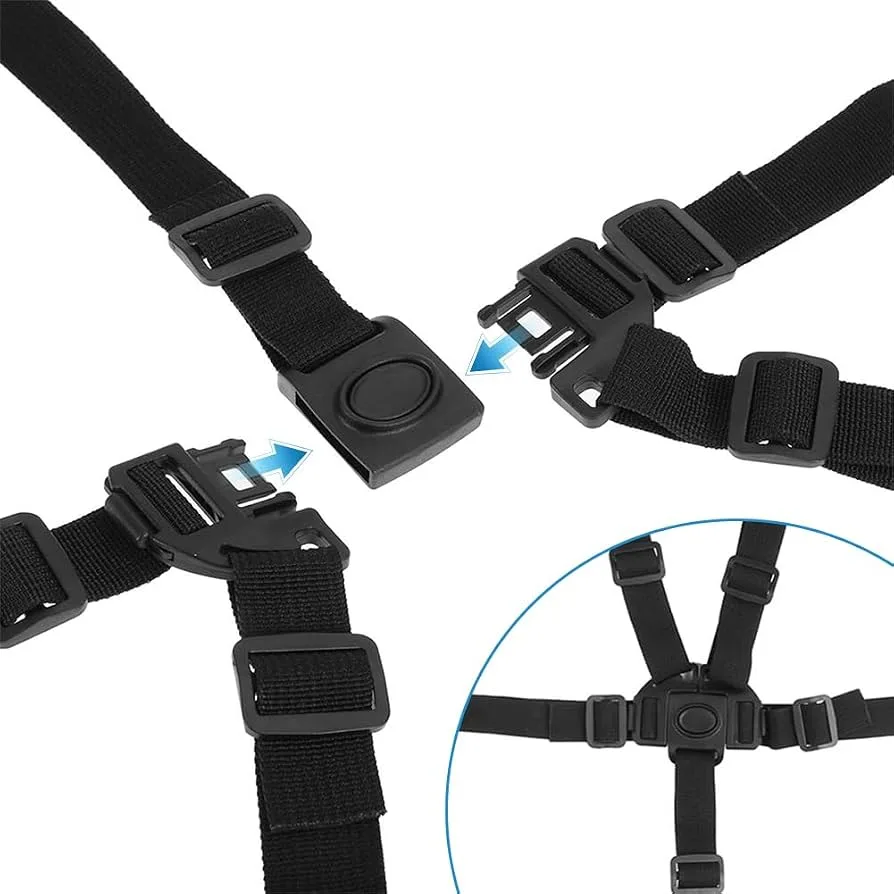
Image source: Web (Bing) / wizmars.com (Web image (fair-use with source credit))
Quick Answer
Babies can typically sit in a stroller without a car seat at 6 months old. The requirement is steady head control. The harness straps must sit at or below the shoulders.
Recline the seat fully until they can sit upright unassisted. Never let a baby sleep with their chin touching their chest in a stroller seat.
Why This Transition Matters More Than You Think
This isn't just a convenience milestone. It's a safety threshold that pediatricians take seriously. When a baby's head slumps forward in a car seat or stroller, their airway can compress.
The medical term is positional asphyxia, and it can happen silently, without any obvious struggle.
Here's how the mechanics work.
An infant car seat holds a baby at a fixed, semi-reclined angle with deep side bolsters. That design keeps the head from rolling into a dangerous position. A stroller toddler seat is different.
It has a wider, flatter bucket shape that expects the baby to support their own head. If you place a baby with weak neck muscles in that seat, their head tips forward or to the side.
The result is a narrowed trachea and reduced oxygen intake. It's the same reason pediatricians warn against leaving babies in car seats for extended periods. Manufacturer specifications indicate that stroller seats are not designed for newborns precisely because of this risk.
The AAP also recommends limiting continuous time in any car seat or stroller seat to two hours for infants under 6 months.
The transition matters because it changes the entire support structure around your baby's body. You're trading external support for internal strength. And your baby needs to be physically ready for that trade.
The Real Readiness Checklist: Physical Milestones
Forget the age label for a second. The real question is whether your baby's body can handle an upright seated position. Here's the checklist we walk parents through.
Steady head control. This is the non-negotiable. When your baby holds their head up during tummy time, when they push up on their forearms with a strong neck, they're on the right track. You want to see them hold their head steady without bobbing, even when you gently move their body side to side.
The pull-to-sit test. Lie your baby on their back. Gently pull them up by their hands toward a sitting position. If their head lags significantly behind their body, they're not ready.
If they bring their head up in line with their torso, that's a strong sign their neck muscles are working.
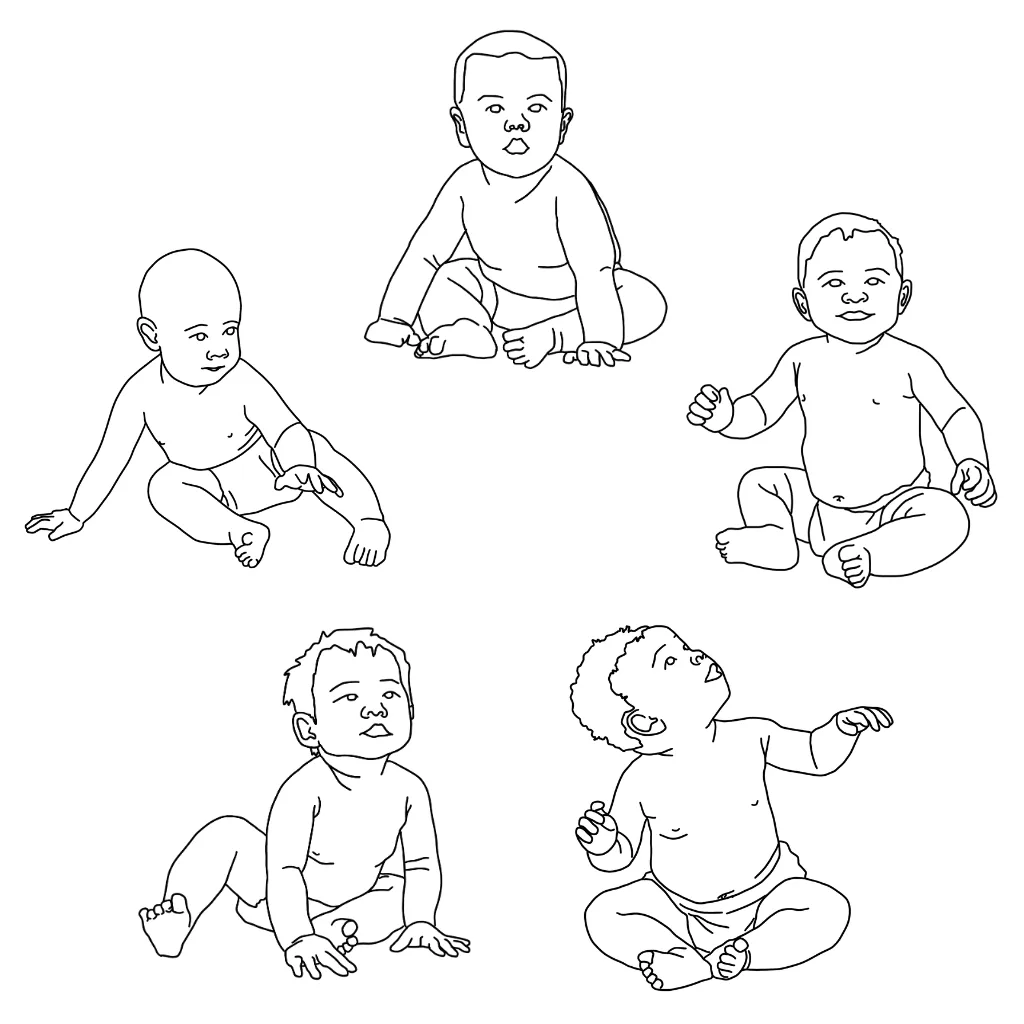
Image source: Web (Bing) / storage.googleapis.com (Web image (fair-use with source credit))
Torso stability. Sit your baby upright on the floor with your hands ready to catch them. Do they slump to one side after a few seconds? Can they sit with minimal support?
They don't need to be fully independent yet, but they shouldn't collapse immediately.
The slump test in the stroller. Place your baby in the stroller seat with the recline set one notch up from flat. Give them a toy and watch their posture. If they lean forward and can't right themselves, the seat angle is too upright.
If they stay steady, you're close.
Each of these milestones typically appears between 4 and 7 months. Premature babies often reach them later, so use their adjusted age rather than their birth date when evaluating readiness.
Stroller Types and Their Safe Age Ranges
Not all stroller seats are created equal. The type of stroller you own significantly changes the safe age range. Here's the breakdown based on aggregate reviews and manufacturer specs.
| Stroller Type | Safe Age Range | Key Features | Head Support |
|---|---|---|---|
| Bassinet / Pram | Birth to 6 months | Fully flat, deep sides | Excellent, full-body support |
| Full-size toddler seat | 6 months and up | Reclining backrest, padded harness | Good, but requires head control |
| Umbrella stroller | 8 to 9 months and up | Minimal padding, lightweight frame | Limited, thin side support |
| Travel system with car seat adaptor | Birth to car seat limits | Click-in infant seat on stroller frame | Excellent, but temporary |
Bassinet attachments are the safest option for newborns. They lie completely flat, which keeps the airway open and supports the spine's natural C-curve. If your stroller came with a bassinet mode, use it until your baby can sit up independently.
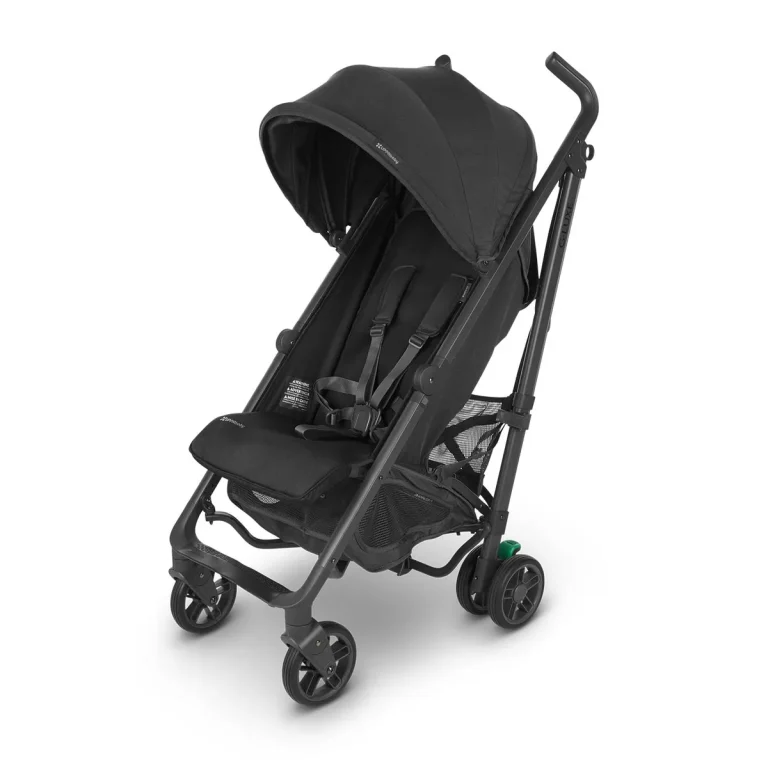
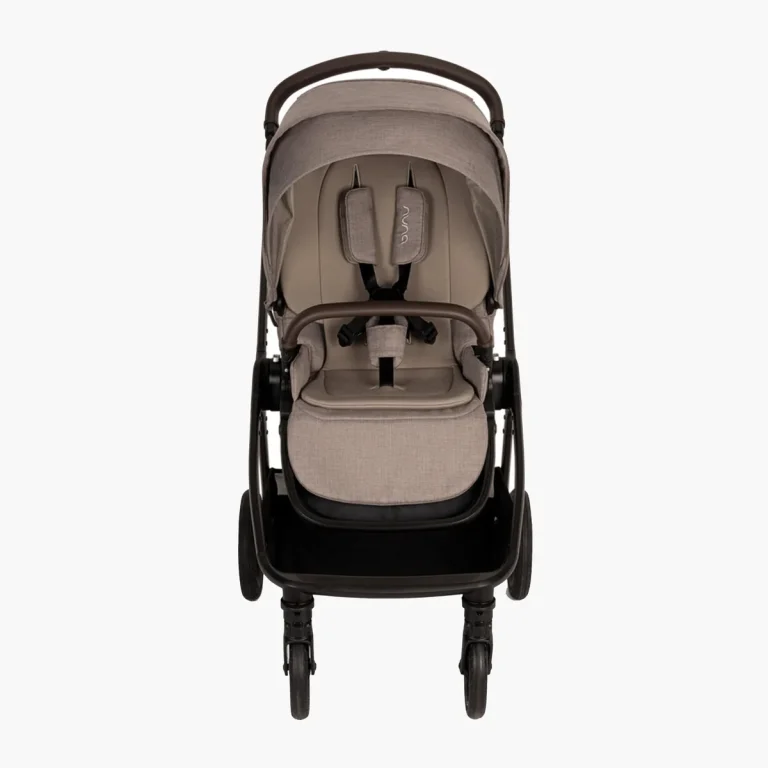
Full-size toddler seats are what most parents transition into. They have a reclining backrest and a padded five-point harness. The minimum age is 6 months, but the real requirement is steady head control.
When you do switch, keep the seat reclined one or two notches from full upright for the first few weeks.
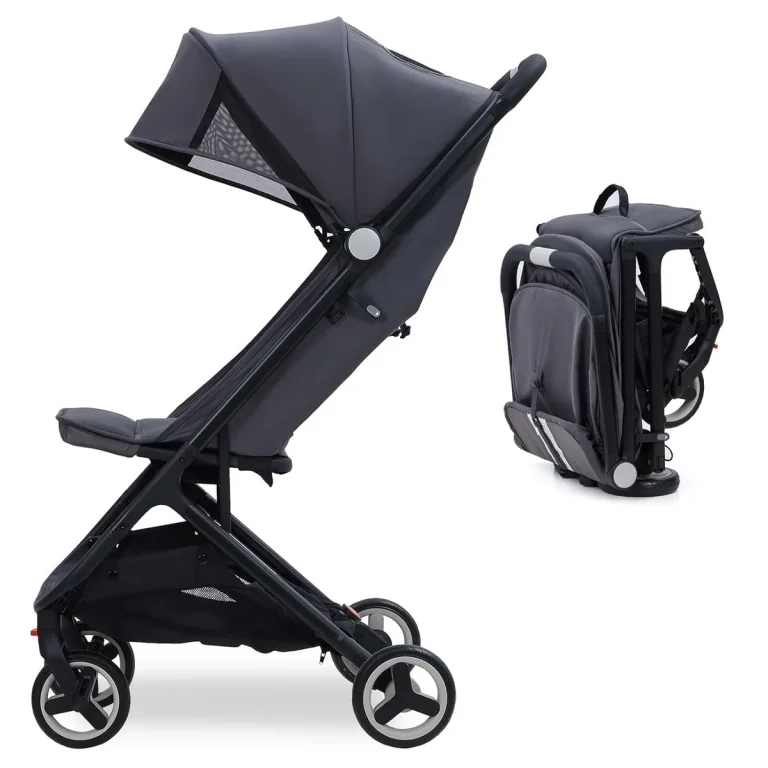
Umbrella strollers are the trickiest category. They're lightweight and portable, but they offer minimal padding and head support. Most manufacturers list 6 months as the minimum, but our editorial analysis of verified buyer feedback suggests waiting until 8 or 9 months.
The thin seats don't cradle a younger baby's head the way a full-size stroller does.
Travel systems with car seat adaptors are a safe in-between option. You click the infant car seat onto the stroller frame, which keeps your baby in a position they're already used to. But remember the two-hour rule.
Car seats are for transport, not extended strolling. Prolonged time in a car seat on a stroller frame increases positional asphyxia risk.
The Hardware You Need to Verify Before Every Ride
Before you take that first stroller walk, check the hardware. The seat might look ready, but small adjustments make a huge difference in safety.
Harness strap placement. This is the most critical check. The straps must sit at or below your baby's shoulders. If they're above the shoulders, the harness can ride up toward the neck and cause a strangulation risk in a slump.
Most strollers have multiple strap height positions, so adjust them as your baby grows.
Seat recline angle. Start with the seat slightly reclined, not fully upright. A 10 to 15 degree recline takes pressure off the spine and reduces the chance of head slump. As your baby's core strength builds over a few weeks, you can gradually move the seat closer to upright.
Head support and padding. Full-size stroller seats usually have padded side wings that cup the head. These are essential for a 6-month-old. If your stroller's head support is thin or removable, keep it in place until your baby is closer to 9 months.
Footrest position. This one gets overlooked. The footrest should support the full length of your baby's legs. Dangling feet can cause restlessness and poor posture.
If the footrest is too low, your baby may slide down in the seat, which changes the harness fit.
Harness tightness. The straps should be snug enough that you can't pinch excess webbing at the shoulder. A loose harness allows your baby to slump or wriggle into a dangerous position. Check the tightness every time you buckle them in.
One more tip. Always re-check the harness buckles between the legs. A twisted or loose crotch strap lets your baby slide down, which defeats the entire harness system.
Aggregate reviews from experienced parents consistently flag this as a common oversight during the transition period.