How Long Do Babies Use a Stroller? A Parent’s Guide
You’ve probably asked yourself this at least once while wrestling a 3-year-old into a seat they clearly don’t want to sit in. The honest answer is that babies use a stroller anywhere from birth to age four, but that wide range hides the real truth. Most children stop riding regularly between 2.5 and 3.5 years old, with timing depending more on physical cues than calendar age.
Manufacturer specifications typically cap standard strollers at 40 to 50 pounds, which many toddlers hit before their fourth birthday. The American Academy of Pediatrics (AAP) notes that walking skills vary widely, so rigid age timelines rarely match reality. Every child follows their own curve, and your routine matters just as much as their leg strength.
Let’s look at what actually signals it’s time to retire the ride.
Quick Answer
Most babies use a stroller from birth through age 3. The average child stops riding regularly between 2.5 and 3.5 years old. Weight limits of 40 to 50 pounds often force the transition earlier.
Walking stamina, not age, is the truest indicator. Watch for your child’s cues and adjust as needed.
The Real Question Isn’t Age—It’s Cues
Ask any pediatric physical therapist and they’ll tell you the same thing. Age is a terrible metric for stroller readiness. Two toddlers born the same week can be worlds apart in walking confidence, endurance, and sheer stubbornness about being confined.
Instead of watching the calendar, watch your child’s body. The real signals appear in how they walk, how long they stay upright, and how they react when you reach for the stroller. Those cues tell you more than any developmental chart ever will.
Here’s the dirty secret most parenting guides skip. The stroller transition is as much about you as it is about your child. Your patience, your energy, and your tolerance for public meltdowns all factor into the equation.
We’ve seen parents retire the stroller at 18 months because their kid was a walking machine. We’ve also seen parents happily pushing a 4-year-old through theme parks because it saved everyone’s sanity. Both choices are valid.
The sweet spot for most families lands between ages two and three. During this window, children build enough leg strength for short distances but still tire quickly on long outings. That mixed capability is exactly why the transition feels so messy.
One day they sprint across the parking lot. The next day they collapse in protest halfway through the grocery store.
Image source: Web (Bing) / aliexpress.com (Web image (fair-use with source credit))
The 3 Signs Your Child Is Ready to Walk More
Sign 1: Steady walking stamina
The clearest indicator is endurance. A child who can walk a full block without asking to be picked up is building real stamina. A child who makes it to the end of the driveway before holding their arms up is not there yet, and that’s okay.
Watch how they move. Steady, rhythmic steps with minimal wobbling suggest their legs and balance are ready. Constant tripping, veering into walls, or asking for a shoulder ride after ten steps means their muscles are still catching up with their ambitions.
A practical test from our research. Try a short, fun walk to a nearby playground or ice cream shop. If they walk the entire way without complaint, they’ve passed the first checkpoint.
If they make it halfway and then refuse to move, they’re telling you their legs need more time.
The key is consistency. One good walking day doesn’t mean they’re ready. Look for a solid week of short walks done without tears or tantrums before you start leaving the stroller at home.
Sign 2: Height and weight vs. stroller limits
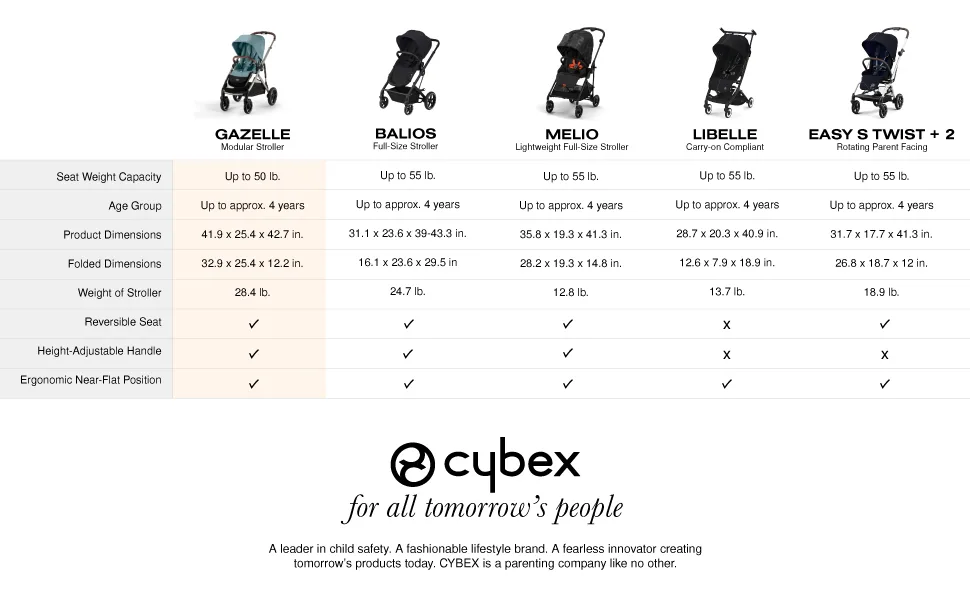
Image source: Web (Bing) / amazon.com (Web image (fair-use with source credit))
Manufacturer specifications exist for a reason. Most standard strollers can handle 40 to 50 pounds. Jogging strollers push higher, often up to 75 pounds.
But weight isn’t the only measurement that matters.
Height creates its own set of problems. A child who’s outgrown the seat’s leg room will drag their feet on the ground, catch their toes on the front wheels, or slouch forward because the canopy is too low. Check your stroller’s manual for height specifications, but also check your child’s comfort during rides.
If they look cramped, they probably feel cramped.
The footrest test from our editorial analysis. Sit your child in the stroller and check their feet. If they rest flat on the footrest with knees slightly bent, the fit is still good.
If their legs dangle straight down or their knees hit the tray, they’ve outgrown that seat. Their comfort matters as much as the weight rating.
There’s also the harness question. When your toddler’s shoulders sit above the top harness slot, the restraint system can’t do its job. That’s a safety issue, not just a comfort one.
The AAP recommends keeping children harnessed until they outgrow the stroller entirely. Once the straps no longer fit properly, the stroller is officially too small.
Sign 3: Emotional readiness (the “I want out” battle)
Some children never tolerate long stroller rides. Others love them well into preschool. The emotional signal is straightforward.
Constant fighting, arching backs, and wriggling to escape are loud messages that the seat doesn’t feel like home anymore.
Then there’s the other side. Children who resist the stroller at home but happily ride during long outings might just need more walking opportunities, not a stroller retirement. Context matters.
The epic meltdown at the mall could be about the stroller or about being tired, hungry, or overstimulated.
A better signal comes from the stroller-free trial. Start with a short errand where walking is the only option. If your child walks alongside you with reasonable compliance, they’re showing readiness.
If they dart into traffic or wrap themselves around your ankles, they’re not emotionally equipped for walking freedom yet.
We call this the “bungee cord stage.” Some toddlers walk straight, some walk everywhere but forward, and some drop to the ground the moment you suggest walking. There’s no wrong way to be a toddler. But honestly evaluate where yours falls before you commit to leaving the stroller in the trunk.
The Parent Side: Lifestyle Factors That Dictate Stroller Use
Your life circumstances matter just as much as your child’s walking ability. A stroller is a tool. And tools get retired when they stop making your life easier, not when they reach some mythical age threshold.
Urban parents navigate a different reality than suburban or rural ones. If you’re using public transit, hauling a stroller up bus steps while a toddler wriggles in your arms is a special kind of exhausting. Many city families retire the stroller earlier simply because it becomes a liability in crowded spaces.
The same toddler who walks fine on sidewalks becomes a flight risk on a train platform.
Suburban parents face the opposite problem. Distances between home, school, and stores are longer. Sidewalks are plentiful but spread out.
A tired toddler who still has to walk half a mile home needs different support than one who just needs to cross a street. For these families, keeping the stroller longer often makes practical sense.
Then there’s the double-stroller dilemma. When you have a baby and a toddler, the older child often gets ejected from the stroller seat to make room. Many families move the toddler to a standing board or a wagon while the baby takes the main seat.
That’s not a retirement. That’s a reshuffling of seating arrangements.
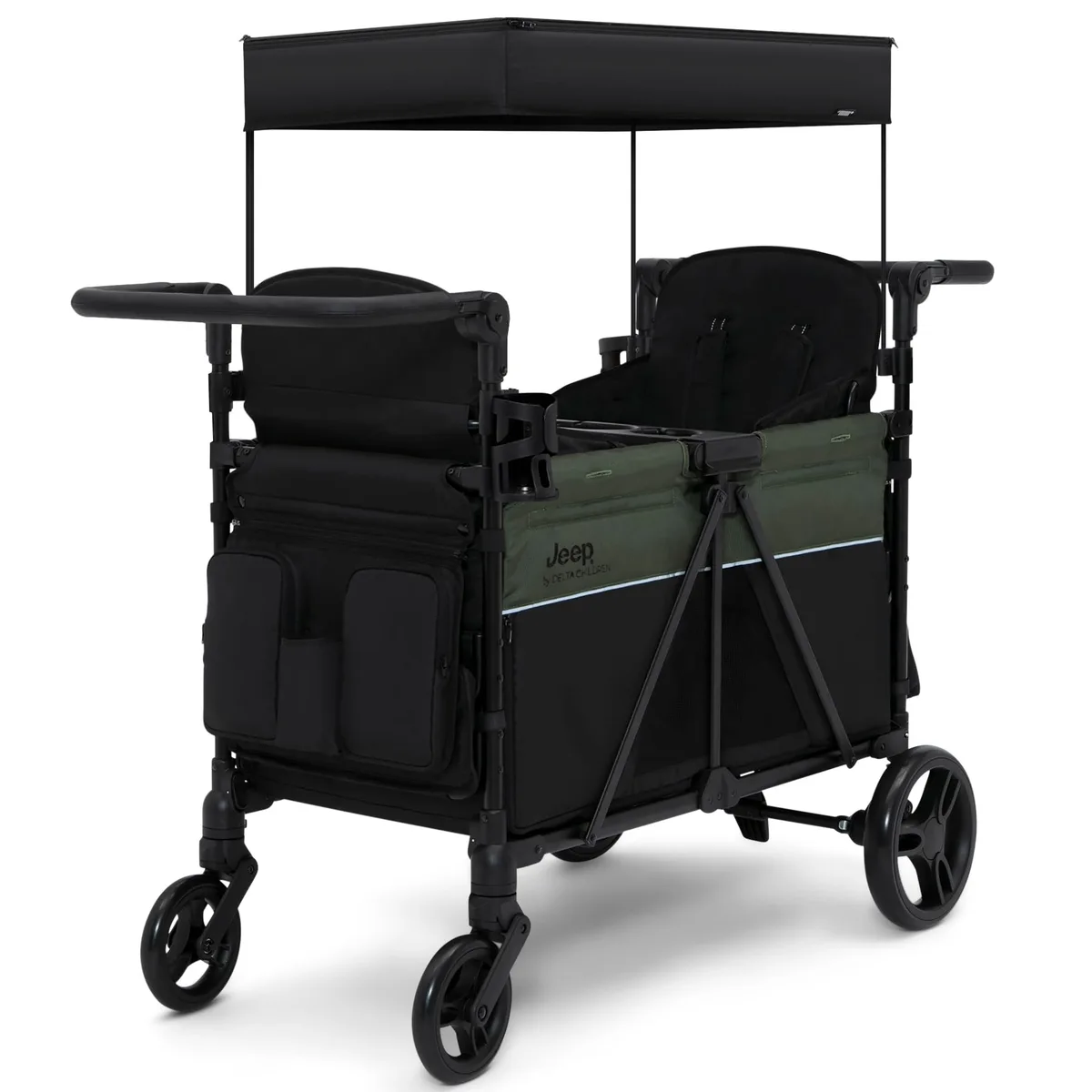
Image source: Web (Bing) / thewearify.com (Web image (fair-use with source credit))
Your physical comfort matters here too. Pushing a 40-pound child plus a diaper bag plus a snack bag plus whatever else you’ve crammed underneath gets heavy. Our research across parent forums shows that back strain is a common reason families switch to lighter alternatives or phase out strollers entirely.
Listen to your body. If pushing the stroller hurts, that’s a valid reason to change things up.
The Destination Test: Where Strollers Still Win (and Where They Fail)
Not all outings are created equal. The stroller’s usefulness shifts dramatically based on where you’re going and what you’re doing. Think of this as the destination test.
Strollers shine in big, crowded, sprawling places. Airports, zoos, amusement parks, and large outdoor festivals are stroller territory. The AAP recommends keeping a stroller as a safety anchor in these environments.
A tired toddler who can’t keep up becomes a falling hazard. A harnessed child can’t dart into a crowd. The stroller keeps them contained, safe, and within arm’s reach.
Museums and indoor play spaces tell a different story. Narrow aisles, tight corners, and staircases make strollers feel like a liability. Many families report leaving the stroller at home or in the car for these trips.
A lightweight carrier or just a strong pair of arms often works better.
The quick errand logic changes everything. A 15-minute trip to the pharmacy with a child who walks fine might not need a stroller at all. The same trip with a 2-year-old who’s having a rough day could be a disaster without one.
Our advice is to keep the stroller handy for errands until you’ve successfully completed several without it.
Public transit deserves special mention. Buses and trains have stroller rules that vary by city. Some require folded strollers during peak hours.
Others accommodate them for free. Check your local transit authority’s policy before you decide whether riding or walking makes more sense for your commute.
The real test comes down to distance, duration, and your child’s energy level. Every outing is a fresh calculation. What worked yesterday might not work today, and that’s completely normal.
Frequently Asked Questions
Is it bad for my 3-year-old to ride in a stroller?
No. Riding in a stroller at age three is developmentally normal and emotionally neutral. Children this age still tire easily on long walks.
Using a stroller for extended outings doesn’t harm their physical development or make them dependent. Balance stroller time with plenty of free walking practice at playgrounds and parks.
My 2-year-old refuses to walk, what do I do?
Start with short, low-pressure walking opportunities. Let them walk from the car to the store entrance while you carry the stroller handle. Praise every step they take independently.
Gradually increase walking distances as their confidence grows. Never force a tired child to walk long distances, that’s a recipe for a meltdown.
When should I drop the stroller from my routine entirely?
There’s no universal deadline. Retire the stroller when it stops serving its purpose. If you’re leaving it in the trunk for weeks at a time because your child prefers walking, you’ve already made the transition.
Keep it for specific occasions like airports or theme parks even after daily use has ended.
Do I need a lighter stroller for an older child?
A switch to a lightweight umbrella stroller can extend stroller usefulness without the bulk. These models are easier to haul in and out of cars and fold down quickly for public transit. They typically have lower weight limits, so check the specs carefully if your child is on the larger side.