Travel Stroller vs Full-Size Stroller: Which Should You Buy?
Most parents buy a stroller before they know what their week actually looks like. When the travel stroller vs full-size stroller decision lands, the answer depends less on brand prestige and more on your daily logistics. A stroller that handles an airport gate-check breezily may feel flimsy on a gravel trail.
A stroller that rides like a dream on sidewalks might sit unused because it refuses to fit in your trunk.
In our research, the average travel stroller weighs 8 to 16 pounds. Full-size models typically land between 20 and 35 pounds. That ten-plus pound gap shows up every single time you fold, lift, or store the thing.
But weight is only half of the story.
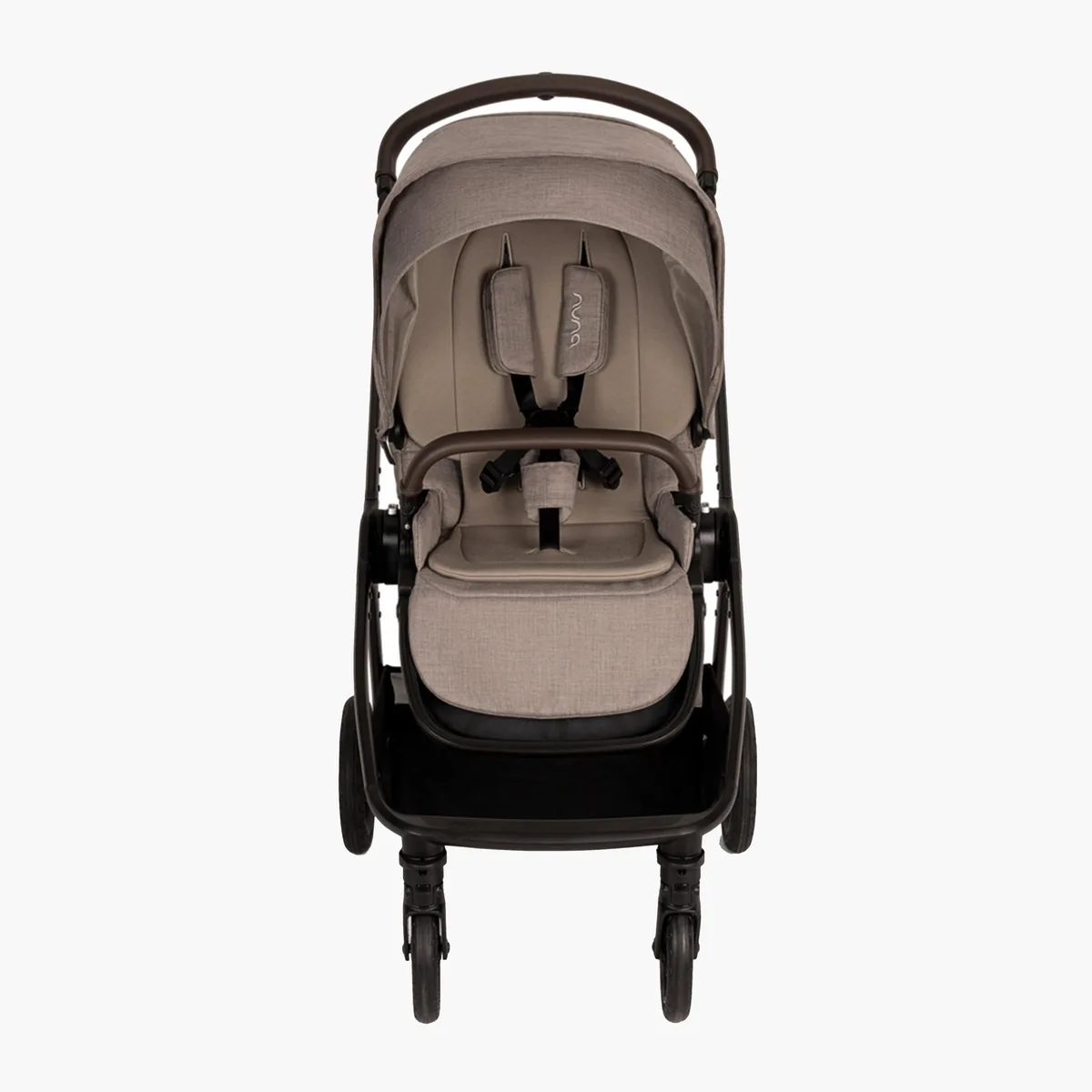
Image source: Bing (Web (fair-use with source credit))
The Real Question Nobody Asks About Strollers
Parents compare specs. Folded dimensions, wheel size, canopy coverage. They stack features side by side and try to declare a single winner.
That misses the point entirely. Strollers are not simply better or worse in a vacuum. They are better or worse for specific lives.
The real question isn’t which stroller wins the spec sheet. It’s which one matches the terrain of your ordinary Tuesday. Are you boarding a plane every other month?
You need something that folds small. Are you walking a mile to the park each morning? You need suspension and a basket.
Manufacturer specifications confirm this split. Travel strollers prioritize weight and folded footprint above everything else. Full-size models prioritize comfort, storage, and durability.
Neither can do all of it well, because every design choice is a trade-off in the other direction.
If you’re just starting to assemble gear for a newborn, the wider context matters too. Take a quick look at what essentials you’ll actually need before you anchor on a stroller alone.
Quick Answer: Which One Should You Buy?
Buy a travel stroller if you fly often or ride transit. Buy a full-size stroller if you drive everywhere and need storage. That’s the basic rule.
Split your weekly routine and count the trips.
If flights and buses dominate, go small first. If car trips and long walks dominate, go full-size with a bigger basket. Families who travel for holidays and drive daily at home often end up wanting both eventually.
Sticking to one type usually means compromise on one side of your life.
When car rides become part of the equation, keep in mind that car seats and strollers interact. Newborns often sleep through car rides, which matters for motion sickness on longer drives once you’re out and about.
What a Travel Stroller Actually Gives You
The Weight and Fold Advantage
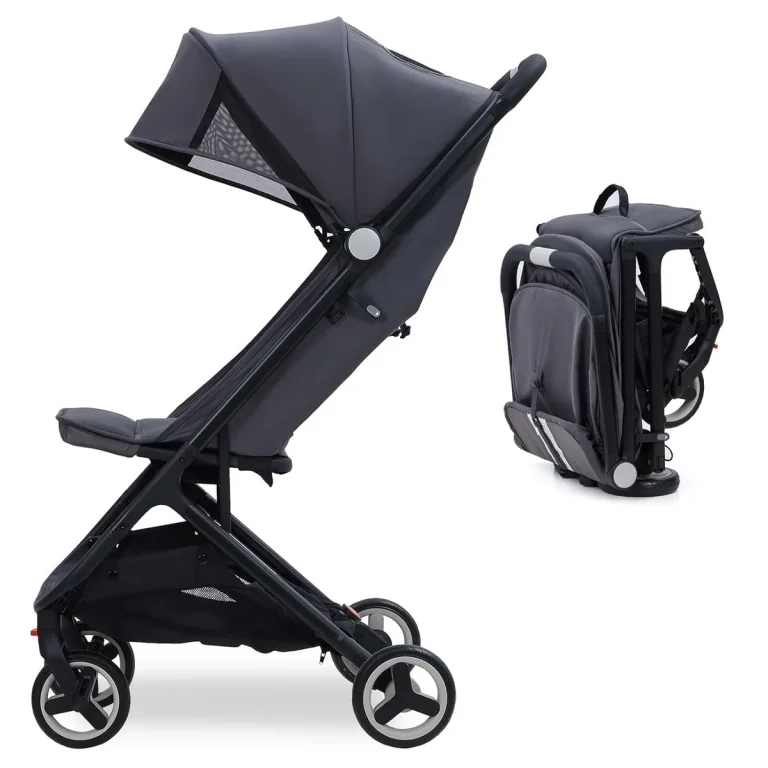
Travel strollers shine when you can pick them up with one hand and tuck them into a coat closet. Aggregate buyer feedback reports that a 14-pound stroller feels dramatically lighter than a 25-pound one, and not just in the gym. You’ll notice the difference lifting it into an SUV, carrying it up stairs, or letting it hang from your shoulder through airport security.
The folded footprint matters just as much. A compact model like the GB Pockit collapses small enough to slide under an airline seat. That same fold fits into a narrow apartment hallway or a crowded coat closet.
For city dwellers, this alone can settle the debate.
Where It Falls Short
The trade-offs arrive quickly. Travel strollers come with smaller wheels, typically 6 to 8 inches, which means every crack and curb rattles through the frame. Suspension is minimal, so the ride feels firm for a sleeping toddler.
Canopies are shorter and storage baskets hold a fraction of what full-size models carry.
Weight capacity also drops. Most travel strollers top out around 40 to 50 pounds. A growing three-year-old might hit that limit before you’re ready to retire the stroller.
Practicing the fold at home also takes time. Getting comfortable with the fold mechanism before your first trip saves you from fumbling at the gate.
What a Full-Size Stroller Does Better
Ride Quality and Everyday Comfort
Full-size strollers live for the long walk. With 10 to 12 inch wheels and real suspension, they absorb sidewalk bumps and grass transitions with ease. The seat is wider and taller, which keeps kids comfortable during an afternoon nap.
Canopies stretch long enough to block midday sun, and the basket swallows a diaper bag plus groceries.
The ride difference is something you feel immediately. A full-size stroller pushes almost effortlessly on a flat path. A travel stroller requires a bit more wrist work, especially with a loaded basket up front.
Storage, Canopies, and Car Seat Compatibility
The storage difference is dramatic. A typical full-size stroller basket holds 15 to 25 pounds of gear. Many travel strollers manage only 5 to 10.
That changes your farmer’s market trip, your playground run, and your daycare drop-off completely.
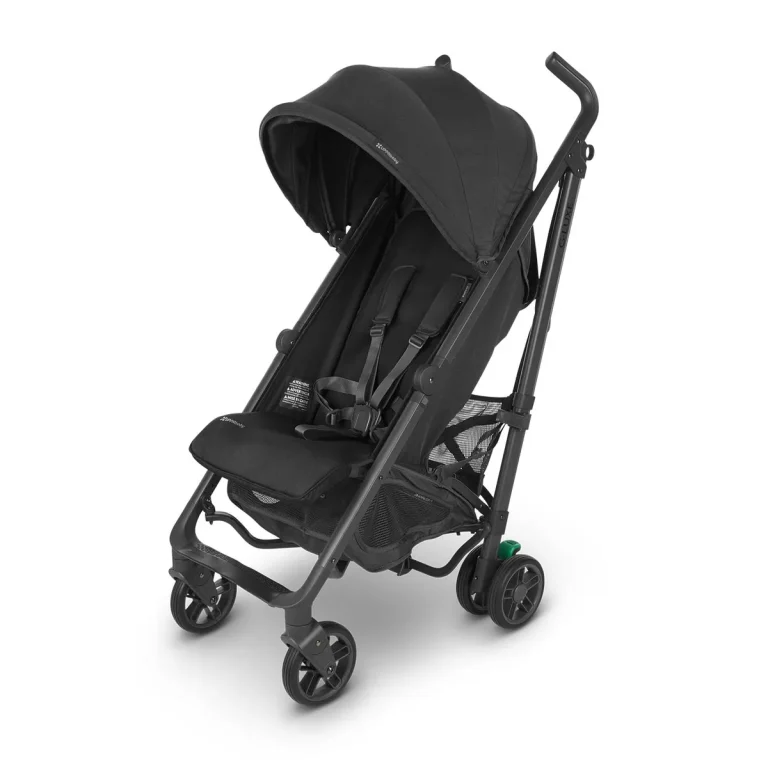
Car seat compatibility is another full-size win. Brands like UPPAbaby and Bugaboo design frames that accept infant car seats with adapters, turning the stroller into a travel system. You can click the seat in and out without waking the baby.
That matters most for parents with newborns making quick transfers from the car. Just make sure you handle a proper car seat installation first, because the adapter only works when the seat itself is secured correctly.
Side-by-Side Comparison: Travel vs Full-Size Stroller
Here’s the quick spec breakdown that covers most families on the market today.
| Feature | Travel Stroller | Full-Size Stroller |
|---|---|---|
| Weight | 8–16 lbs | 20–35 lbs |
| Folded size | Carry-on friendly | Trunk-sized |
| Wheel size | 6–8 inches | 10–16 inches |
| Weight capacity | 40–50 lbs | 55–65 lbs |
| Storage basket | 5–10 lbs | 15–25 lbs |
| Recline positions | 2–3 | 3–5 |
| Price range | $80–$500 | $300–$1,200+ |
Image source: Web (Bing) / pinterest.com (Web image (fair-use with source credit))
Reading this table, you’ll notice one theme. Every advantage comes with a matching cost. A lighter stroller means a firmer ride.
A bigger basket means a heavier frame. None of these numbers are good or bad on their own. They only matter relative to your routine.
The recline range also deserves attention. A travel stroller with only two recline positions might keep your toddler upright but offer little for nap time. A full-size stroller with three to five positions lets you lay the seat nearly flat, which is a lifesaver on long outings.
Weight capacity matters for the long term too. When your toddler approaches the 50-pound mark, you’ll likely switch to a convertible car seat and rethink the stroller entirely. Knowing that step in advance helps you choose the right frame now.
Best For: Matching the Stroller to Your Life
City Dwellers and Public Transit Riders
If you’re taking buses and subways daily, the travel stroller wins without contest. Narrow aisles, steep stairs, and packed cars punish heavy frames. A compact fold lets you collapse the stroller before the bus doors open.
You’ll carry it on your shoulder and hold your toddler’s hand with the other arm.
Suburban Car Families
Full-size strollers belong to the suburbs. Your trunk becomes a designated stroller parking spot. The weight rarely matters because it stays in the car.
What matters is how the stroller handles the walk to the park, the shopping center, and the daycare pickup line. A bigger basket and smoother ride pay off every single day.
Frequent Fliers and Vacationers
Families flying more than twice a year should lean travel. Gate-checking a bulky full-size stroller invites damage and delays. A compact travel stroller can roll down the jet bridge and fold at the door.
Some models even fit in overhead bins, keeping your gear safe and with you.
Families With Two Kids
Two kids changes the math entirely. A single full-size stroller with a ride-on board might cover both. Some travel strollers accept glider boards too, but they struggle under the combined weight.
If you have a baby and a toddler, test the full-size option with both kids before you commit.
The Real Trade-Off: What You Gain and What You Give Up
Weight vs. Stability
Every pound you save on a travel stroller is a pound of material removed from the frame. Lighter frames feel nimble, but they flex more under load. A wobbly handlebar or a front wheel that shimmies at speed becomes obvious on uneven pavement.
Full-size frames feel planted because they have more mass holding them down.
Compact Fold vs. Storage Capacity
That tiny fold comes from shrinking the seat, wheels, and basket. You cannot compress storage capacity the same way. A travel stroller basket fits a small diaper bag.
The full-size version swallows a week’s worth of groceries. Think about how you shop and where you park before you choose.
Budget Math: Where Your Money Goes
Price tells you what sacrifice a manufacturer made. Cheap travel strollers cut suspension and canopy quality first. Premium full-size strollers justify their cost with durable fabrics, air-filled tires, and branded components.
Spending more on either category gets you better materials. It does not turn one into the other.
When One Stroller Isn’t Enough
The Two-Stroller Household Strategy
Many families land on a two-stroller setup eventually. Keep a full-size stroller at home for daily walks and errands. Buy a budget travel stroller for flights, transit, and vacation days.
This approach costs more upfront, but it eliminates the compromises that frustrate parents most.
The strategy works best when you start with the stroller for your dominant routine. If you drive everywhere, buy full-size first. If you fly monthly, start with travel.
Add the second stroller later with your leftover budget.
Hybrid Options Worth Considering
Some brands now offer middle-ground models. The UPPAbaby Minu and Bugaboo Butterfly bridge the gap between the two categories. They weigh 15 to 18 pounds, fold compactly, and still offer decent suspension.
They cost more than basic travel strollers but less than premium full-size models.
A hybrid makes sense for apartment dwellers with a car, or for grandparents who watch kids a few days a week. It handles both airport trips and neighborhood walks acceptably, though it masters neither.
Common Mistakes Buyers Make
Buying a travel stroller for daily neighborhood walks tops the mistake list. The small wheels on uneven sidewalks beat up the child and the stroller frame. Verified buyer feedback reports wobble and premature wear within six months.
If your daily path includes grass, gravel, or cracked pavement, you need an all-terrain or full-size option.
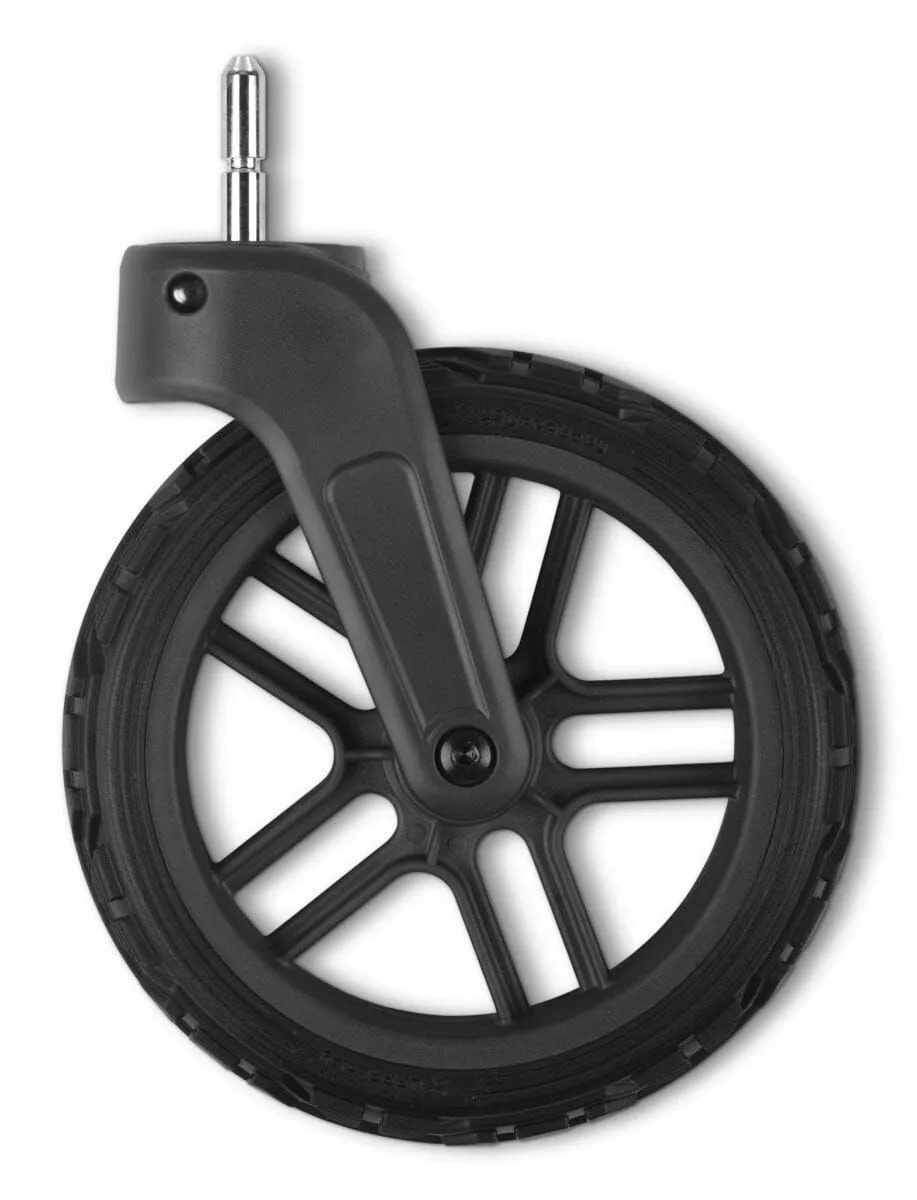
Image source: Web (Bing) / pinterest.com (Web image (fair-use with source credit))
Assuming “lightweight” means “well-built” is another trap. A 15-pound full-size stroller can feel flimsier than a well-engineered 22-pound model. Brand engineering matters more than the number alone.
Ignoring wheel size and terrain reality is the third common slip. Parents fall in love with a compact fold, then discover the stroller rattles across every bump. Test your neighborhood surface before you buy.
A quick push around your block reveals more than any spec sheet.
Costs and Long-Term Value
Price Ranges by Category
Travel strollers start around $80 for basic umbrella frames and climb to $500 for premium carbon fiber models. Full-size strollers range from $300 for solid basics to $1,200 for luxury brands. The sweet spot for a dependable travel stroller sits between $150 and $300.
A full-size model that lasts multiple kids typically runs $400 to $700.
Resale Value and Durability Through Multiple Kids
Premium full-size strollers hold their value well. Brands like UPPAbaby and Bugaboo resell at 50 to 70 percent of retail after two years of typical use. Travel strollers depreciate faster because buyers expect them worn and dirty.
If you plan to reuse the stroller for a second child, the full-size category pays off.
If you’re preparing for a newborn arrival, a stroller is just one piece of the planning puzzle. Take a moment to review what other essentials deserve space in your budget before you finalize the purchase decision.
Frequently Asked Questions
Can I Gate-Check a Full-Size Stroller?
Yes, but it comes with risks. Most airlines let you leave the stroller at the jet bridge and pick it up at the arrival door. Full-size strollers get banged around, and plastic parts often crack.
Travel bags add padding and protect the frame. Consider a compact model for frequent flying instead.
At What Age Do Travel Strollers Stop Working?
Most travel strollers support up to 40 to 50 pounds. That usually covers kids until age three or four. Beyond that, toddlers prefer walking or riding a scooter anyway.
If you need a stroller for an older preschooler, check the seat width and weight limit before committing.
Is a Travel Stroller Safe for a Newborn?
Only if the seat fully reclines. A flat or near-flat recline is required for newborns to keep their heads supported. Many travel strollers lack that position, so you’ll need a bassinet or full-size model for the first few months.
Always check the manufacturer’s minimum age and weight recommendations.
How Long Do Full-Size Strollers Last?
With regular maintenance, a quality full-size stroller lasts through two or three kids. Some families use the same frame for six to eight years. Rubber tires wear faster than foam ones, and fabric fades after long sun exposure.
Replacement parts are widely available for major brands.
Should I Buy a Stroller Before the Baby Arrives?
Yes, but keep the receipt. Newborns need a car seat for hospital discharge, and most parents want a stroller within the first week. Wait until after your baby shower to see what gifts you receive.
Test the fold and lift in person before you commit to a travel or full-size model.
Final Verdict: The Decision Guide
Start with your worst-case day. If that day involves a flight, a subway car, or a walk-up apartment, buy a travel stroller first. If that day involves a car trip, a long walk, or a grocery run, buy a full-size stroller.
Let that single question settle the debate.
For most families, the honest answer is both eventually. Buy the one that fits your dominant routine now. Add the other when travel or daily logistics demand it.
That approach costs a little more, but it saves you from wrestling the wrong tool into a situation it wasn’t built for.
Costs and Long-Term Value
Price Ranges by Category
Travel strollers start around $80 for basic umbrella frames and climb to $500 for premium carbon fiber models. Full-size strollers range from $300 for solid basics to $1,200 for luxury brands from names like Bugaboo and Silver Cross. The sweet spot for a dependable travel stroller sits between $150 and $300.
A full-size model that lasts multiple kids typically runs $400 to $700, and that range buys you real suspension and durable fabric.
Resale Value and Durability Through Multiple Kids
Premium full-size strollers hold their value well in the used market. Brands like UPPAbaby and Bugaboo resell at 50 to 70 percent of retail after two years of typical use. Travel strollers depreciate faster because buyers expect them worn, scratched, and heavily used.
If you plan to reuse a stroller for a second child, the full-size category pays off more in the long run.
Frequently Asked Questions
Can I Gate-Check a Full-Size Stroller?
Yes, but it comes with risks. Most airlines let you leave the stroller at the jet bridge and pick it up at the arrival door. Full-size strollers get banged around in the cargo hold, and plastic parts often crack.
A padded travel bag adds protection and keeps the frame intact. Frequent fliers should consider a compact model instead.
At What Age Do Travel Strollers Stop Working?
Most travel strollers support up to 40 to 50 pounds, which usually covers kids until age three or four. Beyond that, toddlers prefer walking or riding a scooter anyway. If you need a stroller for an older preschooler, check the seat width and the stated weight limit before committing to a specific model.
Is a Travel Stroller Safe for a Newborn?
Only if the seat fully reclines flat. A flat or near-flat recline keeps a newborn’s head supported and airways open. Many travel strollers lack that position, so you will need a bassinet or a full-size model for the first few months.
Always check the manufacturer’s minimum age and weight recommendations before use.
How Long Do Full-Size Strollers Last?
With regular maintenance, a quality full-size stroller lasts through two or three kids comfortably. Some families use the same frame for six to eight years before it wears out. Rubber tires wear faster than foam ones, and fabric fades after long sun exposure.
Replacement parts are widely available for major brands like UPPAbaby and Nuna.
Should I Buy a Stroller Before the Baby Arrives?
Yes, but keep the receipt handy. Newborns need a car seat for hospital discharge, and most parents want a stroller within the first week. Wait until after your baby shower to see what gifts arrive first.
Test the fold and lift in a store before you commit to either category.
Final Verdict: The Decision Guide
Start with your worst-case day. If that day involves a flight, a subway car, or a walk-up apartment, buy a travel stroller first. If that day involves a car trip, a long walk, or a grocery run, buy a full-size stroller.
Let that single question settle the debate for your household.
For most families, the honest answer is both eventually. Buy the one that fits your dominant routine now, then add the other when travel or daily logistics demand it. That approach costs a little more upfront, but it saves you from wrestling the wrong tool into a situation it was never built to handle.