Umbrella Stroller vs Lightweight Stroller: Key Differences
Choosing between an umbrella stroller vs lightweight stroller feels like splitting hairs until you’re wrestling one through a crowded airport or pushing it down a cracked sidewalk. The difference isn’t just weight. It’s about how the stroller handles, how much it holds, and how your back feels after an hour of pushing.
Most parents pick one and end up with something that works for one trip, but not for their daily routine.
Manufacturer specifications show the gap clearly: umbrella strollers typically weigh 6 to 15 pounds and fold into a skinny cylinder, while lightweight strollers range from 15 to 25 pounds with bulkier folds but real suspension and storage. As of 2026, ASTM F833 remains the safety standard for all strollers sold in the US. That spec sheet translates into very different real-world behavior, so let’s break down where each one shines.
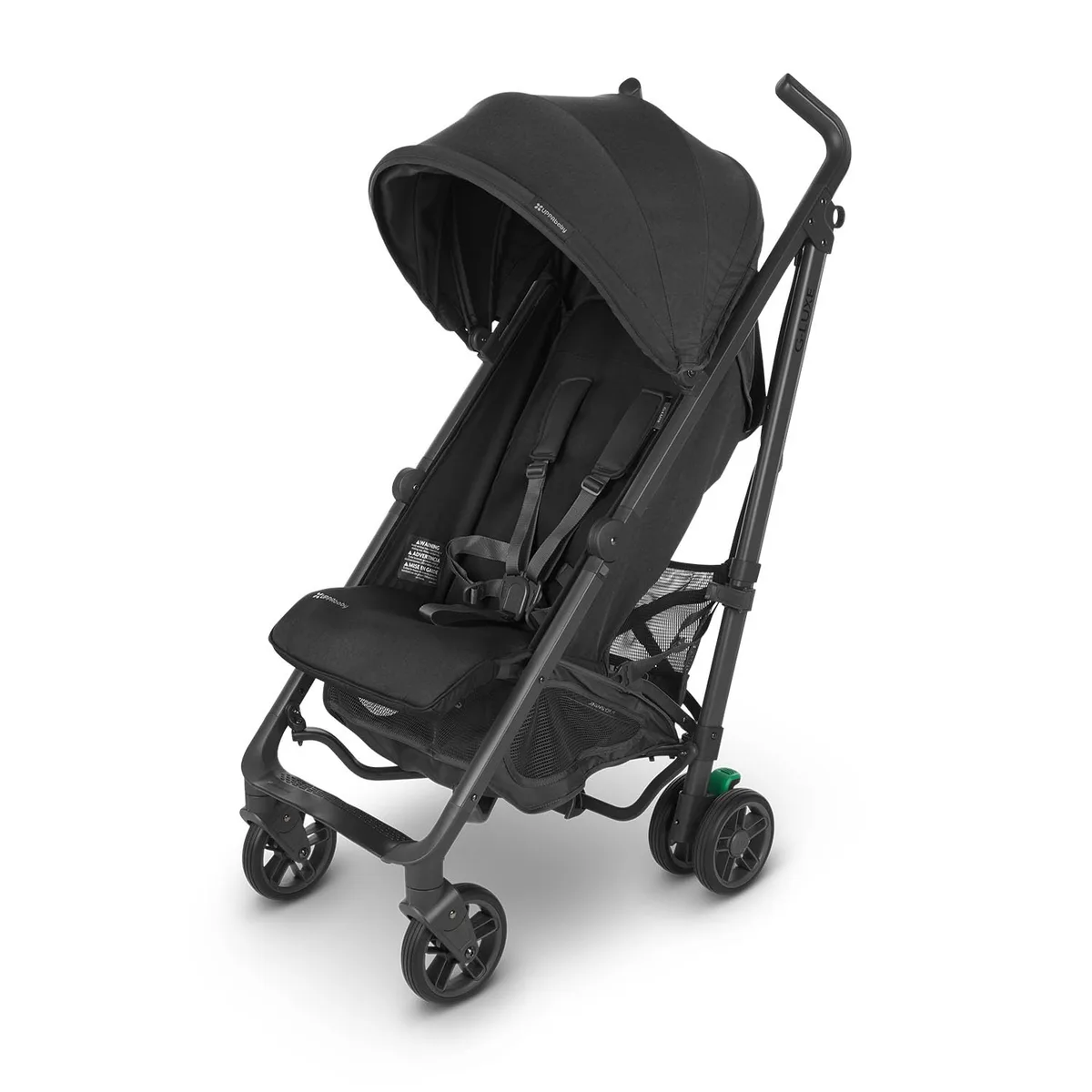
Image source: Web (Bing) / amazon.com (Web image (fair-use with source credit))
The Confusion, Explained
Walk into any baby store and you’ll see a wall of strollers that all look similar. The marketing blur doesn’t help. Brands call everything “ultra-light” or “compact,” making it nearly impossible to tell an umbrella stroller from a legitimately lightweight one.
Here’s the core issue: almost all umbrella strollers are technically lightweight, but not all lightweight strollers are umbrellas. An umbrella stroller is a specific style with a specific fold. It’s designed to be as thin and bare-bones as possible.
A lightweight stroller is a broader category that includes umbrella models but also includes feature-rich strollers that happen to weigh less than 25 pounds.
The hidden cost of picking wrong shows up in small moments. You’re at the grocery store with a loaded diaper bag and nowhere to put it. Your toddler tries to nap but their head keeps flopping forward.
You hit a bump and feel every crack through the handlebar. Aggregate reviews report these frustrations repeatedly, and they all trace back to choosing the wrong category for the wrong use case.
Understanding the real difference between these two stroller types saves you money, saves your back, and keeps your kid comfortable. It’s not about brand loyalty or premium pricing. It’s about matching the stroller’s capabilities to how you actually live.
Quick Answer: The 30-Second Decision Rule
Choose a lightweight stroller for daily use and primary outings. Choose an umbrella stroller as a backup or travel option. Lightweight strollers steer better and carry more.
Umbrella strollers fold smaller and cost less. Pick based on how often you push it.
If your stroller gets used every day, go lightweight. If it sits in the trunk for emergency trips, go umbrella. That’s the entire decision in one sentence.
What Is an Umbrella Stroller, Really?
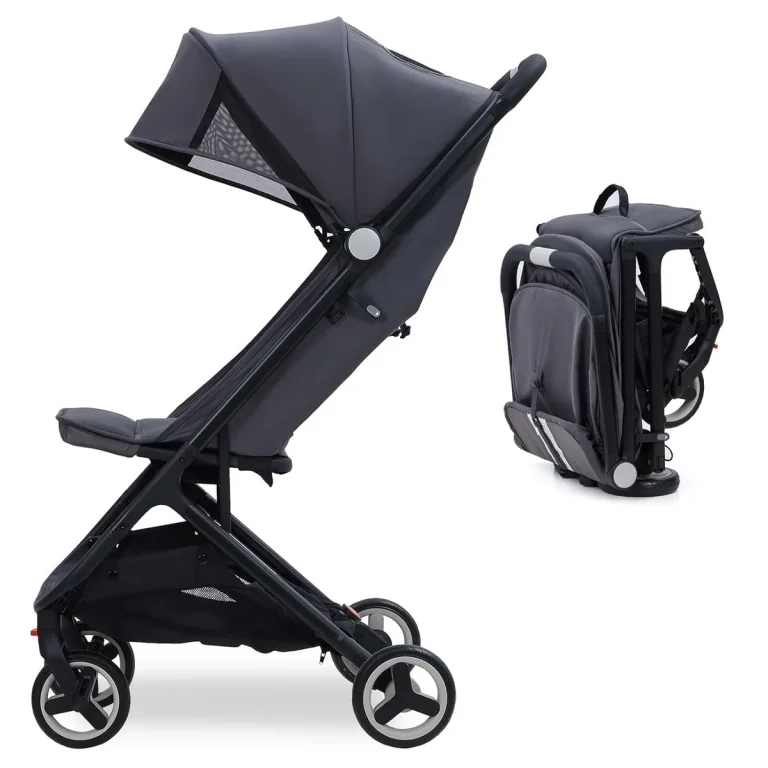
The umbrella stroller gets its name from the fold mechanism. The frame collapses into a long, skinny bundle that fans out when opened, similar to how a rain umbrella works. It’s the classic design your parents probably used in the 1990s, though modern versions have improved materials and safety features.
Typically, umbrella strollers weigh between 6 and 15 pounds. The lightest ones feel almost like carrying a large handbag. Seat capacity usually maxes out around 40 to 50 pounds, which covers most kids until age three or four.
The trade-off for that featherweight frame is stripped-down features. You’ll find basic 3-point or 5-point harnesses, minimal recline (usually a slouch rather than a true nap position), a small canopy that offers partial sun coverage, and no suspension. Wheels are often small plastic discs that work fine on smooth floors but struggle on uneven pavement.
Storage is nearly non-existent. Many umbrella strollers have a tiny underseat pouch or nothing at all. You’ll end up hanging your diaper bag off the handlebar, which can tip the whole thing backward if you’re not careful.
Manufacturer warnings explicitly advise against this, but every parent does it anyway.
Price reflects the simplicity. Umbrella strollers typically cost between $30 and $80. They’re designed for occasional, short-duration use like mall trips, airport sprints, or theme park days where your toddler’s legs give out after two hours.
What Is a Lightweight Stroller, Really?
A lightweight stroller is a full-feature stroller that sheds weight without sacrificing functionality. These weigh between 15 and 25 pounds, which is light enough to lift into a trunk, but heavy enough to feel substantial and stable on the sidewalk. Brands like UPPAbaby, Chicco, Baby Jogger, and Mountain Buggy all make solid versions in this category.
The key difference is engineering. Lightweight strollers include real suspension systems, pneumatic or EVA foam wheels, and frames that don’t flex when you push. Steering feels precise and responsive, closer to a full-size stroller than an umbrella model.
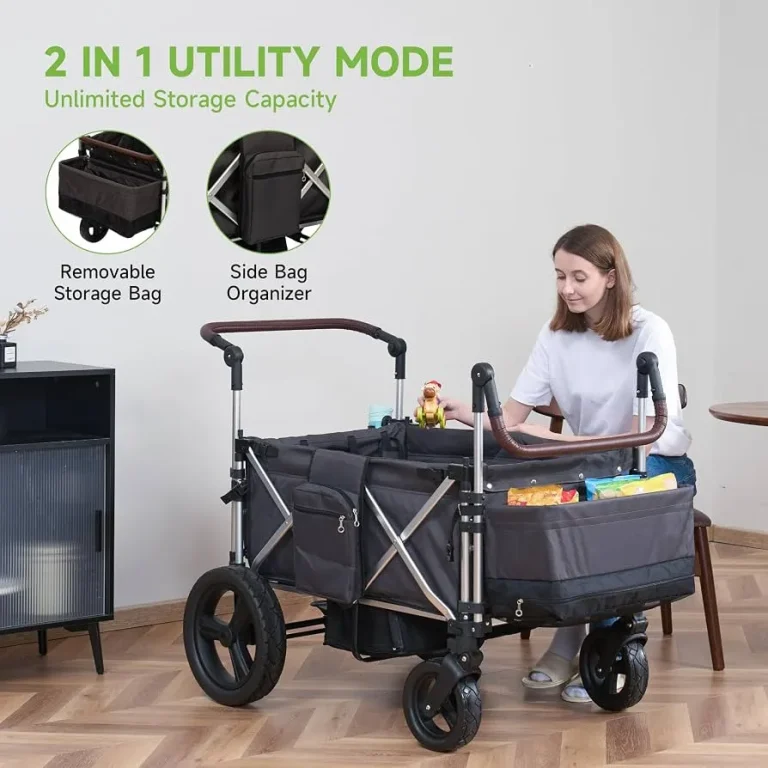
You also get meaningful storage. Most lightweight strollers include a basket large enough for a diaper bag, a few shopping bags, or a bulkier jacket. That under-seat cargo space changes how you run errands.
You stop wearing a backpack everywhere, which makes outings feel significantly easier.
Recline is another differentiator. Instead of a fixed slouch, lightweight strollers offer multiple recline positions, and many lie nearly flat. That’s essential for naps.
A sleeping toddler with a supported head stays asleep longer, which makes your walk more peaceful and your coffee date actually possible.
Canopies on lightweight strollers are substantial. Many extend with zippered panels and carry UPF 50+ ratings, protecting your child from sun exposure during peak hours. Considering the American Academy of Pediatrics recommends sun protection for babies, this feature matters more than most parents realize.
The price range reflects the upgrade. Lightweight strollers typically cost between $150 and $400, depending on brand, materials, and included accessories. That’s a significant jump from an umbrella model, but you’re paying for durability, comfort, and a chassis that won’t wobble apart after a season of daily use.
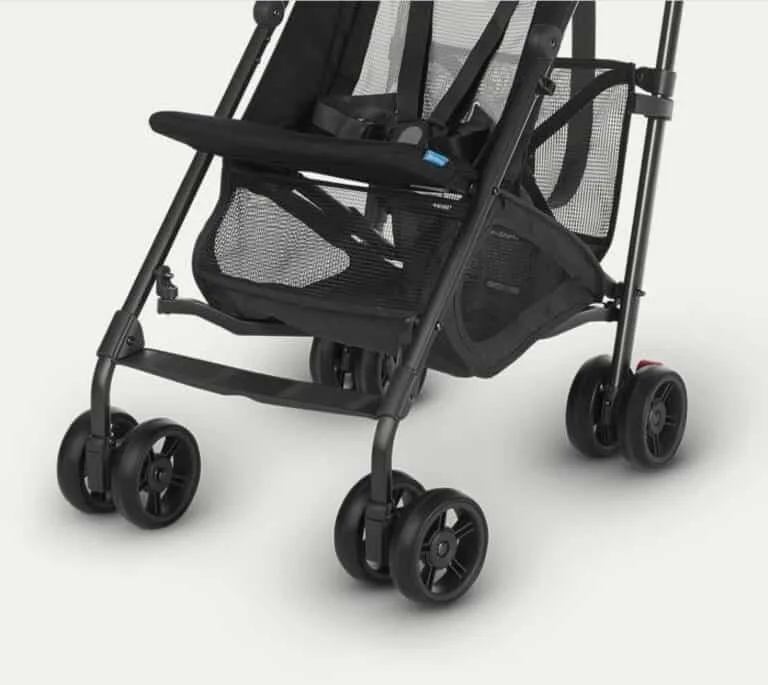
Image source: Bing (Web (fair-use with source credit))
Side-by-Side: The Specs That Actually Matter
When you lay the numbers out, the patterns become obvious. Here’s a clean comparison of the metrics that separate these two categories:
| Feature | Umbrella Stroller | Lightweight Stroller |
|---|---|---|
| Weight | 6–15 lbs | 15–25 lbs |
| Fold Size | Skinny cylinder, fits narrow spaces | Blocky pack, fits trunks and closets |
| Storage Basket | Minimal or none | Decent, fits diaper bag plus extras |
| Steering | Loose, wobbly | Smooth, responsive, precise |
| Recline | Slouch only | Multiple positions, near-flat |
| Suspension | None | Basic to decent shock absorption |
| Canopy | Small, partial coverage | Extendable with UPF 50+ ratings |
| Durability | Occasional use, wears quickly | Daily use, lasts for years |
| Price Range | $30–$80 | $150–$400+ |
| Target Age | 6+ months | 3+ months (with recline) to 5 years |
These specs aren’t just numbers on a page. Weight affects how easily you lift the stroller out of a trunk. Fold size determines whether it fits behind your car seat or on a crowded bus.
Storage capacity influences whether you can do a grocery run without the diaper bag digging into your shoulder.
For travel, umbrella strollers win on pure portability. Per FAA guidelines, strollers must be checked at the gate or placed in overhead bins if they fit. Umbrella strollers slide into overhead compartments easily, while lightweight strollers usually get gate-checked.
If you’re flying frequently and want to minimize hassle, that difference matters.
For daily walking, lightweight strollers dominate. The suspension system absorbs sidewalk bumps, the larger wheels roll over cracks without jarring stops, and the responsive steering makes navigating crowded stores much less stressful. It’s the difference between pushing a grocery cart and driving a well-maintained car.
The cost-per-use math also matters. A $50 umbrella stroller used twice a year costs $25 per use over two years. A $300 lightweight stroller used three times a week costs less than $1 per use over the same period.
If you’re pushing any stroller regularly, the premium option pays for itself quickly.