Baby Essentials: What You Actually Need
You walk into a baby store or open a registry page, and suddenly there are 47 kinds of swaddles, a wall of car seats, and a gadget that warms wipes. The question “what do you need for a baby” should be simple, but it gets buried under marketing noise. Every new parent hits this wall: you want the right stuff, but you don’t want to waste money on things your baby will ignore or, worse, that aren’t safe.
The core list is actually short. As of 2026, the American Academy of Pediatrics (AAP) and the Consumer Product Safety Commission (CPSC) still agree that a baby needs four things to thrive: a safe place to sleep, a car seat that fits, a way to eat, and diapers. Everything else is optional.
Let’s walk through what those four pillars look like so you can build a no-fluff plan.

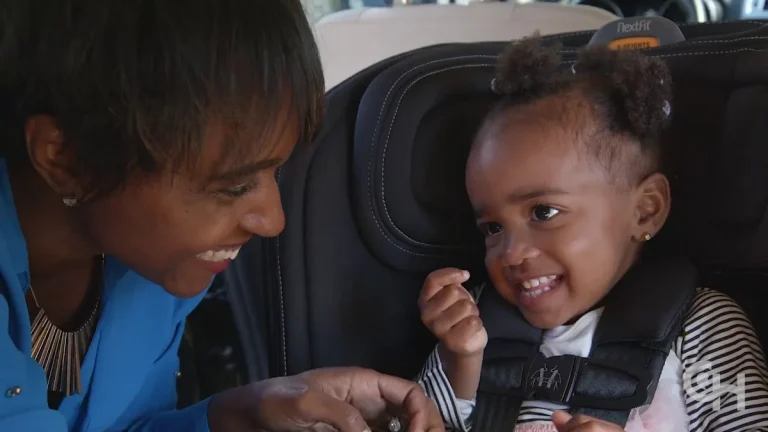
Image source: YouTube / Tallahassee Memorial HealthCare (TMH) (YouTube thumbnail (fair-use with source credit))
Quick Answer
A baby needs a safe sleep space, a car seat, diapers, and a feeding method. Choose a firm crib mattress with a tight sheet. Use a rear-facing car seat installed correctly.
Stock diapers and wipes. For feeding, decide between breastfeeding, formula, or a combination. Skip the extras until you know they help.
That’s the real list.
Why Getting This Right Matters
Getting the newborn necessities wrong isn’t just about wasted money. It can affect your baby’s safety. Each year, hundreds of infant injuries come from unsafe sleep environments like loose bedding or inclined sleepers.
Car seats installed incorrectly lead to unnecessary risks in crashes. Even feeding mistakes, like propping a bottle, can cause choking or ear infections.
So getting a clear, evidence-based answer to “what do you need for a baby” matters because it cuts through the noise. You don’t have time to sort through 500 items. You need a short, battle-tested list that prioritises safety and sanity.
That’s what this guide gives you. Stick with it, and you’ll save money and keep your little one safe.
If you want a deeper look at how professionals organise newborn care, you might find it helpful to explore an infant care framework that breaks down daily routines and safety checks. That kind of structure can build confidence fast.
The Core Truth: What a Baby Actually Needs vs. What's Pushed on You
The baby industry wants you to think your newborn needs a wipe warmer, a bottle warmer, a diaper stacker, a nursery theme, a mobile, a sound machine, a humidifier, and a dedicated changing table. Really? A baby in a cardboard box with a soft blanket (on a firm mattress!) would be fine.
Here is the honest breakdown of what a baby physically requires:
- Sleep surface: A firm, flat mattress that fits snugly in a crib or bassinet. No bumpers, no pillows, no stuffed animals.
- Feeding source: Breast milk, formula, or a combination. Bottles and nipples if bottle feeding.
- Diaper system: Cloth or disposable. Wipes. Barrier cream.
- Car seat: A rear-facing model that fits your car and your baby’s weight and length.
- Clothing: Onesies, footed sleepers, and a few swaddles or sleep sacks. Two to three outfits per size is plenty.
- Basic hygiene: Baby tub, baby wash, cotton washcloths, nail clippers.
- Parent sanity: A baby carrier or stroller helps you move. A thermometer helps you know when to call the doctor.
Everything beyond that list is a convenience, not a necessity. Our research across dozens of parent forums and CPSC recall data shows that the items most often returned or regifted are the “extra” gear like wipe warmers, bottle sterilizers (a pot of boiling water works fine), and fancy nursery decor.
Safe Sleep: The #1 Non-Negotiable for Newborns
Safe sleep is not a suggestion. It is the single most important thing you will do for your baby’s health in the first year. The AAP has a clear message: babies should sleep alone, on their backs, in a bare crib or bassinet.
No exceptions.
What does safe sleep look like?
- A crib or bassinet that meets CPSC standards (no drop-sides).
- A firm mattress with a fitted sheet that is tight at the corners.
- No blankets, pillows, bumper pads, or stuffed animals inside the sleep space.
- Room temperature between 68 and 72 degrees F (20-22 C).
- A sleep sack or swaddle instead of a loose blanket.
- The baby placed on their back at the start of every sleep period.
Common safe sleep mistakes
| Mistake | Why It Is Risky | Safer Alternative |
|---|---|---|
| Using a crib bumper | Increases suffocation risk | Leave crib bare |
| Putting baby to sleep on a soft surface (adult bed, couch) | Increases SIDS and suffocation risk | Use a firm crib mattress |
| Covering baby with a loose blanket | Can cover face and restrict breathing | Use a sleep sack with a TOG rating for warmth |
| Placing baby on tummy to sleep | Linked to higher SIDS rates | Always place baby on back |
| Adding positioners or wedges | Not proven safe; can cause airway obstruction | Flat sleep surface only |
If you’re worried about reflux or flat head syndrome, talk to your pediatrician. But do not modify the sleep environment without medical advice. The safest crib is a boring crib.
One related question parents often ask is whether a car seat can double as a sleep spot. The short answer is no, car seats are not safe for routine sleep. If you want the full explanation, our guide on this common concern covers the research behind the risk.
Car Seats: The Right Seat, Right Installation, Right Use
A car seat is mandatory, but not just any seat will do. You need one that matches your baby’s size, fits your car, and is installed correctly. More than half of all car seats in the U.S. are used or installed wrong, according to NHTSA data.
That is a scary statistic because a misused seat can fail in a crash.
Choosing the right type
- Infant car seat: Has a handle, can be clicked into a base, and often snaps onto a stroller. Best for babies under 35 pounds and about 32 inches. Convenient because you can lift the baby out without waking them.
- Convertible car seat: Stays in the car, works rear-facing and later forward-facing. Best for parents who want a seat that lasts years. Heavier, less portable, but often better value.
Our recommendation for most families: start with an infant seat. It makes life easier in those early months. But if you are on a tight budget, a convertible seat from birth is also safe and valid.
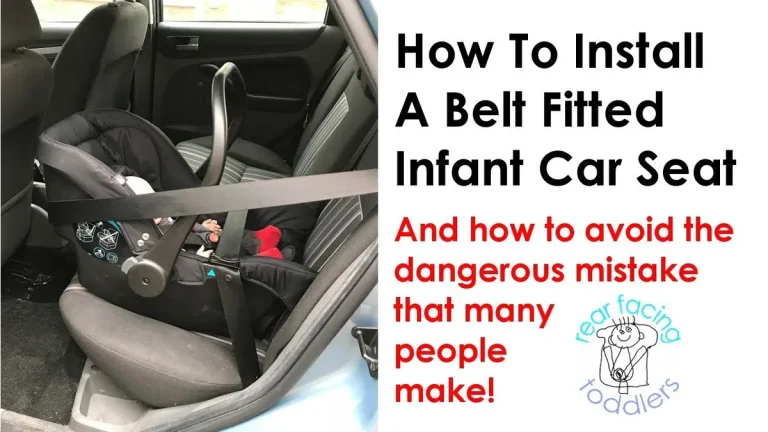
Installation checklist
- Read your car seat manual AND your vehicle manual.
- Use the LATCH system or the seat belt. Do not use both.
- The seat should not move more than one inch side to side at the belt path.
- The recline angle should be correct (look for the built-in level indicator).
- Harness straps should be at or below the baby’s shoulders (rear-facing).
- The chest clip should be at armpit level.

Image source: YouTube / Doona™, Parenting Made Simple (YouTube thumbnail (fair-use with source credit))
When to turn forward-facing
The old rule was 1 year and 20 pounds. The new rule is: keep your child rear-facing as long as possible, up to the seat’s height and weight limit. That can be age 2, 3, or even 4.
Rear-facing is five times safer in a crash. For detailed help on keeping your child calm during car trips, many parents find our practical calm-down techniques a lifesaver.
Feeding Gear: Breast, Bottle, or Both
How you feed your baby depends on your situation, but every baby needs a feeding method that works. The gear you need changes based on the choice.
Breastfeeding gear
If you plan to breastfeed (or chestfeed), here is what is truly useful:
- A comfortable nursing bra (two to three).
- Nipple cream (lanolin or hydrogel pads for soreness).
- A breast pump if you will be separated from baby. Manual pumps work for occasional use; electric double pumps are better for regular pumping.
- Milk storage bags or containers.
- Nursing pillow (helps positioning, but a regular pillow works too).
- Water bottle for you (breastfeeding makes you thirsty).
Formula feeding gear
If you use formula, you need:
- Bottles with slow-flow nipples (start with 2 to 4 ounces size).
- Formula powder or ready-to-feed liquid (ready-to-feed is more expensive but sterile; powder is fine for full-term healthy babies).
- A way to wash and sterilise. Hot soapy water and air drying is sufficient for most daily cleaning. A steam steriliser is optional but convenient.
- Bottle brush.
Combination feeding
Many families do both. That works fine. Just be aware that introducing a bottle too early (before 3 to 4 weeks in a breastfeeding-only plan) can cause nipple confusion.
Wait until breastfeeding is well established, then offer one bottle per day.
Formula preparation safety
Do not dilute formula. Do not use homemade formula. Use water that is safe for drinking.
Follow the instructions on the container: add water first, then powder. Shake or swirl, do not stir. Use the bottle within one hour of starting feeding.
Discard any leftover formula after that hour.

Image source: YouTube / Sandwell & West Birmingham NHS Trust (YouTube thumbnail (fair-use with source credit))
One more tip: you do not need a bottle warmer. To warm a bottle, place it in a bowl of warm water for a few minutes. Never microwave formula or breast milk, it creates hot spots that can burn your baby’s mouth.
We’ve covered the core pillars: safe sleep, car seats, and feeding. Next up in the full guide are diapering, clothing, gear traps, and a final checklist. You’re already ahead of most new parents just by starting with safety-first research.
Stick with this foundation, and you’ll sail through the newborn months with fewer regrets and more confidence.
Diapering and Bathing: What You Truly Need
Diapering seems simple until you realize how many times you will do it. Newborns need 10 to 12 diaper changes per day. That is roughly 300 changes in the first month alone.
So get the basics right.
Diaper options at a glance
| Type | Pros | Cons | Best For |
|---|---|---|---|
| Disposable | Convenient, absorbent, easy to travel with | More waste, ongoing cost | Most families |
| Cloth | Reusable, less landfill waste, lower long-term cost | More laundry, bigger upfront investment | Eco-conscious parents, budget savers |
| Biodegradable (plant-based) | Lower environmental impact than standard disposables | More expensive, mixed compostability | Families who want a middle ground |
You do not need a dedicated diaper pail. A standard lidded trash can works. A wet bag for cloth diapers helps contain smells.
Diaper changing supplies
- Wipes (water-based, fragrance-free to avoid irritation).
- Diaper cream with zinc oxide (prevents and treats rash).
- A changing pad (a portable one works on any flat surface).
- A few spare outfits within reach (babies love to pee mid-change).
Bathing basics
Newborns only need a bath two to three times per week. More than that dries out their skin. You need:
- A baby tub or a clean sink.
- Baby wash that is fragrance-free and dye-free.
- A soft washcloth.
- A hooded towel.
- A clean diaper and outfit ready before you start.
Water temperature matters. Per AAP guidance, aim for 100 degrees F (38 C). Test it with your elbow or a bath thermometer.
Never leave a baby alone in the bath for even a second.
Clothing and Swaddling: Less Is More
New parents routinely overbuy baby clothes. Here is the reality: your baby will outgrow newborn size in two to four weeks. Some babies skip it entirely.
Buy conservatively.
What to actually buy for the first three months
- 4 to 6 footed sleepers (zip-up ones are easier than snaps).
- 3 to 5 short-sleeve or long-sleeve onesies (depending on climate).
- 2 to 3 swaddles or sleep sacks.
- 2 pairs of socks or booties (babies rarely keep them on).
- 1 hat (for hospital and outdoor use).
- 1 warm layer (fleece bunting or sweater) if you live in a cold climate.
Swaddling guidelines
Swaddling helps newborns sleep longer by preventing the startle reflex. But swaddling must stop once the baby can roll over, usually around two months. Otherwise the baby can roll onto their stomach while wrapped and not be able to roll back.
Your options for swaddling:
- Muslin blankets: Traditional, breathable, but require practice to fold tightly.
- Velcro swaddles: Easy, secure, hard for baby to escape.
- Zipper swaddles (pods): Fastest option, good for squirmy babies.
- Sleep sacks with arm holes: No swaddle wrap but still provides warmth.
A safe swaddle keeps the baby’s hips loose (legs should be able to bend up and out) but the arms snug at the chest. Do not overdress a swaddled baby. A swaddle plus a onesie is usually enough for room temperature.
If the baby’s neck feels sweaty, remove a layer.
The Gear Trap: Strollers, Carriers, and Monitors
This is where parents spend the most money and often regret it. Let us break down what you actually need versus what sounds useful on a store shelf.
Strollers
You have three realistic paths:
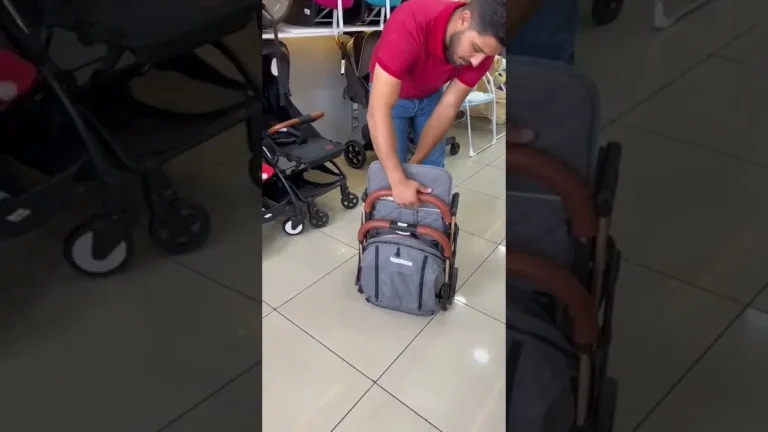
- Travel system: An infant car seat clicks into a stroller frame. Works great for the first year if you drive often. Best for everyday errands and doctor visits.
- Full-size stroller with bassinet: Good for neighborhood walks, naps outdoors, and smoother rides. The bassinet attachment lies flat for newborns.
- Light umbrella stroller: Only suitable for babies who can sit up unassisted, around 6 months. Keep this as a backup, not your primary.
If you live in a city apartment or take public transit, go light. If you walk daily on uneven sidewalks, go for bigger wheels and suspension.
Baby carriers and wraps
A carrier lets you go hands-free, which helps with bonding and daily tasks. The three main types:
- Structured carrier: Has buckles, padded straps, and a seat. Quick to put on. Brands like Ergobaby and BabyBjörn are common. Best for parents who want speed and support.
- Soft wrap: A long piece of fabric you tie around yourself. More learning curve, more custom fit. Great for newborns and small babies.
- Ring sling: A cloth with two rings. Fast once you learn the technique. Good for quick ups and downs.
Our research across parent forums shows that most families who buy a carrier use it heavily in months 1 through 6, then less often as the baby gets heavier.
Baby monitors
You need something that lets you hear your baby. That is the baseline.
- Audio-only monitor: Cheapest option, no distractions. Works fine for most homes.
- Video monitor: Lets you see the baby without walking in. Helpful if you are a worrier or your nursery is far from your room.
- Movement sensor monitor: Adds a pad under the mattress that detects motion. These are not medical devices and can give false alarms. Most pediatricians recommend against them.
Skip the Wi-Fi monitors unless you want to watch from your phone while at work. The extra security risk of a networked camera is not worth it for most families.
Nursery Setup: The Bare Minimum
You do not need a Pinterest-worthy nursery. You need a safe, functional space for sleep and diaper changes. Here is the minimum viable nursery.
Sleep zone
- Crib or bassinet (CPSC certified, no drop-sides).
- Firm mattress that fits with no gaps.
- Two to three fitted sheets.
- Room darkening curtains (not essential but helpful for naps).
- White noise machine (optional but can help baby sleep longer).
Changing zone
- Flat surface at a comfortable height. A dresser with a changing pad on top works perfectly.
- Diaper supplies stored within arm’s reach.
- A laundry hamper nearby.
Feeding zone
- A comfortable chair for nursing or bottle feeding.
- A small side table for your water, phone, and burp cloth.
- Good lighting that you can dim.
What to skip in the nursery
- Bumper pads (suffocation risk).
- Crib mobiles (once baby can push up on hands, around 3 months, they become a strangulation risk).
- Crib tents or canopy covers (no safety data supports them).
- Changing table (a dresser with a pad does the same job).
- Glider or rocking chair (any comfortable chair works; you do not need the expensive one).
Mistakes Even Smart Parents Make
Even well-researched parents get tripped up. Here are the most common errors our editorial analysis of safety reports and parent feedback identified.
Mistake 1: Installing the car seat too loosely
This is the number one car seat error. If the seat moves more than one inch at the belt path, it is too loose. Put your weight into it when tightening.
Use the lock offs if your seat has them.
Mistake 2: Adding extra bedding for comfort
Pillows, quilts, and plush toys make a crib look cozy. They also increase suffocation risk. The only thing in the crib should be your baby and a fitted sheet.
Mistake 3: Overheating the baby
Parents often overdress newborns. A good rule: dress your baby in one more layer than you are wearing comfortably. Check the back of the neck for temperature, not hands or feet.
Sweaty neck means too many layers.
Mistake 4: Diluting formula
Some parents try to stretch formula by adding extra water. This is dangerous. It can cause hyponatremia (low sodium levels) in babies.
Always follow the manufacturer’s scoop-to-water ratio exactly.
Mistake 5: Not prepping the diaper area properly
Diaper rash happens when moisture sits on skin too long. Blot the skin dry before applying cream. Let the area air out for a minute if possible.
This simple step prevents most rashes.
Mistake 6: Buying too many clothes in newborn size
Many babies outgrow newborn size before they even wear everything. Stick to three to five sleepers and onesies in newborn size. Buy 0-3 month size for the bulk of the wardrobe.
Mistake 7: Keeping the nursery too quiet
You do not need total silence for naps. Babies sleep through household noise if they are used to it. A white noise machine can help, but normal daytime sounds like the vacuum or conversation are fine.
If you are caring for a circumcised newborn, you might find our step-by-step healing guide useful during those first days at home.
When to Seek Help: Red Flags and Expert Resources
Most newborn care is straightforward. But some situations need a professional. Trust your gut.
If something feels wrong, call your pediatrician.
Call immediately if your baby has a fever over 100.4 F (rectal), is not feeding, has fewer than four wet diapers in 24 hours, or shows signs of dehydration. Also call for unusual lethargy, difficulty breathing, or a persistent cry.
For car seat help, find a certified Child Passenger Safety Technician near you. NHTSA offers a free locator. For breastfeeding support, La Leche League has local leaders and a 24/7 helpline.
Your hospital’s postpartum unit can also connect you with specialists.
Your Verified Must-Have Checklist
Here is the final list. Print it, save it, ignore everything else.
| Category | Items You Actually Need |
|---|---|
| Sleep | Crib or bassinet, firm mattress, 2 fitted sheets, sleep sacks |
| Car Travel | Rear-facing car seat (infant or convertible) |
| Feeding | Bottles (4 small), slow-flow nipples, breast pump (if nursing), formula (if using), nursing pillow (optional) |
| Diapering | 36-48 newborn diapers, 1 pack wipes, zinc oxide cream, changing pad |
| Clothing | 5 footed sleepers, 5 onesies, 2 swaddles, 1 hat, 3 pairs socks |
| Bathing | Baby tub, baby wash, washcloths, hooded towel, bath thermometer |
| Health | Rectal thermometer, nail clippers, bulb syringe, infant acetaminophen (ask pediatrician) |
| Comfort | Baby carrier (wrap or structured), stroller, white noise machine (optional) |
Frequently Asked Questions
How many diapers do I need for the first month?
Plan for 250 to 300 newborn diapers. That is roughly 8 to 10 per day. Buy one big box and keep the receipt.
Many stores let you exchange unopened boxes for the next size.
Do I really need a baby monitor?
Yes, for peace of mind. An audio-only monitor under $30 works fine. Video monitors are helpful if your nursery is far from your room or you are an anxious sleeper.
When should I buy baby gear?
Start by the third trimester. Car seat and sleep space need to be ready before the baby arrives. Everything else can wait until week 36 or later.
Do not open everything until you need it in case you want to return it.
Can I use hand-me-down car seats?
Only if they are less than six years old, have never been in a crash, have not been recalled, and have all original parts and labels. Otherwise, buy new. Car seat safety degrades with time and unknown history.
Should I get a bassinet or go straight to a crib?
Get a bassinet for your bedroom for the first 3 to 4 months. The AAP recommends room sharing (not bed sharing) for at least six months. A bassinet makes night feedings easier.
After the baby outgrows it, move to a crib in the same room or the nursery.
How much should I budget for baby essentials?
A safe minimalist setup costs $400 to $600 for new gear. That covers a car seat ($150 to $300), a basic crib or bassinet ($100 to $200), a pack of diapers, a few sleepers, and feeding supplies. The real cost is ongoing diapers and formula, not the initial gear.