Tutorial: How to Get Baby to Like Car Seat
If you've ever wrestled your baby into a car seat while they're arching their back and screaming, you already know the struggle. Learning how to get baby to like car seat rides isn't about forced smiles or driving around the block until they give up. It's about setup, timing, and trust.
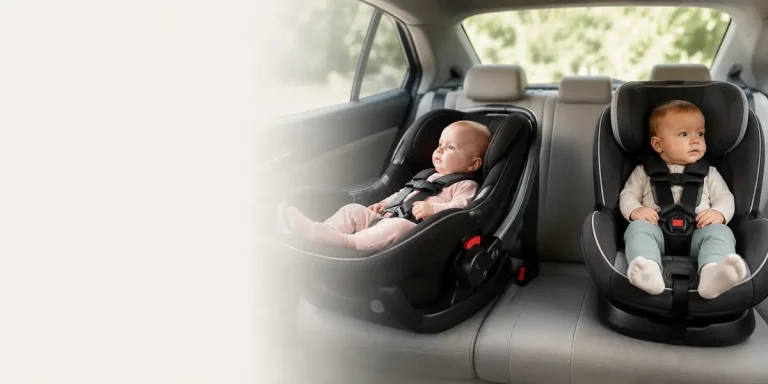
Here's a grounding fact: most child safety experts, including the American Academy of Pediatrics, recommend keeping babies rear-facing for as long as their car seat's weight and height limits allow, which often means past age 2. That's a long stretch of car rides with a captive audience who may not love the experience. The good news is there's a proven order of operations that makes rides calmer and safer.
Let's walk through it step by step, starting with the mindset that changes everything.
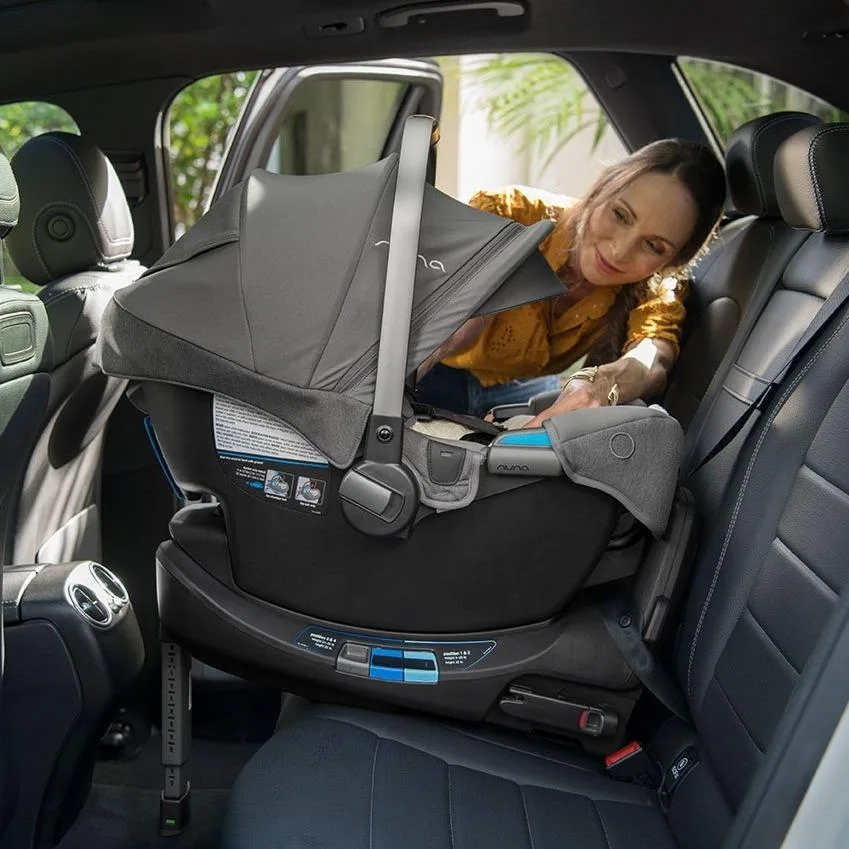
Image source: Bing (Web (fair-use with source credit))
Quick Answer
Crying in the car seat is usually a reaction to discomfort, boredom, or motion, not true hatred of the seat. Start by checking the recline angle, harness fit, and clothing layers. Then practice short, positive rides close to home.
Always prioritize safety over entertainment.
Why This Is About Safety, Not Just Stopping the Crying
When your baby screams in the car, every instinct says "make it stop." But here's the thing: the car seat is a safety device first and a comfort zone second. Loosening the harness to calm them down, adding bulky padding, or buying unapproved toys that attach to the seat can turn a routine ride into a serious hazard.
Aggregate reviews from child passenger safety technicians (CPSTs) repeatedly point to the same pattern. The most common root causes of car seat meltdowns are an incorrect recline angle, a harness that's too tight or too loose, and excessive layers of clothing creating pressure against the chest clip. None of those are crying-inducing problems we fix by giving the baby a tablet.
They're problems we fix by checking the equipment.
The National Highway Traffic Safety Administration (NHTSA) publishes clear guidance on harness fit and installation, and they're firm about it: a snug harness is non-negotiable, right down to the federal safety standards that every seat sold in the U.S. must meet. If we're honest, the goal isn't a baby who giggles through every commute. The goal is a baby who rides safely without making the driver unsafe.
A calm baby is nice. A safe baby is mandatory.
So before we talk about fun road trip games or white noise playlists, let's make sure the basics aren't working against you.
The Honest Truth About Babies and Car Seats
Babies are not weird for disliking car seats. Most of them start out that way. And the reasons are pretty straightforward.
Rear-facing seats force babies into a semi-reclined position with their legs bent and their head at an angle that doesn't match anything else in their daily life. They can't see the driver well. They can't move freely.
And in the early months, the constant motion of the car can trigger a subtle startle response or a wave of nausea. Interestingly, the American Academy of Pediatrics notes that motion sickness in young children often appears first during car rides, and it's frequently mistaken for "just being fussy." If your baby vomits or gets dizzy in the car, that's a distinct issue worth addressing separately. We've covered the common reasons babies fight car rides in more depth, but the short version is this: discomfort, not defiance, is almost always the root cause.
Another blind spot is temperature. Rear-facing seats face the sun directly if your car has no window shade. A seat that's been baking in the sun can feel like a heating pad.
A baby who's too warm will scream. And a baby who's too cold because the harness straps are pinching against winter clothes will also scream. We'll get into layers in a moment, but remember this: babies have very few ways to tell us they're uncomfortable.
Crying is their only tool.
This is also why the "just let them cry it out in the car" advice is so misleading. Sometimes a baby will settle after two minutes of crying. That's normal.
But if your baby cries every single ride from the moment you approach the car, that's not a phase. That's a signal. And the signal is usually "something here feels wrong to my body."
Before You Try Anything: Check the Seat Setup
Before we get to any behavioral tricks, let's examine the actual seat. Most car seat refusal issues improve dramatically when the seat is installed correctly and the baby fits properly. Here's what to check.
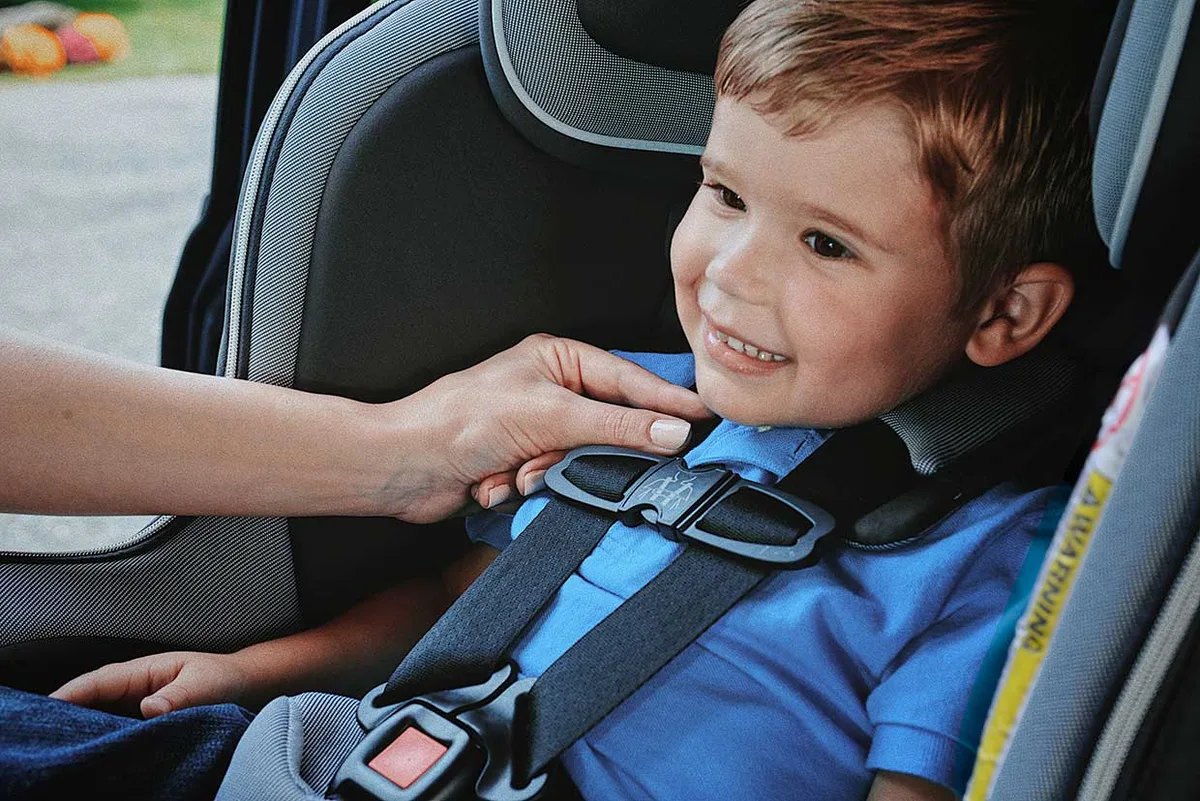
Image source: Bing (Web (fair-use with source credit))
Recline Angle and Newborn Insert
For infants who can't sit up independently, the car seat base should sit at a recline angle between 30 and 45 degrees from vertical. If the seat is too upright, the baby's head flops forward, which can restrict their airway and make them miserable. If it's too reclined, they'll feel like they're sliding, and the harness straps will dig into their thighs.
Manufacturer specifications always tell you the correct recline angle for your model. Many seats have an built-in level line or a bubble indicator on the base. Check it every single installation, and again if you move the seat between cars.
Harness Fit and the Pinch Test
The harness straps should lie flat, with no twists, and sit at or just below your baby's shoulders for rear-facing use. The chest clip goes at armpit level, smack in the middle of the chest. And the strap itself should be snug enough that you can't pinch any slack at the collarbone.
Not squeeze. Not tilt. Just pinch.
Here's a quick test:
- Buckle your baby in.
- Tighten the harness until it feels comfortably firm.
- Try to pinch the strap vertically at the shoulder.
- If you can pinch any webbing, it's too loose.
That pinch test is the same one used by CPSTs during installation checks. It's not about being draconian. It's about what keeps a baby from sliding under the harness during a crash.
Puffy Coats and Clothing Layers
This is the big one. A thick winter coat or fleece puffer creates a deceptive gap between the harness and your baby's chest. In a collision, that fluffy layer compresses instantly, leaving the harness loose enough for your baby to slide forward.
The rule from every major safety organization is simple: nothing puffy under the harness. Dress your baby in a thin fleece onesie or just a regular long-sleeve shirt, then add a blanket over the harness if the car is cold.
If you're heading into winter travel and want a full breakdown of what's safe to wear, we've put together a practical guide on safe car seat winter wear. It's one of those details that feels small until it saves a life.
Quick Checklist Before Every Ride
Once the seat is properly set up, the daily ritual matters almost as much. Here's a simple, repeatable checklist that prevents most predictable meltdowns before they start.
| Check | Why It Matters |
|---|---|
| Diaper changed and belly recently fed | Hunger and wet diapers are the top two crying triggers in the car |
| Bulky coat removed | Prevents harness slack and dangerous compression in a crash |
| Harness snug and flat | Keeps the baby stable and prevents slide-down |
| Chest clip at armpit level | Positions the harness correctly across the strongest part of the chest |
| Sun shade / window shade up | Blocks heat glare and visual overstimulation |
| Calm music or white noise queued | Provides predictable sound masking instead of silence or loud radio |
This checklist isn't meant to be obsessive. It's meant to be automatic. A baby who's fed, dry, and comfortable before the engine starts is a baby who's already fifty percent less likely to fight the seat.
And if your baby is prone to motion sickness, this is the moment to address it. The combination of empty stomach, rear-facing view, and subtle car movement is a perfect storm for nausea. Some families find that cracker snacks before the drive help.
Others use a low-intensity white noise track to distract the inner ear. Just remember: if vomiting is a regular recurring issue, you're not dealing with a car seat rebellion, you're dealing with a physical response. The sooner you treat it that way, the fewer miserable drives you'll have to power through.
The Gradual Approach: Helping Your Baby Build a Positive Association
Now for the part that actually changes behavior over time: gradual exposure. This is the same principle used for dogs scared of vacuums and adults scared of flying. It works because it never floods the system beyond what the baby can tolerate.
Start in the House, Not the Car
Yes, really. Put the car seat on the living room floor. Let your baby sit in it while you read a story or play with a favorite toy.
For the first few days, the seat is just another piece of furniture. Then move it to the car while the engine is off. Let them explore it in place.
Sit in the back seat next to them. Buckle them in briefly, unbuckle, repeat.
This is what child behavior specialists call desensitization. You're teaching the nervous system that the car seat is not a scary trap.
Practice Rides That End Before the Tears
Once your baby tolerates being buckled in place, try a two-minute drive around the block. Not to the store. Not everywhere.
Just down the street and back home. The ride should end while your baby is still content. If they start crying mid-loop, next time make the loop shorter.
The golden rule here is: end on a good note. Every ride that ends without a meltdown builds a new association. Every ride that ends in exhausted sobbing reinforces the thing you're trying to undo.
In-Car Soothing: Sound, Sight, and Temperature
During these practice drives, control the environment. Use a quiet, repeatable audio cue like a lullaby or white noise. Crack the window two inches for fresh air.
And put a sunshade on the side window where your baby is looking. A baby who's staring at bright moving trees at high speed can be visually overwhelmed. A shade cuts the chaos down to something manageable.
If your baby still fusses, don't immediately yank them out. Wait ten seconds. Babies often cycle through short bursts of protest and settle if the environment doesn't change.
If the crying accelerates past a determined whimper, pull over and comfort them, then finish the ride. That doesn't reward bad behavior. It teaches them you're still there.
Build Up to Real Trips Gradually
Over about two weeks, extend the drives by a few minutes at a time. Start with one loop around the block. Then add a quick errand that's actually quick.
Then a normal drive to the grocery store. By the time you need a longer commute, your baby has already built a library of memories where the car seat was associated with a calm, predictable experience.
For families planning something bigger, we've also covered what makes a car seat work well for long distance driving if you're evaluating seats side by side. The gradual approach, though, is about the seat you already have. It's free, it's evidence-based, and it works with almost every baby under twelve months.
The ones who truly don't respond? They usually have an underlying physical or sensory issue, and that's exactly who you'd want a pediatrician or a CPST to see. We'll get to that in a bit.
Layering in Daily Life: Short Trips to Long Drives
Once the practice loops feel easy, start layering real trips on top. Keep the same routine: snack, diaper, shade, calm music. For short errands under ten minutes, that's usually enough.
For longer drives, plan a pit stop every hour and a half. A baby who gets a two-minute break to stretch and eat will handle the second hour far better than one who's trapped.
If your baby tends to get queasy, keep the car cool, crack a window, and time the drive around a nap. Motion sickness is a physical response, and we've covered why babies get car sick in more detail. Short trips build tolerance.
Long trips need strategy. You can have both without turning the car seat into a battle.
What to Do at the Moment of a Car Seat Meltdown
First, if you're driving and the crying gets intense, focus on the road. Pull over when it's safe, not while weaving through traffic. Once you're stopped, work through this order: check for a pinched finger or strap, offer a pacifier or a teether, adjust the sunshade, and try a calm voice.
If they still scream, take a two-minute break outside the car. Walk them around, calm them down, then buckle them back in. Do this a few times, and they'll learn the routine doesn't change.
The car seat is not a negotiation. But you're also not the enemy.
Common Mistakes That Keep Making It Worse
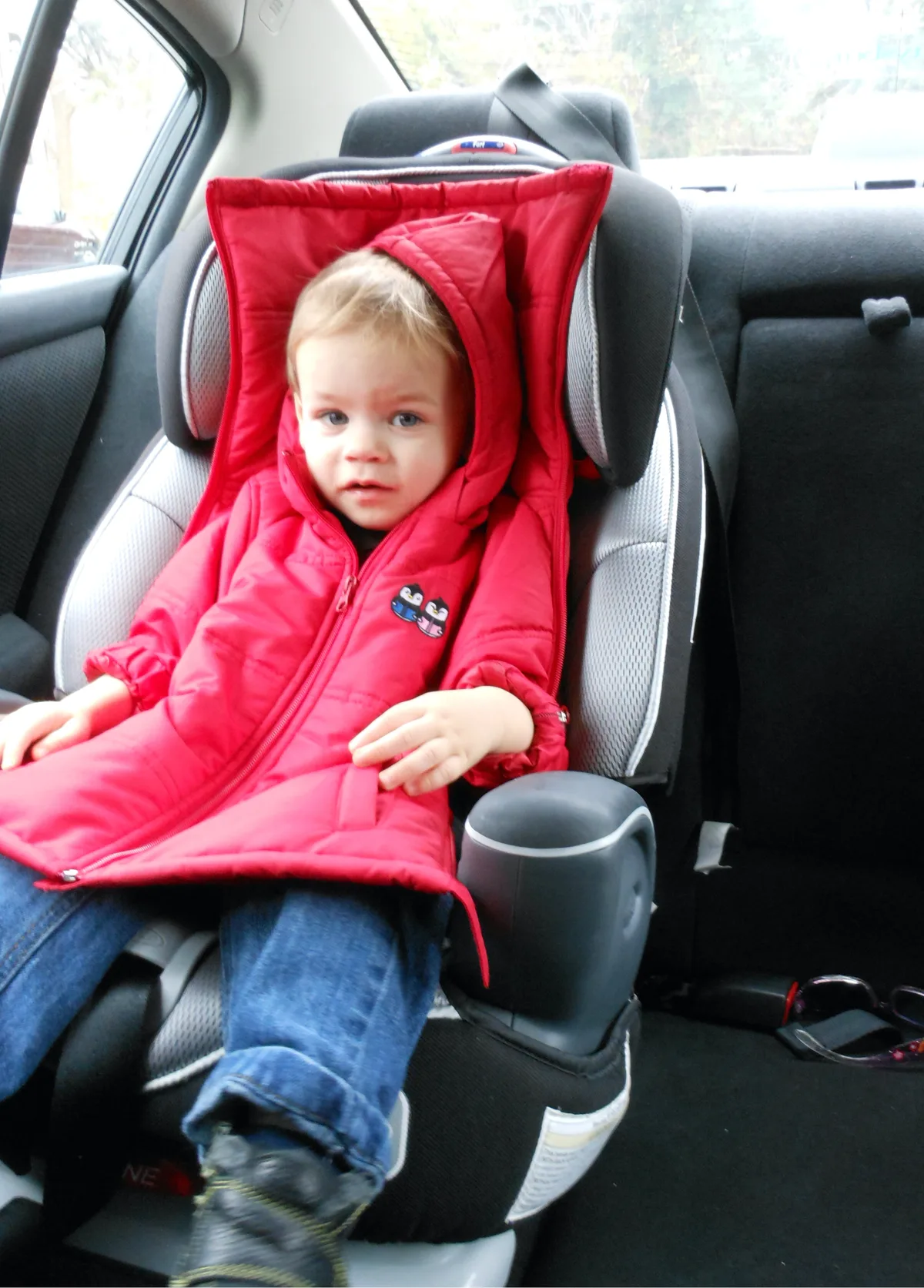
Image source: Bing (Web (fair-use with source credit))
The biggest mistake is buckling a baby in a puffy coat. The coat compresses in a crash, leaving the harness loose. Use thin layers and a blanket over the harness instead.
Another common error is using aftermarket accessories: head pillows, strap covers, toys hanging off the handle. If the seat manufacturer didn't design it and crash-test it, it doesn't belong in the seat. Also, don't turn a baby forward-facing just because they look uncomfortable.
The American Academy of Pediatrics recommends rear-facing for as long as possible, and we've detailed when facing forward is actually allowed. It's later than you think.
Real Scenarios: Newborn, Fussy Infant, and Toddler
For a newborn under three months, check the recline angle and newborn insert first. That insert isn't just padding; it positions the baby's head to keep the airway open. If the seat is too upright, your baby will cry because they're literally fighting gravity.
For a fussy infant who can sit up but still screams, the problem is usually boredom or heat. Add a sunshade, point a toy at the side window, and keep the car cool.
For a toddler, the battle is about control. They arch their back and refuse to sit. In that case, stay calm, give a choice where you can ("Car seat first, then the song.
Do you want the duck song or the train song?"), and don't hurry the buckle. A steady, predictable routine beats a desperate speedrun every time.
Safety Rules That Override Everything
Three rules matter more than comfort. First, rear-facing until your seat's weight and height limits are maxed out, not just until age two. Second, no puffy layers under the harness, ever.
Third, no aftermarket add-ons that didn't come with the seat.
Installation checks matter too. Have a certified child passenger safety technician inspect the seat if you have any doubt. The rules are clear, but they're also the difference between a scary ride and a safe one.
When in doubt, check the manual. And then check it again.
When to See a Professional: CPST and Pediatrician
If your baby has been fighting the car seat for two straight weeks despite everything we've covered, stop guessing. A certified child passenger safety technician can re-check your installation, harness height, and recline angle. These checks often catch something the manual didn't emphasize enough.
A pediatrician is the right call when the crying feels physical. Think ear infections, reflux, or motion sensitivity. If your baby vomits regularly on short rides, don't just manage the mess.
Ask the doctor directly whether it's motion sickness or something deeper.
Sensory red flags matter too. Some babies genuinely struggle with the harness pressure, the rocking motion, or the noise of the road. That's not a discipline problem.
A pediatric team can guide you toward strategies that actually fit your baby's nervous system. If they recommend a referral, take it seriously.
The Bottom Line: What Actually Works Over Time
There is no single trick that makes every baby love the car seat overnight. But the research and real-world experience point to the same pattern every time.
Start with the seat itself. Correct installation, proper recline, snug harness, and thin clothing solve most of the crying before it starts. Then layer in the routine: feed, diaper, shade, calm sound, and practice rides that end before the tears.
Consistency matters more than any single technique.
Babies learn through repetition and trust. Short positive rides build a new story about the car seat, one where the seat means forward movement, fresh air, and back home safely. Safety rules stay non-negotiable, and that's exactly how it should be.
Keep the routine, stay patient, and ask for help when you need it.
The drives will get easier. You'll get your hands back on the wheel. And your baby will learn that the car seat isn't a trap.
It's just the place where the adventure begins.