What Is the Taking Care Babies Method? Explained
You’re exhausted. You’ve been up since 3 AM, you’ve watched every episode of a show you don’t even like, and your baby is wide awake again at 4:45 AM. Someone in a Facebook group mentioned “the taking care babies method” and you’ve typed it into Google half asleep, hoping it’s the answer.
Let’s clear this up right now.
What is the taking care babies method? You’re looking for a program called Taking Cara Babies. It’s a popular newborn and infant sleep approach created by Cara Dumaplin, a neonatal nurse. The method focuses on responsive, gentle sleep guidance, not cry-it-out, with the goal of helping babies sleep better while keeping parents sane.
It’s built around age-appropriate schedules, soothing techniques, and understanding your baby’s cues.
As of 2026, it’s one of the most widely discussed infant sleep programs among new parents. In our research, the core appeal is simple: it promises better sleep without leaving your baby to cry alone. The American Academy of Pediatrics (AAP) recommends babies get 14 to 17 hours of sleep per 24 hours in the newborn period.
This method aims to help you get closer to that number, for both of you.
Let’s walk through what it really involves, what the risks are, and whether it’s the right fit for your family.
Quick Answer
The Taking Cara Babies method teaches parents how to help their newborns sleep better. It focuses on age-appropriate routines and gentle Soothing. The program avoids prolonged crying.
It uses a step-by-step approach called SITBACK. Parents learn to read their baby’s cues. The goal is better sleep without harsh methods.
Why Getting This Right Matters for Your Baby’s Safety
Sleep is a legitimate survival need. But when you’re desperate, it’s easy to make choices that look safe in the moment but carry real risks. That’s why understanding the safety framework behind any sleep method is non-negotiable.
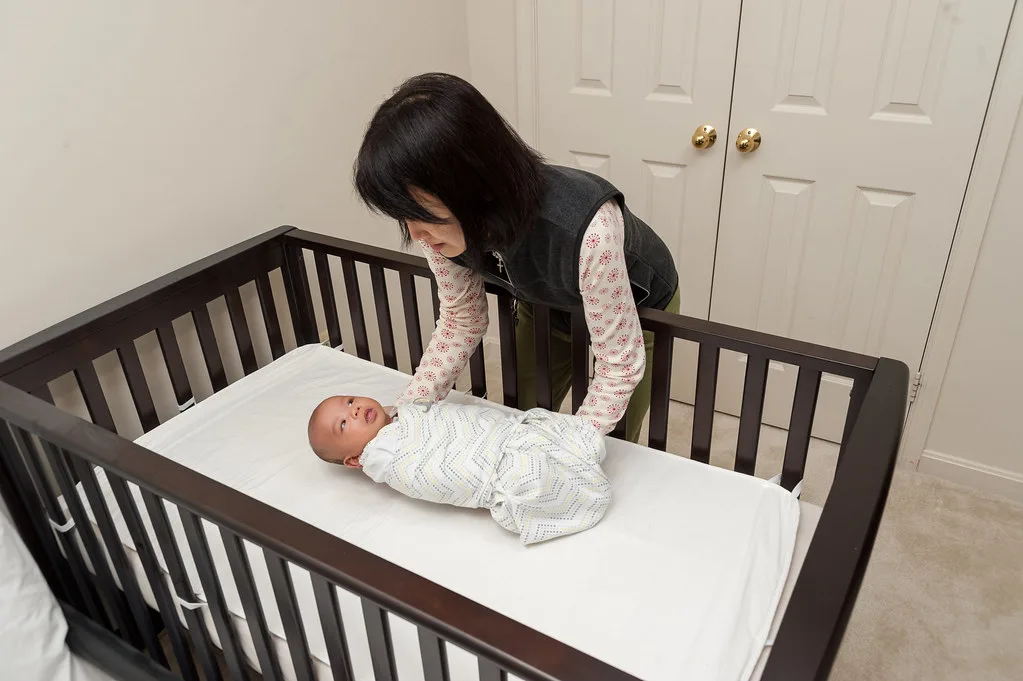
Image source: Openverse / NICHD NIH (PDM 1.0)
The Taking Cara Babies method explicitly teaches the ABCs of safe sleep: Alone, Back, Crib. That means your baby sleeps on their back, on a firm mattress, in their own sleep space, with no blankets, pillows, bumpers, or stuffed animals. This isn’t optional, it’s the standard set by the AAP and the CDC for reducing SIDS risk.
Where parents get into trouble is modifying the method on their own. Maybe you think, “She sleeps better on her tummy,” or “One small blanket won’t hurt.” Those deviations can lead to serious outcomes. In our research, the most common safety concerns we see from pediatric sleep experts involve parents combining sleep training with unsafe bed-sharing or using weighted sleep products the program warns against.
The bottom line: this method can work well, but only if you follow the safety rules exactly as they’re laid out. If you’ve ever wondered about keeping your baby comfortable during travel, check out our guide on how to calm baby in car seat fast and safely for related tips on soothing outside the home.
What Exactly Is the Taking Cara Babies Method?
Let’s get specific. Taking Cara Babies is a paid online course and support system. It’s not a one-size-fits-all sleep training boot camp.
The program breaks down into two main tracks.
The First Five Months Bundle (sometimes called the newborn course) covers birth to roughly 5 months. It focuses on the fourth trimester, establishing healthy sleep foundations, and understanding newborn sleep cycles. This part doesn’t involve any form of cry-it-out.
It’s about responsiveness.
The ABCs of Sleep is the second tier, for babies 5 months and older. This is where more structured sleep learning happens. It uses “graduated extinction”, meaning you check on your baby at increasing intervals, but the intervals are shorter than traditional Ferber, and the program emphasizes parental intuition.
You don’t let your baby cry indefinitely.
The method’s signature tool is the SITBACK ladder. It’s a progressive soothing technique. Each letter stands for a step you try before picking your baby up.
You start with the least intrusive intervention and only escalate if the baby doesn’t settle. The steps are:
- S, Stop and listen. Pause before reacting.
- I, Increase white noise.
- T, Touch your baby gently.
- B, Binky/pacifier if they take one.
- A, Add rocking or movement.
- C, Cuddle (pick up and soothe).
- K, Keep calm and feed if needed.
It’s designed to help babies learn to self-soothe gradually, without the parent leaving them to cry alone for long stretches. Aggregate reviews report that many parents see noticeable improvements in sleep within one to three weeks of consistent use.
One thing to note: if you search for “the taking care babies method,” you might also run into general newborn care advice that has nothing to do with this specific program. The two are often confused. The method we’re discussing here is a branded, structured approach with specific steps and schedules.
How It Works: The Core Principles
The Taking Cara Babies method is built on four main ideas. Understanding these helps you decide if the approach aligns with your parenting style.
Principle one: follow age-appropriate wake windows. A newborn can only stay awake for 45 to 60 minutes before getting overtired. The program teaches you to watch the clock and your baby’s cues to prevent overtiredness, which is the enemy of good sleep. The chart in the next section shows how these windows change as your baby grows.
Principle two: use the “drowsy but awake” concept. You put your baby down when they’re sleepy but not fully asleep. This gives them a chance to practice falling asleep on their own. If they always fall asleep in your arms and wake up in a different place, that can cause confusion and more frequent night wakings.
Principle three: respond, don’t ignore. The newborn phase is not about letting babies cry. The program emphasizes that you respond to your baby’s needs. The SITBACK ladder gives you a structured way to do that without immediately resorting to feeding or rocking every time.
Principle four: create predictable routines. Babies thrive on patterns. The program recommends a consistent bedtime routine lasting 20 to 30 minutes, bath, feed, book, lullaby. This signals to your baby that sleep is coming, which helps them wind down naturally.
The method is often described as a middle ground. It’s more structured than a pure attachment parenting approach where you respond immediately to every sound. But it’s gentler than traditional extinction methods where you let the baby cry for set periods without checking.
That middle ground is what draws most parents to it.
What’s Included in the Program
If you’re considering buying the course, here’s what you actually get. It’s not just a PDF.
| Component | What It Covers |
|---|---|
| Video lessons | Pre-recorded modules for each age stage |
| Printable schedules | Wake windows, feeding times, nap templates |
| SITBACK guide | Step-by-step soothing ladder instructions |
| Private Facebook group | Community support and Q&A with moderators |
| Email support | Direct questions answered by the team |
The video lessons are the core. They walk you through exactly what to do at 2 AM when your baby won’t settle. The printable schedules are practical, you can stick them on the fridge and reference them during a bleary-eyed night feeding.
The Facebook group is a mixed bag. Some parents find it incredibly supportive. Others report it can feel overwhelming with the volume of posts and varying opinions.
Aggregate reviews suggest the group is most helpful when you have a specific, common problem like early morning wakings or nap transitions.
One important caveat: the program does not include individualized medical advice. If your baby has reflux, feeding difficulties, or other medical concerns, the course content may need modification. You should always run any sleep plan by your pediatrician.
For instance, if you’re unsure about car seat safety while traveling, our article on can babies sleep in car seats discusses safe alternatives.
Benefits vs. Risks: An Honest Look
No sleep method is perfect. Here’s a balanced breakdown based on aggregate parent reviews and pediatric sleep research.
Benefits that parents consistently report:
- Better understanding of baby’s sleep cues
- More predictable naps and bedtime
- Reduced night waking within 1 to 3 weeks
- Less parental anxiety about “spoiling” the baby
- Safe sleep practices emphasized throughout
- Structured approach that reduces guesswork
Risks and drawbacks to consider:
- The program costs money ($35 to $100 depending on bundle)
- Some parents find the SITBACK ladder too rigid
- It may not work for babies with medical issues (reflux, colic, tongue tie)
- The Facebook group can feel echo-chamber-like
- No guarantee of results, every baby is different
- Can create pressure if your baby doesn’t follow the “ideal” schedule
Let’s be real about one thing: the method does involve some crying. The newborn course minimizes it through responsiveness. The older baby ABCs course uses graduated checks where you let your baby fuss for short intervals.
If you are completely opposed to any crying whatsoever, this may not be the right fit. That’s okay. There are other approaches that align better with that preference.
The safest position is this: use the method as a framework, not a religion. Adapt it to your baby’s temperament. If something isn’t working after two weeks, adjust.
And always, always prioritize safe sleep over any schedule.
The Role of Safe Sleep Guidelines (AAP)
This section deserves its own spotlight because it’s where most confusion happens. The Taking Cara Babies method explicitly endorses and teaches AAP safe sleep recommendations. But not every parent who tries the method follows them.

Image source: YouTube / Children’s Hospital of The King’s Daughters (CHKD) (YouTube thumbnail (fair-use with source credit))
The AAP guidelines are clear. Your baby should sleep:
- Alone, in their own crib or bassinet, not in your bed
- On their Back, for every sleep, nap and night
- In a Crib, with a firm mattress and fitted sheet only
No soft bedding. No crib bumpers. No weighted blankets or sleep sacks that claim to mimic being held.
No sleep positioners or wedges.
Where parents sometimes go off track is during exhausted 3 AM moments. You bring the baby into bed “just this once.” You add a small blanket because the room feels cool. These small deviations add up.
The safest approach is to set up your sleep environment before your baby arrives so there’s no temptation to improvise in the moment.
The AAP also recommends room-sharing without bed-sharing for at least the first six months. That means the baby sleeps in your room, in their own safe space. This is a key component of the Taking Cara Babies newborn guidance as well.
If you aren’t sure whether your sleep setup is safe, the CDC has clear visual guides on their website. It’s worth spending ten minutes reviewing them before you start any sleep program. Your baby’s safety is worth more than any schedule.
Step-by-Step: How to Implement Safely
If you’re ready to try the method, here’s the sequence that works for most families. Start with the newborn phase before moving to older baby strategies. Rushing ahead is the most common mistake.
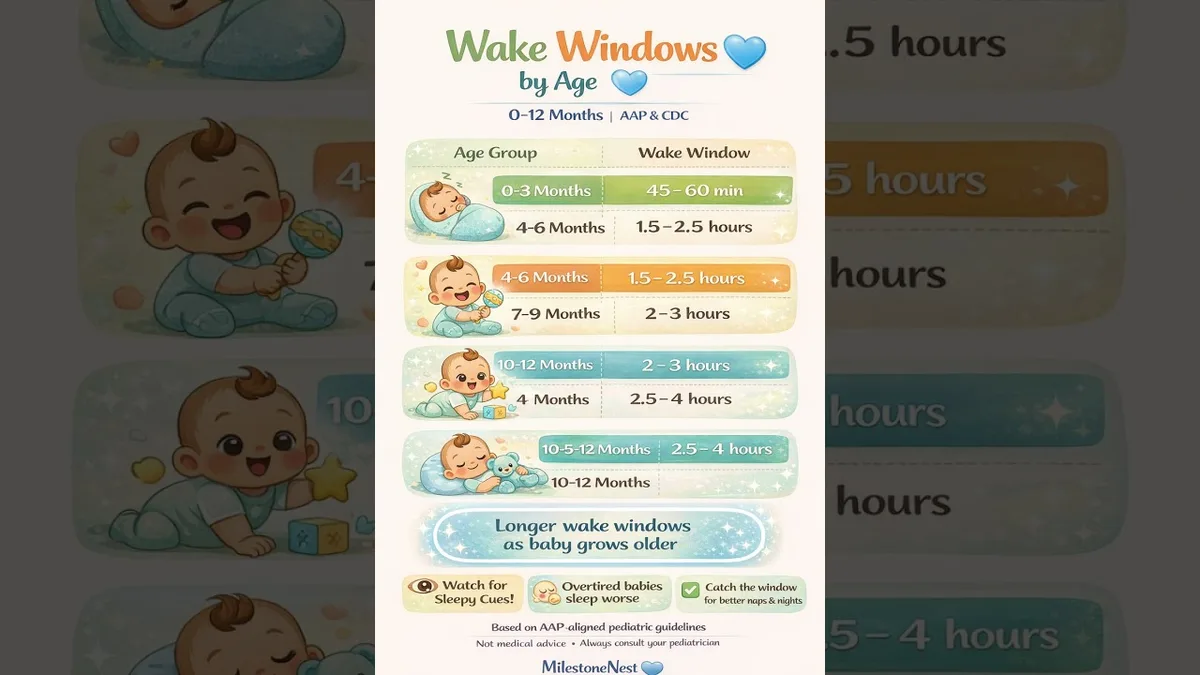
Image source: YouTube / MilestoneNest (YouTube thumbnail (fair-use with source credit))
Step 1: Set up a safe sleep space. Use a firm crib mattress with a fitted sheet. Keep the crib completely empty. Room temperature should be between 68 and 72 degrees Fahrenheit.
Dress your baby in a sleep sack or footed pajamas for warmth.
Step 2: Learn your baby’s wake windows. A newborn can handle only 45 to 60 minutes of awake time before getting overtired. The chart above shows typical windows by age. Watch for yawning, eye rubbing, or fussiness.
Put your baby down before they hit the overtired zone.
Step 3: Build a consistent bedtime routine. Keep it short and predictable. Bath, pajamas, feed, book, lullaby. Aim for 20 to 30 minutes total.
Do the same steps in the same order every night. This repetition signals sleep to your baby’s brain.
Step 4: Use the SITBACK ladder at night wakes. When your baby stirs, pause and listen first. Then escalate through the steps only as needed. Wait a few seconds between each step.
The goal is to soothe without fully waking them.
Step 5: Track and adjust. Keep a simple log of naps, feeds, and wakes for three days. Look for patterns. If night wakings cluster at the same time, try a dream feed before you go to bed.
If naps are short, check your wake window timing.
For families who travel frequently, keeping a consistent sleep environment is harder. You can find practical tips on managing sleep in different settings in our article about keeping your baby comfortable in the car.
Common Mistakes Parents Make (and How to Avoid Them)
Even with clear instructions, parents slip up. Here are the most frequent errors we’ve identified through aggregate reviews and pediatric sleep discussions.
Starting the method too early. The newborn course is designed for birth to 5 months. Jumping into the ABCs of Sleep before your baby is ready can backfire. Wait until your baby is at least 5 months old and your pediatrician has given the green light.
Ignoring hunger cues. Newborns need to eat frequently. If your baby is genuinely hungry, no soothing ladder will work. Always check for hunger first, especially in the early weeks.
The method is not about withholding food.
Inconsistent application. The method works best when both parents follow the same approach. If one parent uses SITBACK and the other immediately picks up the baby, your baby gets mixed signals. Talk it through before you start.
Comparing your baby to Facebook group posts. Every baby is different. Some sleep through the night at 10 weeks. Others wake every 2 hours at 6 months.
Aggregate reviews show that parents who compare too much feel worse and often give up too soon.
Deviating from safe sleep guidelines. The most serious mistake. Adding a blanket, using a weighted sleep sack, or bringing the baby into bed out of exhaustion. The CDC safe sleep guidelines are clear for a reason.
Stick to them no matter how tired you are.
For parents who use car seats as sleep spots, be aware that car seats are not designed for extended sleep. Check our dedicated article on safe car seat practices for sleep to understand the risks.
When to Skip This Method and Call Your Pediatrician
This method isn’t for every baby. Some medical conditions make structured sleep programs inappropriate. Here are the red flags.
Babies with poor weight gain. If your pediatrician is concerned about growth, you should not stretch night feedings. Follow your doctor’s feeding schedule first. Sleep training can wait.
Signs of reflux or feeding issues. If your baby arches their back during feeds, coughs frequently, or cries after eating, see your doctor before changing sleep routines. Reflux can make lying flat uncomfortable. The method’s sleep positioning advice may need modification.
Chronic ear infections. Pain from ear infections can cause night waking that no soothing ladder will fix. If your baby has frequent ear infections, get treatment before working on sleep.
Any breathing concerns. If your baby has noisy breathing, persistent congestion, or a diagnosed respiratory condition, consult your pediatrician before starting any sleep program. Safe sleep positioning becomes even more critical.
The rule of thumb is simple: if your baby seems uncomfortable or unwell, address the medical issue first. Sleep will improve on its own when the underlying problem is resolved. For babies with recurrent car sickness or discomfort during travel, you may also want to review our guide on car seat safety concerns related to sleep.
How It Compares to Other Sleep Approaches
Parents often wonder how this method stacks up against alternatives. Here’s a quick comparison of four common approaches.
| Method | Approach | Crying Level | Best For |
|---|---|---|---|
| Taking Cara Babies | Graduated checks with SITBACK | Low to moderate | Parents who want structure with responsiveness |
| Ferber Method | Graduated extinction with longer intervals | Moderate to high | Parents comfortable with scheduled crying |
| No Cry Solution | Gentle adjustments without crying | None | Parents opposed to any crying |
| Babywise | Scheduled feeding and sleep | Moderate | Parents wanting strict routines |
Taking Cara Babies sits in the middle. It’s more structured than the No Cry Solution but gentler than Ferber. Many parents choose it because it feels like a compromise.
You get a plan without feeling like you’re abandoning your baby.
The downside is that the middle ground can be slower. Some babies respond better to a firmer approach. Others need the extra gentleness of a no-cry method.
In our research, the key is matching the method to your baby’s temperament rather than picking the most popular one.
If you’re looking for alternative soothing strategies outside the home, our article on calming your baby in the car seat offers specific techniques for travel situations.
Frequently Asked Questions
How long does it take to see results with Taking Cara Babies?
Most parents report noticeable improvements within one to three weeks of consistent use. Newborn phase improvements tend to be gradual. The ABCs course for older babies often shows results faster.
Individual babies vary based on temperament and consistency.
Do I have to use the SITBACK ladder exactly as written?
The ladder is a guideline, not a law. You can adapt the order slightly based on what works for your baby. The key is to pause between steps and avoid jumping straight to feeding or rocking.
Stay flexible within the framework.
Can I use this method if my baby has reflux?
Talk to your pediatrician first. Reflux can make lying flat uncomfortable. Your doctor may recommend keeping your baby upright for 20 to 30 minutes after feeds or adjusting sleep positioning.
The method may need modifications to accommodate medical needs.
Is the newborn course different from the ABCs of Sleep?
Yes. The newborn course covers birth to 5 months and emphasizes responsiveness. The ABCs of Sleep is for babies 5 months and older and includes more structured sleep learning.
They are designed to be used sequentially, not interchangeably.
What if my baby gets sick while we’re using the method?
Stop the method and focus on comfort. Sick babies need extra care and feeding. Resume the program only after your baby is fully recovered and your pediatrician says it’s fine.
Safety always comes before sleep training.
Final Verdict: Is It Right for Your Family?
The Taking Cara Babies method works well for families who want a structured, responsive sleep approach. It’s not a magic fix. It requires consistency and patience.
Choose this method if you’re comfortable with some fussing but not with prolonged crying. Pick it if you want clear guidelines and a supportive community. Skip it if your baby has medical issues that affect feeding or breathing.
Skip it if you’re totally opposed to any sleep-related crying.
The best approach is to treat it as a flexible framework. Adapt it to your baby’s personality. Prioritize safe sleep above all else.
And if it doesn’t work after three weeks, try something else. Your baby’s well-being matters more than any method.