How to clean a stroller that doesn ‘t come apart
You look at the harness straps, the crusty snack crumbs in the seams, and the mysterious stain near the canopy, then you try to pull the fabric off the frame. It doesn't budge. Learning how to clean a stroller that doesn't come apart feels like a dead end, but it's actually just a different process.
You're not removing the fabric; you're going to work with it in place using gravity, suction, and a lot of patience.
Manufacturer specifications indicate that most one-piece strollers are made with fixed upholstery attached to aluminum or steel frames with rivets and hidden connectors. ASTM F833, the standard for stroller safety, requires that all components remain structurally sound during use, which means yanking fabric loose isn't just frustrating, it's risky. The right approach involves dry vacuuming, targeted spot treatment, and a careful drying phase that prevents rust and mold from taking hold.
Quick Answer
Clean the stroller in place using a vacuum, spot treatment, and airflow drying. Never submerge the frame. Check the fabric tag first.
Use cold water and gentle detergent for stains. Extract moisture with a wet/dry vacuum. Dry thoroughly with fans and towels before storing.
Avoid soaking the harness straps. Steam clean for deep odors. Always air dry completely.
The "All-in-One" Stroller Problem: Why Quick Fixes Fail
Most parents assume a stroller should come apart for cleaning. The "all-in-one" or one-piece design changes everything. These strollers feature fabric that's permanently attached to the frame, often heat-bonded or secured with plastic clips you can't access without breaking something.
The quick fixes you see online, like "just toss it in the washing machine," are terrible advice for these models. Submerging the frame risks water damage to the folding mechanism, rust on the screws, and permanent warping of the foam padding inside the seat. For electric strollers, the motor housing is even more vulnerable.
Aggregate reviews report that the most common damage from improper cleaning isn't the fabric itself. It's the frame. Water gets into the joints, the bearings, and the screws, then becomes rust.
That rust eventually seizes the folding mechanism, and suddenly your stroller won't collapse for the car trunk.
The solution isn't to fight the design. It's to change your cleaning strategy entirely. You're going to clean the stroller like it's a piece of upholstered furniture, not a car seat cover.
Before You Start: Check the Fabric Tag and Model Type
The very first thing you need to do is locate the care tag. It's usually hidden under the canopy or sewn into the seat's bottom seam.
| Tag Instruction | What It Means | Recommended Approach |
|---|---|---|
| "Do not wet clean" | Water will damage the fabric or foam | Use foam cleaner or steam only |
| "Spot clean only" | Minimal water allowed | Cold water + suction extraction |
| "Machine washable" | Fabric is removable (you got lucky) | Follow machine instructions |
| No tag visible | Unknown material | Test in an inconspicuous spot first |
If you can't find a tag, assume the most cautious approach. Test any cleaner on a hidden spot under the seat, wait 30 minutes, and check for discoloration or bleeding.
You also need to identify your stroller type. Is it a travel stroller with a lightweight aluminum frame? A full-size jogging stroller with a steel frame?
Or an electric model with wiring? Each one requires different care.
Electric strollers need extra caution around the motor and battery connections. Never let water pool near the wheel hubs or the under-seat storage area where electronics usually live.
Knowing these details before you start prevents a lot of damage. The one-piece design doesn't forgive mistakes.
The Golden Rules of Cleaning a Non-Detachable Stroller
Before you touch any cleaning supplies, lock these three rules into your head.
Rule One: Never submerge the frame. Water finds every crack and crevice. Screws rust, bearings lose their grease, and folding mechanisms seize. You're cleaning the surface, not bathing the stroller.
Rule Two: Always pair wet with dry. Every time you apply moisture, you need to extract it. A wet/dry vacuum is your best friend here. Blotting with a towel only moves the dirt around.
Suction actually pulls it out of the foam.
Rule Three: Heat is the enemy. Hot water sets protein stains like milk and formula permanently. It also shrinks polyester and nylon fabric, which creates wrinkles that never smooth out. Stick to cold water for everything.
One more thing: the harness straps. These are load-bearing safety components. Soaking them weakens the webbing's tensile strength, which means they might not hold properly in a crash.
You clean them with a damp cloth, not by soaking.
The inability to remove the fabric actually forces you to be more careful. That's a good thing. These rules become your safety net.
Step 1: The Dry Phase — Vacuuming and Blowing Out Debris
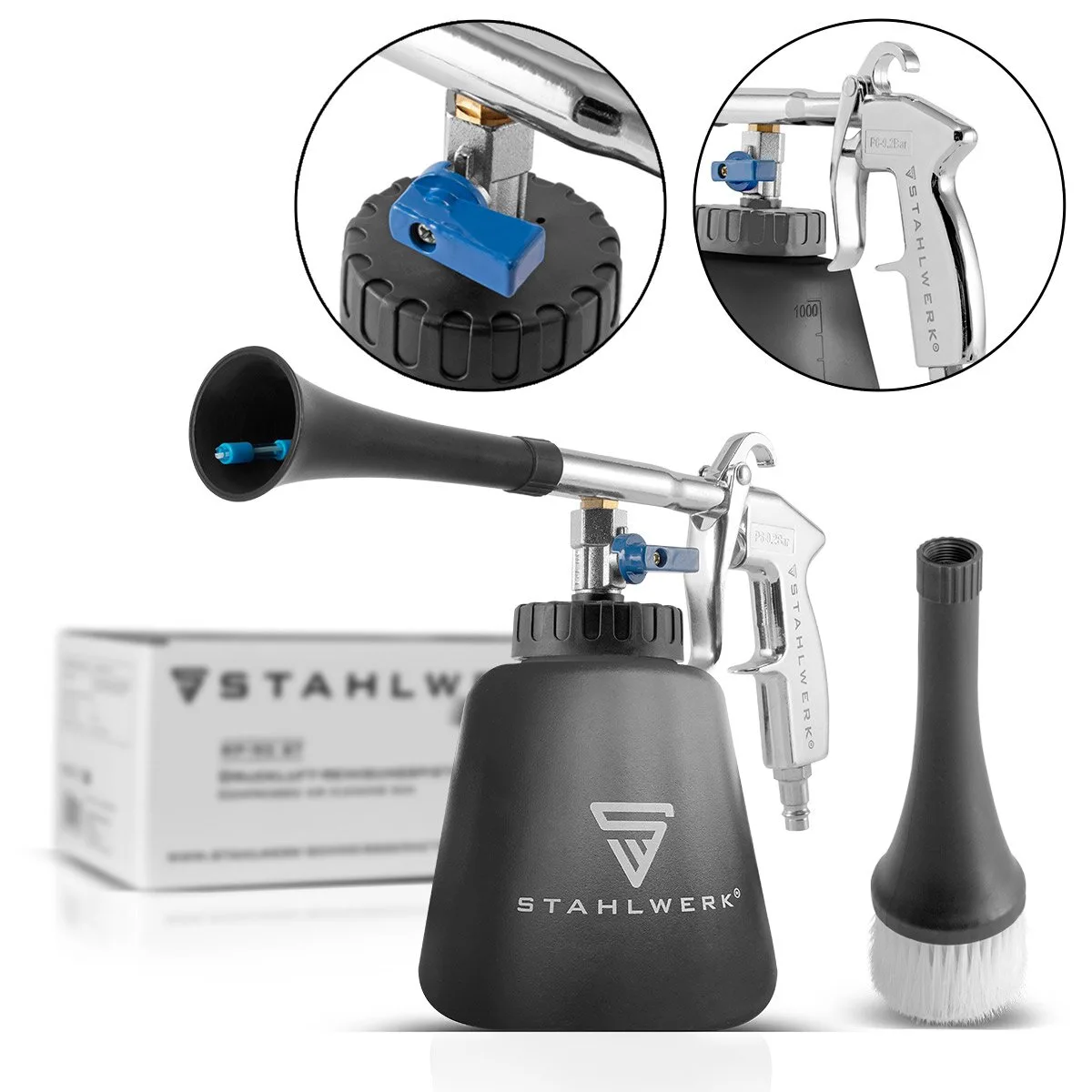
Image source: Web (Bing) / stahlwerk-schweissgeraete.de (Web image (fair-use with source credit))
Most people skip the dry phase and regret it immediately. Wetting gritty dirt without removing it first just creates mud paste. That paste gets pushed deeper into the fabric weave and traps bacteria.
Start with a vacuum cleaner with a brush attachment. Go over the entire seat, canopy, and storage basket.
- The seams: Dirt collects in the stitching lines. Use the narrow crevice tool and run it slowly along every seam.
- The straps: Vacuum the full length of the harness webbing to remove lint and crumbs.
- The Velcro: Use a stiff toothbrush to dig out the hair and lint that clumps between the hooks. This takes a few minutes but makes the Velcro grab properly again.
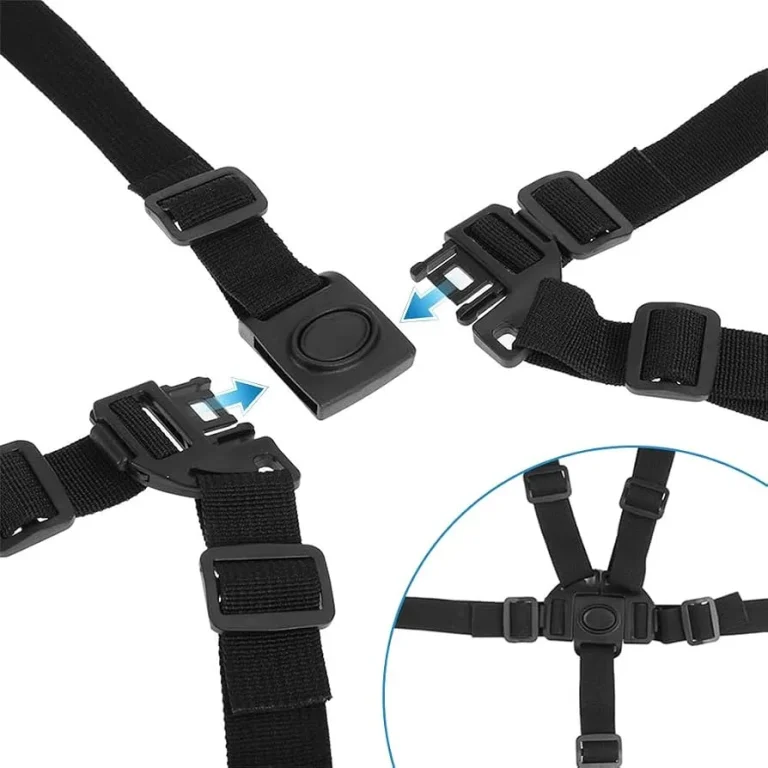
- The buckles: This is where compressed air shines. If you have an air compressor or a can of compressed air designed for electronics, blast the debris out of the harness buckle crevices. This is the "blowout" step that prevents jamming.
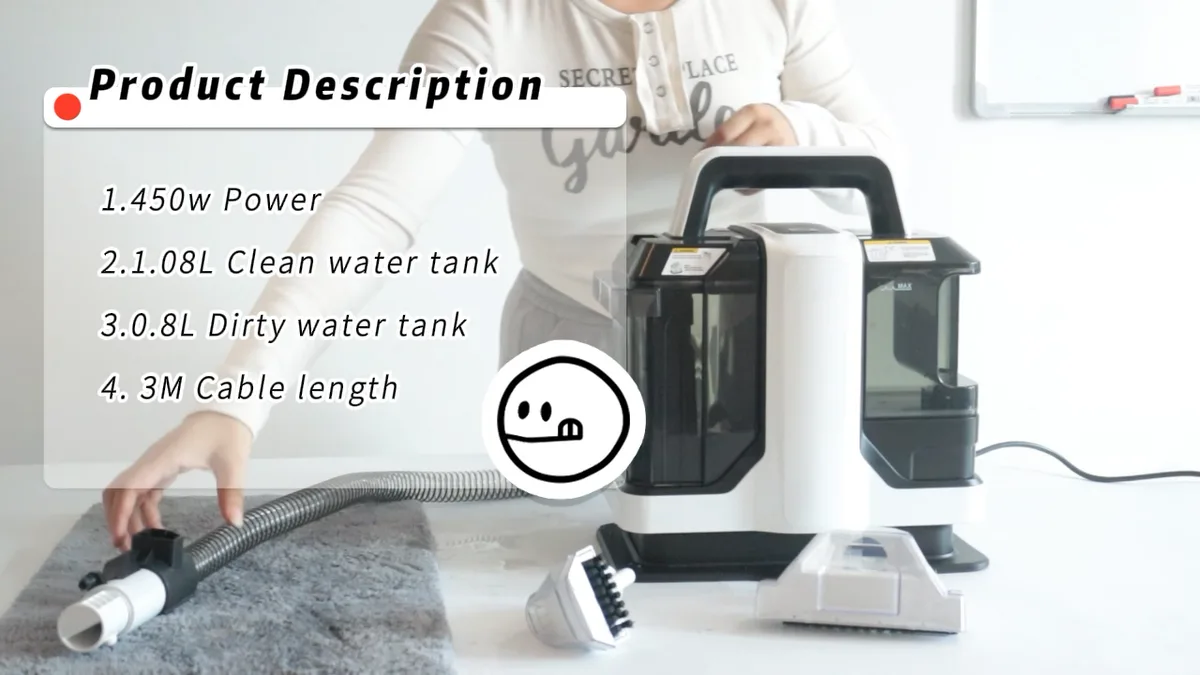
Image source: Web (Bing) / alibaba.com (Web image (fair-use with source credit))
Once the dry debris is gone, grab a soft brush and gently agitate the fabric surface. This loosens the embedded dust that the vacuum suction alone can't pull free. You're not scrubbing stains yet, just prepping the surface.
If you have access to a wet/dry vacuum, this is the moment to test it on an inconspicuous spot. You'll need it later, and knowing it doesn't pull the fabric weave loose is important.
Spend ten minutes on this phase. It seems tedious, but it's the difference between a clean stroller and a surface-clean stroller that smells sour a week later.
Step 2: Spot Treatment — Matching the Cleaner to the Stain
Now comes the actual stain removal. The key difference here is that you cannot remove the fabric and soak it. So you're working with a technique called gravity-assisted extraction.
You apply cleaner, you blot, and you suction the dirty water out before it can sink deeper.
The exact approach depends on what you're dealing with.
Grease and Oils
Grease stains come from sunscreen, lotion, food, and the inevitable snack explosion. Water won't break down grease. You need an absorbent first.
Sprinkle cornstarch or baking soda directly on the stain. Let it sit for 30 minutes. This pulls the oil out of the fabric fibers.
Brush off the powder completely with a soft brush, then proceed with the cold water blotting method.
If the grease has set in, add a drop of gentle dish soap to your cleaning water. The soap breaks the oil's surface tension and allows it to lift away.
Food and Milk (Protein Stains)
Protein stains are the tricky ones. Milk, formula, and yogurt all contain proteins that bond to fabric when heated. That's why the "hot water" rule is non-negotiable.
Use cold water only. Mix a tiny amount of baby-safe detergent into a bowl of cold water. Dip a microfiber cloth into the solution, wring it out completely, and blot the stain.
Keep blotting, rotating the cloth so you're always using a clean area, until the stain transfers off.
Then immediately use the wet/dry vacuum nozzle over the spot. This sucks the soapy water and dissolved protein out of the foam padding. It's the single most important step for preventing the "sour milk" smell that lingers.
Mold and Mildew Spots
Mold spots are a different beast. They usually appear on the canopy or the seat bottom after the stroller has been stored damp. If you see black or green spots, don't scrub them.
That releases mold spores into the air.
Mix a solution of one part white vinegar to three parts cold water. Apply it to the mold spot with a spray bottle. Let it sit for 15 minutes, then blot with a dry cloth and suction with the wet/dry vacuum.
Vinegar kills most surface mold without the harsh chemicals that could harm baby skin. For stubborn cases, a commercial upholstery cleaner designed for pet stains can work, but test it in an inconspicuous area first.
The general rule for any spot treatment is this: if the stain is on the fabric, you blot. You never scrub in circles. That just grinds the dirt deeper into the foam.
After spot treatment, you move to the frame and wheels. That's where the real build-up lives.