Should You Take Baby to Urgent Care for Fever?
Every parent has been there. Your baby feels warm, the thermometer confirms it, and suddenly your mind races through worst-case scenarios. Knowing when to take baby to urgent care for fever isn’t just about temperature numbers, it’s about age, behavior, and a handful of other clues.
The good news is that most fevers in babies are caused by common viral infections and resolve on their own.
According to the American Academy of Pediatrics, roughly 20% of pediatric emergency visits involve fever, but only a small fraction require urgent medical treatment. That’s the tricky part: distinguishing between a harmless immune response and a sign of something serious. Let’s walk through exactly how to make that call, step by step.
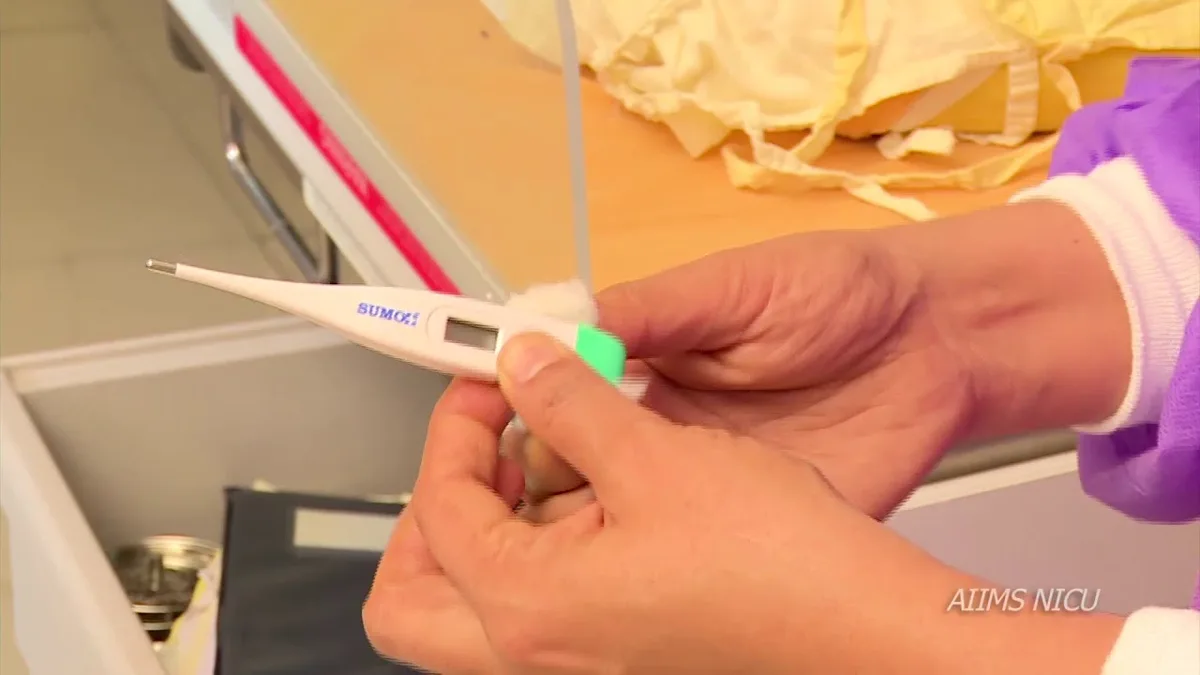
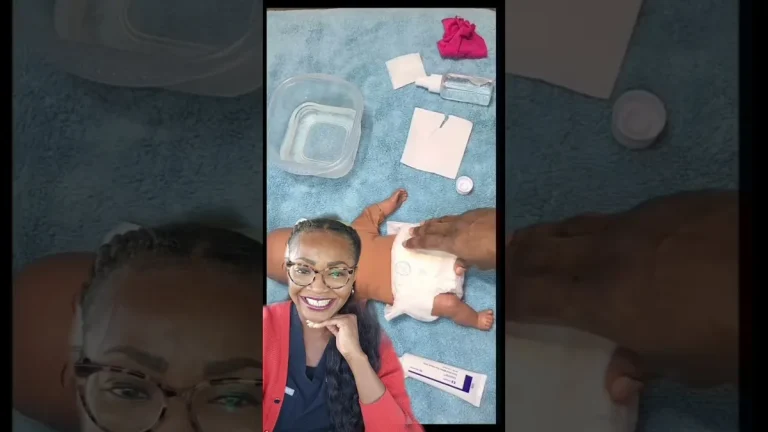
Image source: YouTube / Preterm Baby Package (YouTube thumbnail (fair-use with source credit))
Quick Answer
Take a baby under 3 months with any fever over 100.4°F to the ER immediately. For babies 3 to 12 months, go to urgent care if the fever stays above 102°F for more than 24 hours or if they act unusually sick. Over 12 months, watch their behavior.
If they’re playing and drinking, you can wait.
The Real Problem: Fever Phobia in Parents
Health experts actually have a name for it: fever phobia. It’s that gut‑clenching fear that any rise in temperature means something catastrophic. Studies from the Journal of Pediatrics show that nearly half of parents believe a fever below 104°F can cause brain damage, a myth that’s been debunked decades ago.
Here’s the physiological truth: fever is the body’s natural defense mechanism. It helps white blood cells fight off infection faster. For most healthy babies, a fever isn’t dangerous until it reaches about 107°F, and that almost never happens from ordinary illness.
It’s usually from extreme overheating like a hot car.
The real risk isn’t the fever itself, it’s the underlying infection. A baby with a fever might have a urinary tract infection, an ear infection, or something like roseola. That’s why context matters.
You’re not treating the number; you’re treating the baby attached to that number.
This is where the decision tree approach helps. Instead of panicking at every degree, you evaluate three things: age, temperature, and behavior. Let’s break each one down.
Quick Age-Based Rule of Thumb
The single most important factor is your baby’s age. The younger they are, the less developed their immune system, and the higher the risk of a serious bacterial infection like meningitis or sepsis.
- Newborns (0, 3 months): Any rectal temperature of 100.4°F (38°C) or higher is an automatic emergency. Their immune system can’t localize infection well. You go to the ER, not urgent care, many urgent care clinics won’t even see newborns this young.
- Infants (3, 12 months): This is where you have some room. A fever under 102°F with a happy, hydrated baby can be watched at home. Go to urgent care if the fever lasts more than 24 hours or hits 104°F.
- Toddlers (12+ months): Behavior becomes your best guide. A fever of 103°F in a toddler who’s playing and drinking is less concerning than a 101°F fever in one who’s limp and refusing fluids.
Keep this rule in your mental back pocket: age first, temperature second, behavior third. It simplifies everything.
How to Take Your Baby’s Temperature Accurately (and Why Method Matters)
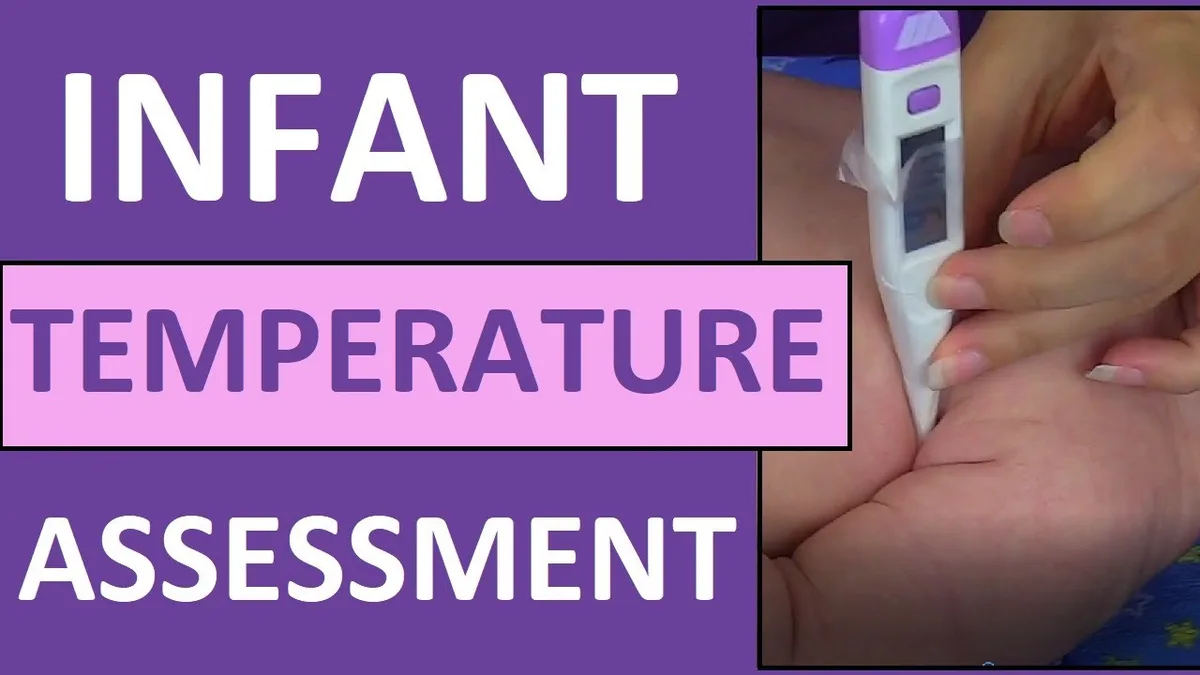
You can’t make a good decision with bad data. And unfortunately, most parents use the wrong method. The American Academy of Pediatrics recommends a rectal thermometer for babies under 12 months as the gold standard.
Ear, forehead, and armpit readings are less reliable in infants and can vary by a full degree.
Here’s the correct process:
- Use a digital rectal thermometer, never mercury or glass. They’re widely available at drugstores for about $10, $15.
- Clean the tip with rubbing alcohol or soap and water.
- Lubricate the tip with petroleum jelly or a water‑based lubricant.
- Position your baby on their back with knees bent, or on their stomach over your lap.
- Insert the tip gently about ½ to 1 inch (1.2, 2.5 cm) into the rectum. Stop if you feel resistance.
- Hold it in place until the thermometer beeps, usually 10, 20 seconds.
- Remove and read the number immediately.
What not to do: Never take a temperature right after a bath, after breastfeeding, or when your baby is bundled up. Those can artificially raise the reading. And never use an armpit reading as your final decision point for a newborn, it’s inaccurate for that age group.
One more thing: clean your thermometer thoroughly after use. Some parents keep a separate thermometer for rectal use and label it clearly to avoid confusion later.
For routine wellness check‑ups, knowing about proper care methods is key. For more structured approaches, you can explore the basics of infant care routines, though always prioritize medical guidance first.
The Decision Tree: Age + Temperature + Behavior
Now let’s put it all together. This decision tree covers the three main age brackets. It’s designed to give you a clear path, not more anxiety.
Under 3 Months: Any Fever = Emergency
If your baby is younger than 3 months (or 8 weeks in some guidelines) and their rectal temperature hits 100.4°F or higher, call your doctor immediately or go to the ER. Do not wait and see. Do not try treating with infant acetaminophen at home first.
Why the urgency? Because newborns can’t mount a strong immune response. A fever might be the only sign of a bacterial infection.
Studies show that up to 10% of febrile newborns under 28 days have a serious bacterial infection. That’s too high to gamble.
At the ER, doctors will run tests: blood cultures, urine analysis, possibly a lumbar puncture to check for meningitis. They may give IV antibiotics while waiting for results. That sounds scary, but it’s precautionary.
Most of those babies turn out fine.
3 to 12 Months: When to Go to Urgent Care vs. Wait
For this age group, you have a bigger decision window. Here’s the branching logic:
- Fever under 102°F, child is alert, playing, eating well, and drinking? Stay home. Offer fluids, dress them in light clothing, and monitor. You can give weight‑based acetaminophen (Tylenol) every 4, 6 hours. Do not use ibuprofen until after 6 months of age.
- Fever over 102°F for less than 24 hours, child still acts okay? Manage at home but keep a close watch. You want at least 4 wet diapers in 24 hours if under 6 months.
- Fever over 102°F for more than 24 hours? Head to an urgent care or pediatrician’s office. Prolonged fever raises suspicion for a UTI, ear infection, or pneumonia.
- Fever 104°F or higher at any duration? Go to urgent care. That high of a temp can indicate a more aggressive infection.
- Fever with vomiting, diarrhea, or acting very fussy? Go to urgent care regardless of temperature. Dehydration risks go up fast.
Urgent care is ideal for this group because they can do quick strep or flu tests, check urine, and prescribe antibiotics if needed, without the ER’s long wait and higher cost.
Over 12 Months: The “Acting Sick” Test
Once your baby passes their first birthday, behavior is your most honest guide. A 12‑month‑old with a 103°F fever who is playing with toys, grabbing snacks, and smiling? You can watch them at home.
But if that same fever is accompanied by these behaviors, go to urgent care:
- Not drinking for 8 hours or showing signs of dehydration (dry mouth, no tears, fewer than 4 wet diapers in 24 hours)
- Lethargic, difficult to wake or unusually limp
- Crying continuously and can’t be soothed
- Refusing to move a limb (could be a sign of a bone or joint infection)
- Fever lasting more than 72 hours
For toddlers, urgent care often works well because they can do strep tests, check ears, and evaluate for pneumonia. You’ll likely get a faster answer than the ER.
Red Flags That Skip the Decision Tree (Go Straight to ER)
Some symptoms override all the rules above. If your baby, at any age, shows any of these, do not go to urgent care. Go straight to an emergency room or call 911.
- Difficulty breathing, nostrils flaring, chest retracting (ribs showing with each breath), grunting sounds
- Blue or purple lips, tongue, or nail beds
- A seizure, even a short one where your baby stops breathing briefly. Call 911.
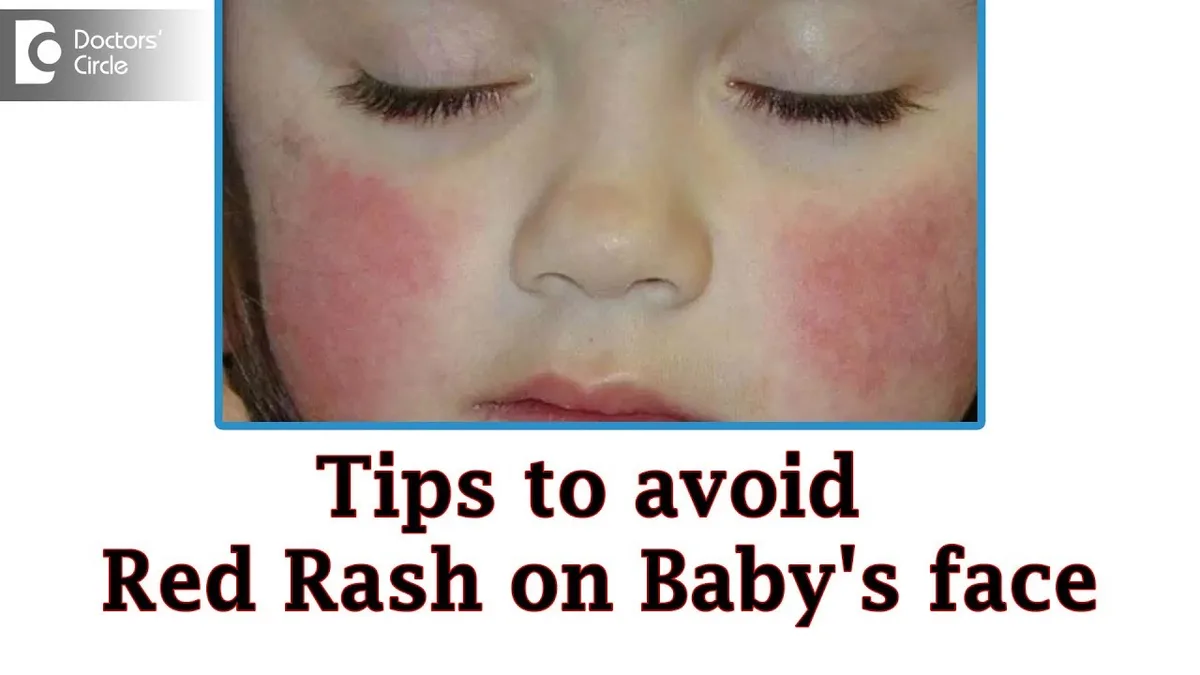
- A rash that looks like tiny purple or red spots that don’t fade when you press on them (possible sepsis or meningitis)
- A stiff neck, your baby can’t touch chin to chest or cries when you try to bend their head forward
- A bulging soft spot (fontanel) on top of the head, this is a medical emergency
- Extreme lethargy, your baby won’t wake up, or is so limp they can’t hold their head up
- Signs of dehydration, no urine in 8 hours, sunken eyes, a dry mouth that sticks to your finger
If you see any of these, get help immediately. Time matters. Every minute counts for conditions like bacterial meningitis or sepsis.
That said, if you’re uncertain about whether a symptom qualifies, for example, you’re not sure if the soft spot feels “bulging”, trust your instincts and don’t wait. It’s always better to over‑react and be wrong than to under‑react and regret it.
For parents caring for a newborn, understanding what specialized hospital staff do can give you context when you eventually need help. And if you ever need tips for handling a fussy baby during the drive to urgent care, there are ways to keep everyone calm.